Preventing HIV – A Quick Review

From Poz.com

HIV was identified as the cause of AIDS in 1983. Since then, we’ve learned a great deal about how the virus can be transmitted and prevented. Today, many tools are available to prevent HIV transmission. Even without a cure or a vaccine, we have the means to end the epidemic in the United States and around the world.

Here are ways to prevent HIV:

Get tested. Approximately 13% of people living with HIV in the United States don’t know they have the virus. Know your status to protect your health—and your partner.

Use condoms. When used correctly and consistently, condoms and lubricant can greatly reduce the risk of HIV and other sexually transmitted infections. Click here for more info on other ways to practice safer sex.

Use pre-exposure prophylaxis (PrEP). PrEP refers to antiretroviral medication used by an HIV-negative person to reduce the risk of contracting HIV. Options include daily pills and injections every other month. Click here for more about PrEP.

Take post-exposure prophylaxis (PEP). PEP involves taking a short course of antiretroviral drugs, usually for a month, after a high-risk exposure. Click here for more about PEP.

Get on HIV treatment. People living with HIV who maintain an undetectable viral load (also known as viral suppression) do not transmit the virus via sex, a concept known as Undetectable Equals Untransmittable, or U=U. Click here for more info about U=U.

Reduce drug-injection risk. If you inject drugs, never share needles, syringes or other “works.” If unused injection equipment is not available, be sure to clean shared needles, syringes and other works with bleach and water. Click here for more info on safer injecting.

Reduce mother-to-child transmission. If you’re pregnant—or are thinking of starting a family—get tested for HIV. If you’re positive, good prenatal care, including the use of HIV meds by the mother, can reduce the risk of passing the virus on to the baby to 2% or less. Click here for more on preventing mother-to-child transmission.

Body image and overall health found important to the sexual health of older gay men, according to new studies

From MedXpress

According to a National Poll on Healthy Aging, 93% of people in the U.S. between 50–80 years old report experiencing at least one form of ageism from other people. Internalized ageism is when a person believes ageist ideas about themselves, such as thinking they had a “senior moment” or thinking they are too old to learn new technology.

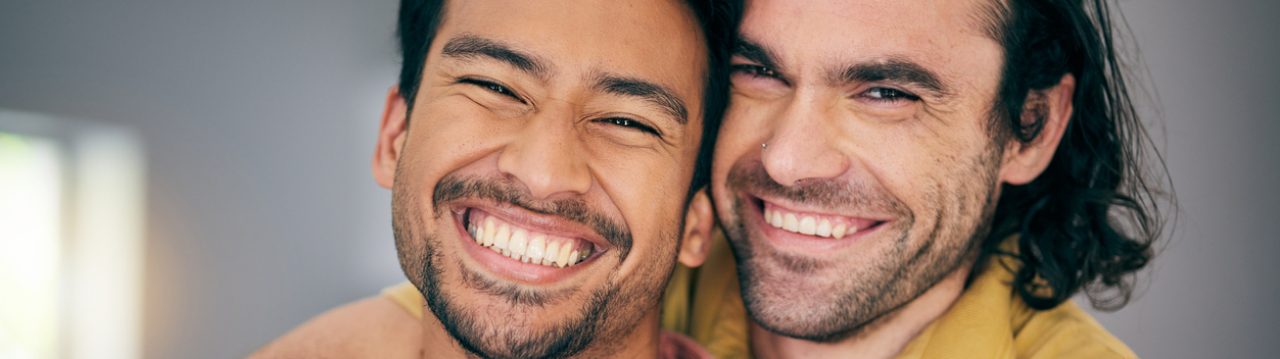
Two gay men being affectionate in a natural setting

Internalizing ageist stereotypes can impact older people’s mental and physical health, including sexual health. Various aspects of older adults’ sexual health have been studied widely; however, studies focusing on older gay men, who often face disproportionate health disparities, are limited.

New research from Lucas R. Prieto, assistant professor in the Department of Social Work at George Mason University’s College of Public Health, found that internalized gay ageism affects some aspects of older gay men’s sexual health, but not all. Internalized gay ageism negatively impacts older gay men’s sexual satisfaction when mediated by body image.

Read the full article on Medicalxpress.

‘Glimmer of hope’ as STI rates slow, syphilis decreases among gay men

From the Advocate online…

Despite the number of sexually transmitted infection (STI) cases remaining high, new data from the CDC found that the epidemic may be slowing down, particularly among gay men.

There were more than 2.4 million reported cases of STIs in 2023, according to the organization’s annual Sexually Transmitted Infections Surveillance. While the number may seem daunting, the rates of infections overall are going down — gonorrhea cases declined 7 percent from 2022, dropping for the second year in a row as well as falling below pre-COVID-19 pandemic levels from 2019.

Primary and secondary syphilis cases also fell 10 percent, which the CDC noted marks “the first substantial decline in more than two decades.” These stages of syphilis, which are the most infectious, also dropped 13 percent among gay and bisexual men for the first time since the CDC began tracking the group in the mid-2000s.

Read the full article.

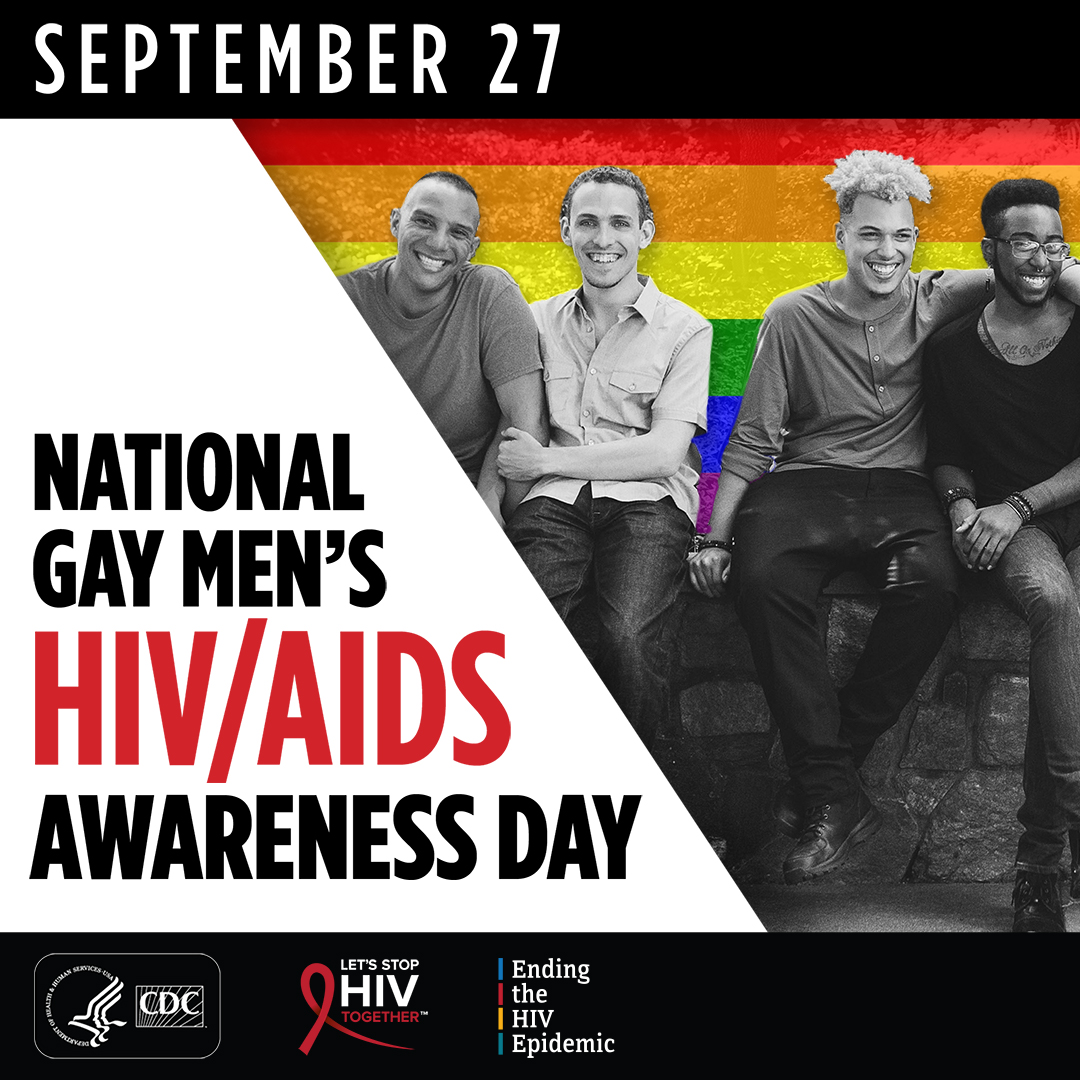
National Gay Men’s HIV/AIDS Awareness Day is Sept 27th

A letter from CDC’s Dr. Robyn Neblett Fanfair and Dr. Jonathan Mermin:

September 27 is National Gay Men’s HIV/AIDS Awareness Day (NGMHAAD), a day when we reaffirm our commitment to ending the disproportionate impact of HIV on gay and bisexual men in the United States.

Recently, encouraging progress shows declines in new infections among gay and bisexual men overall, as well as among many sub-groups most affected by HIV. However, gay and bisexual men continue to be most affected by HIV. Of the 31,800 estimated new HIV infections in the United States in 2022, 67% (21,400) were among this group. In 2022, almost half (47%) of new HIV infections among gay and bisexual men were in the South, and nearly 3/4 (73%) of those were among Black/African American and Hispanic/Latino men.https://www.hiv.gov/blog/cdc-observes-national-gay-mens-hiv-aids-awareness-day Let’s Stop HIV Together is a CDC campaign aimed at reducing HIV nationwied.

The annual number of estimated new HIV infections in 2022 compared to 2018 shows an overall decrease among gay and bisexual men of 10%. Age-specific trends reveal a 31% decrease among all young gay and bisexual men ages 13-24, and by region, a 16% decrease among gay and bisexual men who live in the South. Among Black/African American gay and bisexual men, there was a significant overall decrease of 16%, including a 26% reduction among young Black/African American men aged 13-24. Similarly, among white gay and bisexual men, there was a 20% overall decrease, including a 39% reduction among young white men aged 13-24. Cases among Hispanic/Latino gay and bisexual men remained stable, indicating a need for better understanding of the situation and improved support.

Read the full letter here and find resources for prevention and testing. You can also find HIV resources on on our testing page and our PrEP provider page. 

MISTR, Known for its Free Online PrEP and Long-Term HIV Care, is Now Prescribing DoxyPEP

From yahoo! finance

MISTR, the largest telemedicine provider offering free online PrEP and long-term HIV care in all 50 states, D.C., and Puerto Rico, is now prescribing Doxycycline Post-Exposure Prophylaxis (DoxyPEP), an antibiotic that reduces bacterial STIs, including gonorrhea, chlamydia, and syphilis. Beginning today, patients can now use MISTR’s seamless telehealth platform to receive DoxyPEP online for free.

With this launch, MISTR plans to further solve the issue of access and adherence to PrEP and HIV care, and now offers patients access to post-exposure care, in addition to their existing preventive and long-term HIV treatment options, which include PrEP and antiretroviral therapy (ART). This comes at a time when the rate of STIs continue to rise – in 2022, more than 2.5 million cases of syphilis, gonorrhea, and chlamydia were reported in the U.S.; of that population, gay and bisexual men are disproportionately affected.

“Despite an ongoing STI epidemic affecting the LGBTQ+ community, there are few resources available for this underserved, vulnerable community to get the preventative medication they need,” said Tristan Schukraft, CEO and Founder of MISTR. “I’m proud that MISTR is democratizing access to PrEP, HIV Care, and now DoxyPEP.”

Read the full article.

Gay gym culture has a deadly downside

From Out online

By Alexander Cheves

Depression is weird. Sometimes, you have to sweat it out. The reps, weights, and endorphins of gym life pushed me through bad months. Some years ago, a meme went around of a cartoon man flexing his arms in a mirror with a thought bubble over his head: “Yep, still dead inside!” At the time, I thought, Yep, that’s me.

I don’t think all gym gays are like me, but a lot of us are fighting shame, body dysmorphia, or just the fact that we grew up disconnected from others. In The Velvet Rage, the clinical psychologist Alan Downs posits that gay bodybuilding can be an attempt to ward off feelings of inadequacy in a culture that marginalizes us. Today, a growing percentage of us take steroids and other supplements — I do. According to multiple reports in the U.S. and Europe, anabolic steroid use is increasing in men across the world, as are rates of body dysmorphic disorder.

muscular man doing pull-ups.

I can’t speak for all gay and queer men, but the ones I know best struggle. Today, with boutique fitness and luxury chains, gay gym life is a lucrative industry. Brands like John Reed and Equinox all but advertise themselves as queer havens — if you can afford them. In the early aughts, David Barton proved that selling fitness and sex together was a lucrative formula, especially in American cities where young horny people had cash to burn.

Read the full article on Out.com.

Government steps in to stop ongoing syphilis spike

M4M has been reporting on the constant uptick in syphilis cases in the U.S., especially amont gay and bi men. There are a lot of reasons why, but the bottom line is that, if you’re sexually active, you need to get tested–even if you don’t have symptoms. If you need to find a place to get tested, go to https://gettested.cdc.gov/ and search by zip code. Most places are free.

decorative image

From HIV Plus Magazine online (originally from CNN)…

More than 2.5 million cases of chlamydia, gonorrhea, and syphilis were reported in the United States in 2022 as the country’s epidemic of sexually transmitted infections continues to grow.

Chlamydia accounted for about two-thirds of the STIs that were reported in 2022, according to an annual report published Tuesday by the US Centers for Disease Control and Prevention. But while chlamydia cases held steady and reported cases of gonorrhea decreased in 2022, syphilis cases continued to climb to the highest level in decades, with a 17% percent jump in one year.

“Within the STI epidemic, syphilis is one infection that stands alone,” Dr. Laura Bachmann, acting director of the CDC’s Division of STD Prevention, said in a statement. “It has emerged as a unique public health challenge.”

Read the full article on HIVplusMag.com.

The Impact of Trauma on Gay Men’s Mental Health

From Psychology Today

Depression and anxiety are 1.5 times higher in LGBTQ+ individuals than in heterosexual individuals. Further, there is a higher likelihood of mood and anxiety disorders among LGB people compared to heterosexual individuals. Research also shows LGBTQ+ individuals have rates of substance abuse two to three times higher than the general population in the United States.

Yet an important distinction to make is that most or all of the “disorders” researchers found among LGBTQ+ people can be, and often are, connected to trauma. We cannot fully address gay men’s mental health without exploring trauma.

When we think of trauma, most of us think of rape, murder, death, a catastrophic event, or a natural disaster. While these are unequivocally traumas, trauma can also be experienced as a long string of daily hurts, such as experiencing homophobia, bullying, and time spent in the closet. Any child who has experienced the closet has known shame, which is itself deeply intertwined with trauma.

Read the full article by Chris Tompkins

10 Fun, Creative or Kinky Male-Male Sex Positions

From askmen.com

If you’re single, how do you prevent awkward and boring sex from ruining chemistry with that really cute guy from Grindr?

If you’re in a longterm relationship, how do you keep the sex fun and exciting with each anniversary? Even the most seasoned casanovas need to know their fair share of sex positions to keep things interesting between the sheets, which is why we’ve put together this handy (and illustrated) guide to the best gay ones.

Two men in bed, in love

Ever heard of “suspended congress?” Outside of our the current dysfunctional House of Representatives, neither have we. Find out more on askmen.com.

U.S. health officials to endorse common antibiotic as ‘morning-after pill’ to combat STIs

From PBS.org

U.S. health officials plan to endorse a common antibiotic as a morning-after pill that gay and bisexual men can use to try to avoid some increasingly common sexually transmitted diseases.

two men in bed holding hands

The proposed CDC guideline was released Monday, and officials will move to finalize it after a 45-day public comment period. With STD rates rising to record levels, “more tools are desperately needed,” said Dr. Jonathan Mermin of the Centers for Disease Control and Prevention.

The proposal comes after studies found some people who took the antibiotic doxycycline within three days of unprotected sex were far less likely to get chlamydia, syphilis or gonorrhea compared with people who did not take the pills after sex.

Read the full article on PBS.org.

After-sex pill could reduce STIs

From CNN.com and HIVplusmagazine.com

As rates of sexually transmitted infections continue to skyrocket across the United States, a growing number of physicians are prescribing a commonly used antibiotic as a way to prevent chlamydia, gonorrhea and syphilis infections in gay and bisexual men and transgender women.

Doxycycline is a class of medications traditionally used to treat bacterial STIs after someone has been infected. Yet recent research suggests that one 200mg dose of the drug can be effective in preventing such infections among men who have sex with men if taken within 72 hours after unprotected sex.

This approach, called doxyPEP, has garnered so much attention that the US Centers for Disease Control and Prevention is expected to post draft guidance for public comment in the next several weeks on how health care workers may deploy the preventative treatment, such as how many pills should go into a prescription or which people could benefit most from the drug.

Go to HIVplusmagazine.com for the full article.

Black Gay Men and Trans Women Are Well Protected by Injectable PrEP

From POZ.com

Long-acting injectable cabotegravir (Apretude) offered greater protection than daily pre-exposure prophylaxis (PrEP) pills for Black gay and bisexual cisgender men and transgender women, but Black people still had higher HIV incidence rates compared with their white peers regardless of which type of PrEP they used, researchers reported at the 30th Conference on Retroviruses and Opportunistic Infections (CROI).

Adherence was higher with the every-other-month injections than with daily pills in both groups, suggesting long-acting PrEP could help close the racial gap in HIV rates. “[Apretude] is a powerful HIV prevention tool to increase access to PrEP and address continued racial disparities in HIV incidence in the United States,” Hyman Scott, MD, MPH, of the San Francisco Department of Public Health, and colleagues concluded.

Although African Americans make up about 13% of the U.S. population, they account for more than 40% of all new HIV diagnoses, so effective and acceptable prevention interventions are urgently needed. While white gay and bi men have readily adopted oral PrEP using tenofovir disoproxil fumarate/emtricitabine (Truvada and TDF/FTC generic equivalents) or tenofovir alafenamide/emtricitabine (Descovy), uptake has been lower among Black men.

Read the full article on POZ.

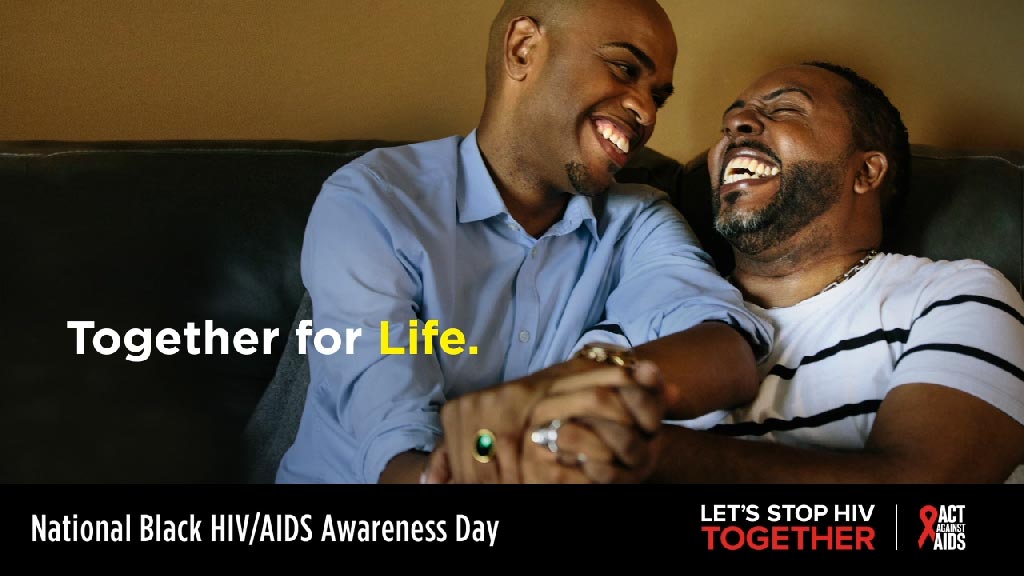
February 7th is National Black HIV/AIDS Awareness Day

February 7th is National Black HIV/AIDS Awareness Day. CDC data shows that Black/African American are at a higher risk for HIV infection as compared to other races and ethnicities. Why? Because these communities are impacted by demographic factors such as discrimination, stigma, and institutionalized health disparities—all of which affect their risk for HIV.

If you reside in Pennsylvania, you can get a free HIV self-test kit delivered through the mail. Go to www.getmyHIVtest.com to order your kit today.

If you live outside of PA, you can go to the CDC’s testing locator website at https://gettested.cdc.gov/.

Knowing your status will protect you and your partner’s health.

U = U reminder: If you’re HIV undetectable, you can’t pass on the virus

From thebody.com…

Three recent studies — HPTN 052PARTNER and Opposites Attract — followed male couples and heterosexual couples in which one partner was HIV-positive and the other HIV-negative. During these studies, not one HIV-positive person who was taking antiretroviral medicines and was virally suppressed passed HIV to their negative partner. In the PARTNER and Opposites Attract studies, male couples had anal sex without condoms more than 34,000 times and heterosexual couples had vaginal or anal sex without condoms more than 36,000 times without a virally suppressed partner ever passing HIV to the negative partner. This is strong evidence that people do not sexually transmit HIV if they have an undetectable viral load.

To find testing and other HIV services near you, you can go to https://locator.hiv.gov/map/. If you want to recieve a free HIV in-home test kit through the mail, go to our website www.getmyHIVtest.com.

Research shows HIV still a prime concern for gay and bi men

From Infectious Disease Special Addition online…

“HIV continues to disproportionately affect gay and bisexual men, even though new HIV infections declined among this population during the last decade,” said Stephen M. Perez, PhD, a nurse epidemiologist in the CDC‘s Division of HIV Prevention and lead author of the MMWR article. 

“Also, progress in reducing new HIV infections among gay and bisexual men has not been equal—with factors like stigma, racism, discrimination, homophobia and others contributing to an unequal reach of HIV prevention and treatment and continued disparities.”

During 2018-2019, the CDC identified a number of concerning HIV clusters among MSM. By December 2021, 38 clusters that had been initially identified during 2018-2019 grew to include more than 25 people.

“The presence of a cluster suggests that HIV prevention and treatment have failed to reach a particular community, and that HIV is transmitting rapidly within that community,” Dr. Perez told Infectious Disease Special Edition

Read the full article.

Health Alert: Doctors Haven’t Seen So Many Cases of This STD in 72 Years

From hivplusmag.com

Syphilis, a bacterial disease that shows up as genital sores and can lead to other diseases and even death, showed a huge increase last year. The rate of syphilis cases reached its highest level since 1991, while the total number of cases rose to its highest level since 1948, just three years after World War II. HIV cases also rose 16 percent from 2020 to 2021.

Syphilis bottomed out in the U.S. in the late 1990s, with the CDC hoping to fully eradicate the disease. Only years later, syphilis rates would start rising; by 2021, more than 52,000 cases were reported.

Many factors could be at play, but officials believe the COVID pandemic is mostly at fault. Testing and treatment took a backseat during the worst days of the crisis in 2020, while many people now feel sexually unshackled with COVID vaccines available, lockdowns over, and mask mandates lifted. Some health officials are calling for public messaging about condoms. Monkeypox, which exploded this year and last, is also complicating efforts and eating up health funding from the government.

Read the full article.

PA Dept of Health: What You Need to Know About Monkeypox

From the PA Department of Health

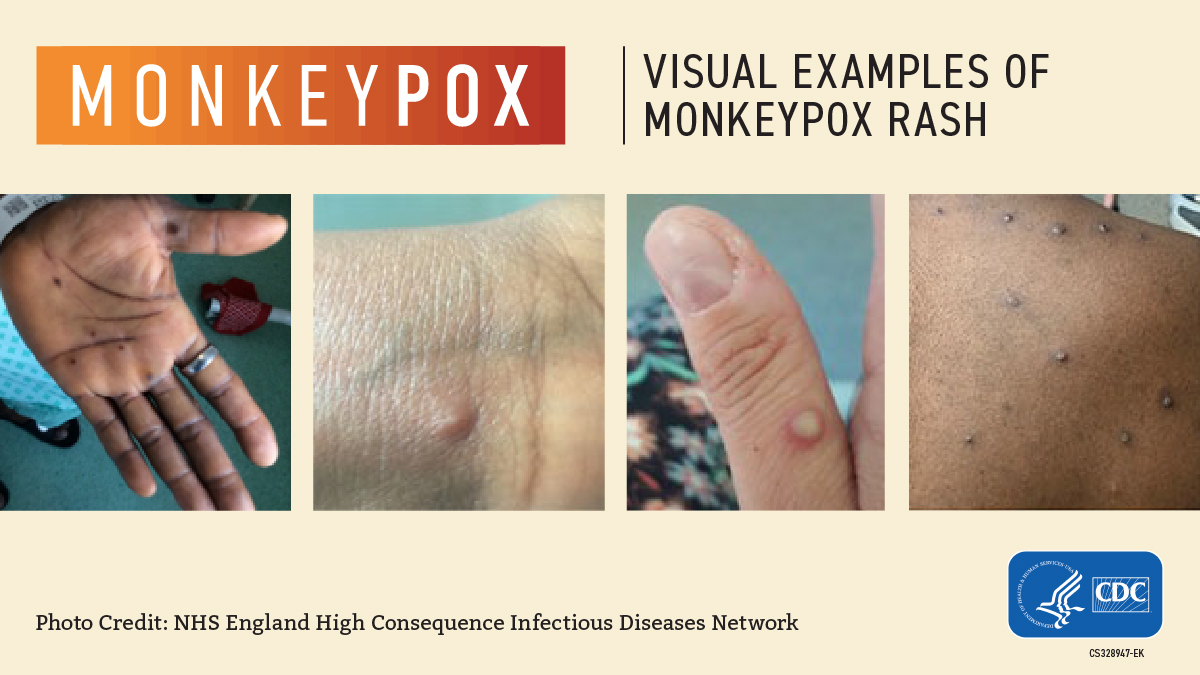
Monkeypox is not a sexually transmitted disease and does not spread easilyOpens In A New Window between people. However, anyone who has extremely close personal contact — mostly skin-to-skin — including direct contact with monkeypox rash, scabs, or body fluid from a person with monkeypox, can get it and should take steps to protect themselvesOpens In A New Window.  

Take the following steps to prevent getting monkeypox: 

  • Avoid close, skin-to-skin contact with people who have a rash that looks like pimples or blisters. 
  • Do not touch the rash or scabs of a person with monkeypox. 
  • Do not kiss, hug, cuddle or have sex with someone with monkeypox. 
  • Do not handle or touch the unwashed bedding, towels, or clothing of a person with monkeypox. 
  • Wash your hands often with soap and water or use an alcohol-based hand sanitizer, especially before eating or touching your face and after you use the bathroom. 
  • Do not share eating utensils or cups with a person with monkeypox. 
  • If you have symptoms or test positive, isolate yourself until the rash heals to avoid transmitting monkeypox to others.

If you think you have developed monkeypox (if you have symptoms), please talk to your healthcare provider or contact 877-PA-HEALTH. Providers can help ensure you are tested if appropriate, and if necessary, receive treatment for monkeypox. If you test positive you will need to isolate (avoid contact with others) until the rash heals. 

If you have been exposed to someone who has monkeypox, you may need to receive the vaccine, although not everyone will need a monkeypox vaccine.

Read the full article.

For more information on monkeypox, the Pennsylvania Department of Health also provides a monkeypox FAQ sheet.

PA program provides free HIV self-test kits through the mail

According to a 2020 CDC report, out of more than 30,000 new cases of HIV infection in the United States, Black and Latinx populations (mostly gay and bi men) account for two-thirds (20,000) of the newly aquired cases. The reason, health experts explain, is due to institutionalized health disparities. For example, Black and Latinx people face higher levels of discrimination when seeking health care.

To help address the issue, the HIV Prevention and Care Project at the University of Pittsburgh, in partnership with the Pennsylvania Expanded HIV Testing Initiative at Penn State University created a state-wide program that allows residents of Pennsylvania to obtain a free HIV self-test kit through the mail.

Knowing your HIV status is the first step in preventing the spread of the virus. People who test positive can obtain treatment that keeps the virus in check, and therefore makes it next to impossible to spread to others.

To obtain a free HIV self-test kit, go to www.getmyHIVtest.com. Taking care of your health is part of taking care of your community. Test kits are available to anyone who resides in Pennsylvania.

To find out more about the free HIV test kit program, and find other HIV/STI testing resources (if you live outside PA), you can go to the HIV Prevention and Care Project Website at https://hivpreventionandcareproject.com/resources/.

As monkeypox spreads, know the difference between warning and stigmatizing people

From NPR

The global monkeypox outbreak appears to mostly affect men who have sex with other men. A study published in the New England Journal of Medicine found that 98% of people diagnosed with the virus between April and June in more than a dozen countries identify as gay or bisexual men, and the WHO says that 99% of U.S. cases are related to male-to-male sexual contact.

That means that the public health systems can target their messaging and interventions to the specific communities most at risk. But it also carries the risk of stigmatizing those populations, while sowing complacency in others that could still be vulnerable.

Public health experts stress that monkeypox is relevant to everyone, since it can spread through skin-to-skin contact and potentially contaminated objects like clothing or towels. And viruses can infect anyone. The U.S. has already documented two cases of monkeypox in children, for example. “While we may be seeing clusters primarily in certain groups of people, viruses do not discriminate by race, by religion, or by sexual orientation,” infectious disease researcher Dr. Boghuma Titanji told NPR.

Read the full article on NPR.