Preventing HIV with medicine can carry a stigma

From GPB News

In order to slow the spread of HIV, certain people who do not have the virus but are at risk should take medicine to prevent becoming infected. That’s the recommendation of the Centers for Disease Control and Prevention and, just recently, the World Health Organization. The preventive treatment is known as PrEP, for pre-exposure prophylaxis.

Eric McCulley made the decision to start PrEP. He’s 40, gay and HIV-negative. Outside an Atlanta coffee shop, he pulls out a plastic baggy with a few blue pills. “They’re a decent size, actually,” he says. “Some people might call them a horse pill.” The pill is called Truvada, a combination of two drugs used to treat HIV. Despite McCulley’s negative HIV status, he’s taken the pill daily for the past few months.

After hearing about the treatment and doing extensive research on his own, McCulley made an appointment with his primary care doctor earlier this year. “He was very supportive about it. He encouraged me to do it,” he says. “He gave me a lot of stuff to read, gave me a lot of stuff to think about, and told me I was a good candidate for it. So off we went.”

So far, McCulley says, the only change the drug has made in his life is in his attitude. “I have what I was looking for. I have peace of mind. I feel like I’ve taken responsibility for my health,” he says.

But some PrEP users worry that not everybody in the medical community is up to speed. Although Truvada has been on the market for a decade, only recently have prescribing guidelines been available. Dylan West is a 25-year-old Atlanta resident and works in international aid. He is also gay and recently found out firsthand that not every doctor is as familiar with PrEP as McCulley’s is.

Continue reading


HIV + patients more likely to be untreated for early-stage cancer

From Oncology Nurse Advisor

Life expectancy for HIV-infected people is now similar to uninfected people, but survival for infected patients who develop cancer is not. Many studies have attempted to understand why HIV-infected cancer patients have worse outcomes; however, this new study, the largest of its size and scope, examined differences in cancer treatment as one potential explanation. It was conducted by researchers in Penn Medicine’s Abramson Cancer Center in Philadelphia, Pennsylvania, and the National Cancer Institute (NCI), and published in the Journal of Clinical Oncology (2014; doi:10.1200/JCO.2013.54.8644).

For early stage cancers that have the highest chance of cure with appropriate treatment, those with HIV were twice to four times as likely to not receive appropriate cancer treatment, the researchers found. HIV-infected people with lymphoma, lung cancer, prostate cancer, and colorectal cancer were almost twice as likely to be untreated for cancer, even after considering differences in age, gender, race, and stage.

Continue reading.

Only 1 in 5 doctors offers routine HIV screening for patients

From Edge on the Net

A new Centers for Disease Control and Prevention analysis shows that while most primary care physicians offer regular, routine HIV testing to gay and bisexual men, only 1 in 5 provides routine screening for all patients.

“Testing remains an important HIV prevention tool. It is the first step toward ensuring that those living with HIV get the treatment and care they need to protect their health and reduce their likelihood of transmission. Yet the majority of Americans have never been tested, and nearly 1 in 6 people who are HIV-infected do not know it,” writes the CDC in their analysis.

The CDC recommends that everyone be tested at least once — and for gay men, at least once a year — to ensure those living with HIV get the care and treatment they need to protect their health and reduce the likelihood of transmission.

Young people with HIV respond well to human papillomavirus vaccine

aidsmap.com reports…

The quadrivalent human papillomavirus (HPV) vaccine worked as well for teens and young adults with HIV as it did for their HIV-negative counterparts, according to study findings presented the 20th International AIDS Conference last week in Melbourne.

Human papillomavirus is a common sexually transmitted infection that causes abnormal cell growth. High-risk strains, including type 16 and 18, can cause cervical and anal cancer. People typically become infected with HPV shortly after they become sexually active, regardless of HIV status. But HIV-positive people tend to harbour more HPV types, are less likely to spontaneously clear HPV and may experience faster disease progression from dysplasia (abnormal cell changes) to cancer.

Continue reading on aidsmap.com

Stigma still a factor in fighting HIV

From the Huffington Post

The International Lesbian, Gay, Bisexual, Trans and Intersex Association reminds us that 12 U.S. states with some of the highest HIV incidence rates in the country still have not repealed their anti-sodomy laws, including Alabama, Florida, Louisiana, Mississippi, North and South Carolina, Utah, Kansas, Texas, Oklahoma, Michigan and Idaho. That’s despite a 2003 ruling by the U.S. Supreme Court declaring such laws unconstitutional.

Homophobia, racism, sexism, ageism, stigma and violence clearly contribute to the spread of HIV around the globe. Why get tested for HIV if you will be harmed because of your status? Why link to healthcare that may give you inadequate care or cause you harm? Why stay in care in a place that is hostile? How can you possibly remain 90 percent adherent to HIV meds if you have no place to live or store your medications, or a safe and confidential pharmacy to get them from? Why indeed. The HIV epidemic, no matter how close it comes to becoming a medicalized, chronic and manageable illness through the intervention of science will never come to an end unless these parallel social diseases are also defeated.

Read the full article on the Huffington Post.

Rates of HIV infection still going up in U.S. among young gay males

From philly.com

A new report offers good and bad news about the AIDS epidemic in the United States: The annual diagnosis rate of HIV, the virus that causes the disease, has dropped by one-third in the general population but has climbed among young gay and bisexual males.

Significantly fewer heterosexuals, drug users and women were diagnosed each year with HIV, according to the report from the U.S. Centers for Disease Control and Prevention. However, the annual diagnosis rate more than doubled for young gay and bisexual males.

The push for safer sex may be falling on deaf ears in a generation too young to have seen the ravages of AIDS, said report co-author Amy Lansky, deputy director for surveillance, epidemiology and laboratory sciences at the CDC’s Division of HIV/AIDS Prevention.

“It’s been more than 30 years since the first cases were reported,” she said. “It’s harder to maintain that sense of urgency.”

The report only looked at people diagnosed with HIV, and health officials think many more are infected with the virus but don’t know it. The statistics also don’t say anything about when these people were infected, making it hard to pinpoint trends in efforts to prevent transmission of the virus.

Still, “we’re making significant progress and seeing declines overall,” said Lansky. However, she added, the rising numbers of diagnoses among young men who have sex with other men are “a considerable problem.”

The AIDS epidemic began more than 30 years ago. While the last two decades have brought great advances in drugs that prevent AIDS from developing in HIV-positive people, an estimated 1.1 million people are still living with HIV in the United States, Lansky said. Officials believe about 16 percent of those people — or about 176,000 — don’t know they’re infected, she said.

In the new report, published in the July 23/30 issue of the Journal of the American Medical Association, researchers examined HIV diagnoses in the United States from 2002 to 2011 in people aged 13 and older.

Although almost 500,000 people were diagnosed with HIV during that time, the annual rate of diagnoses fell from 24 out of every 100,000 people to 16 — a decline of 33 percent.

Continue reading.

WHO recommends PrEP for gay and bi men at risk for HIV

From the Bay Area Reporter online

Gay and bisexual men who are at risk for HIV infection should consider using antiretroviral drugs for pre-exposure prophylaxis, better known as PrEP, according to new guidelines from the World Health Organization.

The WHO recommendation is similar to U.S. Centers for Disease Control and Prevention guidelines released in May, which state that health care providers should consider advising people at “substantial risk” to use PrEP to prevent HIV infection.

“With the WHO’s recommendation, two of the world’s most important public health institutions have recommended that gay and bisexual men who could become infected by HIV carefully consider PrEP,” said Project Inform Executive Director Dana Van Gorder. “In Project Inform’s view, this would especially include men and transgender women who ever bottom without condoms.”

Noting that HIV infection rates among gay and bi men remain high almost everywhere and new prevention options are urgently needed, WHO strongly recommended that men who have sex with men consider taking antiretroviral drugs as an additional method of protection along with condoms.

Continue reading here.

Newer, safer antiretrovirals an option for majority of HIV patients

From aidsmap.com

The majority of patients taking antiretroviral therapy (ART) that includes drugs associated with long-term side-effects may have the option of switching to a novel regimen that uses newer and safer anti-HIV drugs, according to Australian research published in PLOS One. The single-site study showed that up to 89% of patients had the option of changing to a combination that includes three active newer agents with improved safety and side-effect profiles.

The drugs associated with long-term side-effects evaluated in this study comprise the core antiretroviral drugs prescribed to the majority of people taking antiretroviral treatment today. But the authors acknowledge “most of the regimens considered as ‘viable’ in this study have not been rigorously tested in clinical trials and might be regarded as unconventional.” Nevertheless, they stress “the growing interest in testing novel combinations of ART agents, which exclude nucleoside(tide) and older non-nucleoside reverser transcriptase inhibitors (N(t)RTIs and NNRTIs, respectively), as well as ritonavir (booster dose).” Most patients taking HIV therapy have an excellent life expectancy. However, there is concern about the safety and tolerability of many routinely used anti-HIV drugs.

Investigators at St Vincent’s Hospital, Sydney, Australia, called these the “RATE” drugs: ritonavir (Norvir), which is associated with drug interactions, diarrhoea and lipid disturbances; abacavir (Ziagen), which can involve a hypersensitivity reaction, has reduced potency at higher viral loads and may involve a risk of cardiovascular disease; tenofovir (Viread), which can cause bone and kidney problems; and efavirenz (Sustiva), associated with neuropsychiatric side-effects and increased lipids. Moreover, these drugs are usually used in combination, compounding their toxicity profiles.

Continue reading here.

Smoking and HIV – One man’s story


Smoking is especially dangerous for people who are living with HIV, the virus that can cause AIDS. Brian learned that lesson the hard way, when he had a stroke—a brain attack—at age 43. In this video, Brian talks about surviving HIV-related medical problems—then nearly losing his life because of smoking.  See All Brian’s videos.

And from LOGO online…

Smoking now leads to more deaths in the LGBT community than HIV according to the Centers for Disease Control, which also reports that while 20.5% of heterosexuals smoke, 30.8% of  gay people use tobacco products. “We know that approximately one million LGBT people [in the U.S.] will die early from tobacco-related causes,” says Dr. Scout from the Network for LGBT Health Equity. “We want to save those lives instead.”

I you’re HIV-positive and smoke, the combination can take even more years off your life: According to the Network for LGBT Health Equity, being HIV-positive takes an average of 5.1 years off one’s life, but people who smoke and have HIV die 12.3 years earlier on average. Yet the smoking rate is two to three times higher among adults who are HIV-positive than in the general public.


AIDSVu shows the level of infections in your area

map2

Click on the image to view the interactive map

AIDSVu is an interactive online map illustrating the prevalence of HIV in the United States. The national, state and local map views on AIDSVu allow users to visually explore the HIV epidemic alongside critical resources such as HIV testing center locations, HIV treatment center locations, and NIH-Funded HIV Prevention & Vaccine Trials Sites. The map also lets users filter HIV prevalence data by race/ethnicity, sex and age, and see how HIV prevalence is related to various social determinants of health, such as educational attainment and poverty.

The state- and county-level data on AIDSVu come from the U.S. Centers for Disease Control and Prevention’s (CDC) national HIV surveillance database, which is comprised of HIV surveillance reports from state and local health departments. ZIP code and census tract data come directly from state, county and city health departments, depending on which entity is responsible for HIV surveillance in a particular geographic area. AIDSVu is updated on an ongoing basis with HIV surveillance data released by CDC, as well as with new data and information from other sources as they become available.

HIV drug may boost suicide risk

From philly.com

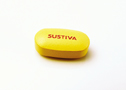
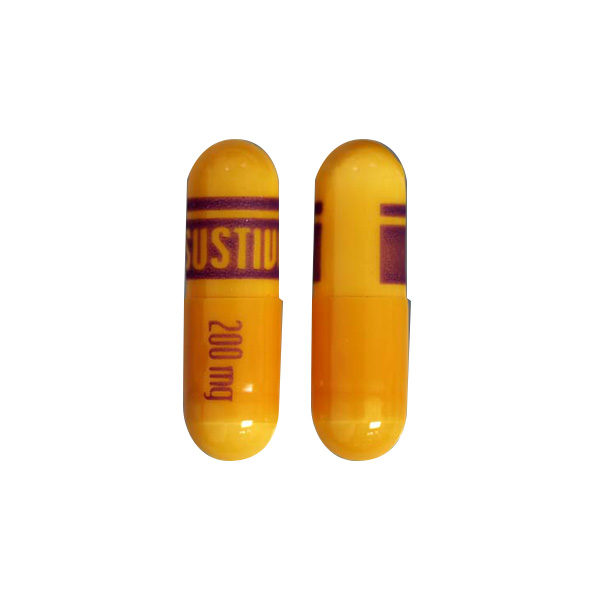
sustiva 3A medication commonly used to treat HIV appears to double the risk that patients will develop suicidal thoughts or take their lives, new research contends. The finding concerns the anti-HIV drug efavirenz, which is marketed as Sustiva. Prior investigations indicated that efavirenz might boost suicide risk because of a negative impact on the central nervous system. The new investigation is the first to pinpoint a link to suicidal thoughts, attempts and completion, the researchers said.

“Efavirenz is a very important and effective antiretroviral medication that is the foundation for much of HIV therapy worldwide,” said study co-author Dr. Joseph Eron, of the University of North Carolina Center for AIDS Research at Chapel Hill. “Our study demonstrated a clear association between efavirenz and suicidality,” he said.

Although that risk seems very small, he said, it appears to be persistent, lasting as long as patients take the drug.sustiva 2 Antiretroviral treatment typically is lifelong, helping people with the AIDS-causing virus live healthier lives. “Clinicians should be aware of this ongoing risk, and talk to their patients to assess suicidality,” Eron added. That means looking for any history of depression or suicidal thoughts or attempts, the study noted.

Continue reading on philly.com.


GLMA concerned about LGBT health implications of Supreme Court ruling

In response to the US Supreme Court ruling allowing closely held corporations to deny insurance coverage of contraceptives to their employees based on religious beliefs, GLMA executive director Hector Vargas issued the following statement:

“We are disappointed at today’s troubling ruling. This decision opens the door to employers interfering with the healthcare decisions that should be between the employee and their healthcare provider. We are very worried about the potential implications this decision could have on LGBT-related healthcare, such as HIV and transgender-related care.

“Earlier this year, GLMA joined Lambda Legal and Pride at Work in submitting a friend-of-the-court brief to the Supreme Court because we know all too well how allowing personal beliefs to interfere with healthcare services can result in biased care or departure from scientifically sound standards of care, and can have disastrous effects for LGBT patients.

“The Affordable Care Act (ACA), which includes the contraceptive coverage provision at issue in this case, is incredibly beneficial to the health and well-being of the LGBT community, including important non-discrimination provisions covering LGBT people. A decision, like the one today, chipping away at benefits provided by the ACA is extremely concerning.

“The attempts by the majority decision to limit the effect of its ruling are of little comfort to LGBT people and make GLMA’s educational and policy work to expand access to healthcare for LGBT people, including ensuring non-discrimination in healthcare, all the more critical.”


Study shows promise for those struggling with mental health and HIV treatment adherence

From thebody.com

A clinical review published in the peer-reviewed journal LGBT Health in early June by Jaclyn M. White, M.P.H., Janna R. Gordon, and Matthew J. Mimiaga, Sc.D., M.P.H., from Harvard and the Fenway Institute in Massachusetts, indicates that there may be relief at hand for HIV-positive gay men struggling with added mental health and substance abuse issues that can add difficulty to sticking to an HIV medication regimen. White et al concluded that interventions that combine both adherence counseling with standard cognitive behavioral therapy have made some headway with participants in several recent intervention trials.

Mental health issues, as well as substance use, can lend comorbidity to HIV — that is, an additional condition that compounds the effect of a primary disease. These factors can make adherence to medication more difficult than normal, though this connection is not yet well established.

White et al pointed out that concentration problems and feelings of worthlessness and hopelessness behave as barriers to self-care behavior patterns that are required for optimal outcomes on antiretroviral therapy (ART). Optimal outcomes are measured by self-efficacy efforts; those who believe in their ability to manage their own condition are more likely to approach the 80%-plus adherence level required to thrive while living with HIV, according to White et al.

Continue reading on thebody.com.

Men at high risk for HIV may misjudge their vulnerability

By Andrew M. Seaman
Reuters

NEW YORK (Reuters Health) – Many gay, bisexual and queer men who are good candidates for a drug that prevents HIV don’t believe their risk of being infected with the virus is high enough to warrant the drug’s use, suggests a new study. The poor perception of HIV risk suggests people need to be educated about how to lower the chance of being infected, according to the researchers, who do HIV testing and other research in commercial sex venues in New York City.

“Our testers and counselors were always amazed that a lot of these guys underestimated their risk for HIV – anecdotally,” said Dr. Demetre Daskalakis, the study’s senior author and medical director of ambulatory HIV services at Mount Sinai Hospital in New York City.

Continue reading on the Chicago Tribune Website.


Bisexual men facing unique sexual health challenges

From Gaystarnews.com

Bisexual men are disproportionately affected by HIV and sexually transmitted diseases, according to a new study. The Centers for Disease Control and Prevention (CDC) has published the research in the American Journal of Preventative Medicine. According to study author William Jeffries, bisexual men are facing unique sexual health challenges. Factors that may affect the sexual health include sex without condoms, forced sexual encounters, an increased number of sexual partners and attitudes toward pregnancy.

While the study notes HIV is less common in bisexual men than gay men, bisexuals are less likely to get tested for HIV which can increase the possibility of transmitting the virus to partners. In the US last year, 21% of bisexual men reported STD treatment compared to 12% for gay men and 2.3% of straight men. In the social climate, Jeffries says men who have sex with men and women (MSMW) face ‘several sociocultural obstacles’ including biphobia. Biphobia can manifest in erroneous beliefs that MSMW are gay men who have not disclosed their sexual orientation and, particularly for black men, responsible for HIV transmission to women,’ he said. ‘Experiencing these sentiments can contribute to MSMW’s social isolation and psychological distress, which in turn may promote HIV/STI risk through substance use, sexual risk behaviors, and the avoidance of prevention services.’

Jeffries said even though the percentage of bisexual men is small in his estimate, around 2% of the population, he says more research and outreach is needed to understand their sexual health. ‘Recognition of MSMW’s unique sexual and social experiences can lay the foundation necessary for ensuring that these men have healthy and fulfilling sexual experiences,’ he said. ‘Purposefully designed and tailored efforts for MSMW are indispensable for improving the sexual health of this vulnerable population.’


Condoms being used by MSM and youth

LOS ANGELES–(Business Wire)–A survey by AIDS Healthcare Foundation (AHF) studying the effectiveness of its social marketing efforts found that men-who-have-sex-with-men (MSM) reported using condoms nearly 64% of the time, while the Centers for Disease Control (CDC) sponsored 2013 Youth Risk Behavior Survey (YRBS) showed that despite a decrease in usage from ten years ago, 59% of young people still report using condoms. Despite a recent push by the CDC to encourage high-risk individuals to take a daily AIDS treatment tablet as a form of possible HIV prevention in a procedure known as pre-exposure prophylaxis (PrEP), condoms remain the most effective barrier protection to prevent transmission of HIV and a number of other sexually transmitted diseases.

The AHF survey, conducted by L.A.-based Sentient Research, surveyed over 600 Los Angeles area gay men and MSM in February and March of this year. Participants were asked questions about AHF’s extensive social marketing and advertising—including their ‘Awareness & Associated Behaviors’ or their recall of, and reactions to artwork for AHF billboards and bus bench ads as well as print and online advertisements. Study participants also were queried on their sexual practices including condom use during the previous six months.


“We are heartened to see that despite rumors and hearsay to the contrary, a majority of gay men report using condoms, which remain by far the most effective method of preventing HIV and STD transmission when used—and when used properly,” said Michael Weinstein, president of AIDS Healthcare Foundation.


Read more: http://www.digitaljournal.com

STD screenings increasingly important for all men

From Edgeonthenet.com

June is Men’s Health Month, and Planned Parenthood Federation of America is encouraging men of all ages to take charge of their sexual health by getting regular checkups and, if they are sexually active, regular testing for sexually transmitted diseases (STDs), including HIV.

“The truth is that not enough men get the checkups and preventive care they need. It can be easy to take your health for granted, but preventive care is a critical part of staying safe, healthy, and happy for men,” said Dr. Vanessa Cullins, PPFA vice president of external medical affairs.

Men are less likely than women to visit the doctor until they’re experiencing the symptoms of a serious ailment. Twenty-four percent of men don’t have a usual source of health care. Twenty-one percent of men didn’t have a health care visit at all in 2012.

“Protecting themselves against sexually transmitted diseases is one of the most important things men can do to protect their health,” said Cullins. “STDs, if left untreated, can lead to serious health outcomes.”

Rates of STDs among men are on the rise in the U.S. It’s important for men to think about getting tested for STDs as a basic part of staying healthy and taking control of your sex life — and it’s easier than ever before.

Continue reading: www.edgeonthenet.com.


The use of PrEP can help reduce anxiety and provide greater ‘peace of mind’

American gay men who have chosen to take pre-exposure prophylaxis (PrEP) are aware of their own risk of being exposed to HIV and see PrEP as providing ‘an extra layer of protection’ on top of their efforts to use condoms, some or all of the time. The use of PrEP can help reduce anxiety and provide greater ‘peace of mind’, men reported in in-depth interviews.

The study also sheds light on the motivations of men who stopped taking PrEP or who chose not to take it at all. Most frequently this was because their sexual relationships or behaviour had changed, but concern about potential side-effects also deterred a number of men.

The findings were presented to the 9th International Conference on HIV Treatment and Prevention Adherence in Miami earlier this week. Hailey Gilmore and colleagues interviewed 87 American men who have sex with men who were enrolled in iPrEx OLE – a programme which offered men who had participated in a clinical trial of PrEP the possibility to take, or continue to take, PrEP after the randomised study had ended. Whereas the effectiveness of PrEP had previously been unknown, by this stage men had learnt that it could help prevent HIV infection.

Continue reading on aidsmap.com.

Truvada as pre-exposure prophylaxis (PrEP) against HIV takes about a week to be effective in preventing infection

From aidsmeds.com

Truvada (emtricitabine/tenofovir) as pre-exposure prophylaxis (PrEP) against HIV takes an estimated seven days to reach full efficacy and may protect for nearly a week afterward, the National AIDS Treatment Advocacy Project (NATAP) reports. But those taking PrEP should not assume these are hard facts at this time. Presenting their findings at the 15th International Workshop on Clinical Pharmacology of HIV and Hepatitis Therapy in Washington, DC, researchers conducted an analysis of 11 men and 10 women who took daily Truvada as PrEP for 30 days and then, after stopping the drug, remained in an additional 30 days of follow-up.

Continue reading on aidsmeds.com.