m4mHealthInfo.org

Health Alert: Rates of STDs climbed for the fourth consecutive year in the US

Rates of syphilis, gonorrhea and chlamydia have climbed for the fourth consecutive year in the United States, the Centers for Disease Control and Prevention (DCD) announced recently. Last year, nearly 2.3 million US cases of sexually transmitted diseases (STDs) were diagnosed, which is the highest number ever reported.

Chlamydia, which remained the most common, is easily transmitted during any form of sexual activity. If not treated, chlamydia can cause permanent damage to the reproductive system. In men, the infection can spread to the tube that carries sperm from the testicles, causing pain and fever.

If not treated, gonorrhea can cause severe and permanent health issues, including problems with the prostate and testicles in men or problems with pregnancy and infertility in women. Gonorrhea is also typically treated with antibiotics but the threat of antibiotic-resistant gonorrhea persists nationwide. 

Syphilis can affect the heart, nervous system and other organs if left untreated. Syphilis is most often transmitted through sexual contact and is 100 percent curable with antibiotics.

Gonorrhea and chlamydia can infect other sites of the body such as the rectum and the throat and diagnosis requires a swab of each site. A urine test alone is not sufficient to diagnose STDs of the throat and the rectum. Additionally, all of these infections can be transmitted through unprotected oral sex.

It is important to remember that even if you don’t have symptoms, you can still be infected. If you’re sexually active, you should get tested for a full range of STDs, including the ones listed here. Don’t be shy about asking your doctor for a full screening. If you need to find free, confidential testing in your area, you can check the PA Department of Health listing here.

Health Alerts are presented by the Pitt Men’s Study and the HIV Prevention and Care Project at the University of Pittsburgh, with funding from the State Department of Health.

Why STDs are on the rise in America

From the Economist online

Much of the increase in STDs has come from gay and bisexual men. Although a relatively small share of the population, they accounted for 81% of male syphilis cases in 2016, according to the Centres for Disease Control. As with heterosexuals, this seems to be because sex is now seen as less risky. That is due to the advent of PrEP, a prophylactic drug cocktail which gay men can take to nearly inoculate themselves from HIV. The reduced chances of catching HIV—along with the fact that a positive diagnosis is no longer a death sentence—seems to encourage men to drop their guard. A recent study of gay and bisexual men, published in the Lancet, a medical journal, found that as more began taking PrEP, rates of consistent condom usage dropped from 46% to 31%. Recent studies have shown that uptake of PrEP is strongly associated with increased rates of STD infection.

All this shows that changing sexual mores, and a reduced fear of the risks of unprotected sex, seem to be at fault—especially since the problem is not just limited to America. England experienced a 20% increase in syphilis diagnoses in 2017 and a 22% increase in those of gonorrhoea. Other countries in western Europe have seen ever worse outbreaks, sometimes exceeding 50%. Dwindling public spending on STD prevention—which in America has fallen by 40% in real terms since 2003—is not helping matters. Yet the chief methods of prevention, abstinence and condoms, are tried and true. Should these options seem too chaste or chaffing, then prospective partners ought to get an STD test (especially since most infections can be cleared up with a simple course of antibiotics). Verified testing is vital since verbal assurances, especially on the cusp of a liaison, can be misleading.

Read the full article.

The impact of sexual health on your mind, body, and spirit

From thebody.com

If you’ve googled “sexual health” recently, you know the only results are how to improve sexual performance. Well, you can’t improve anything until you know you’re educated on what you like and are being true to yourself. But what does that really mean?

Sexual health is the state of being mentally, physically and socially comfortable with your sexuality. Everyone’s definition of sexual health is personal, but here are a few universal tips anyone can practice (read the full article).

State-level PrEP utilization data now available from AIDSVu

From HIV.gov

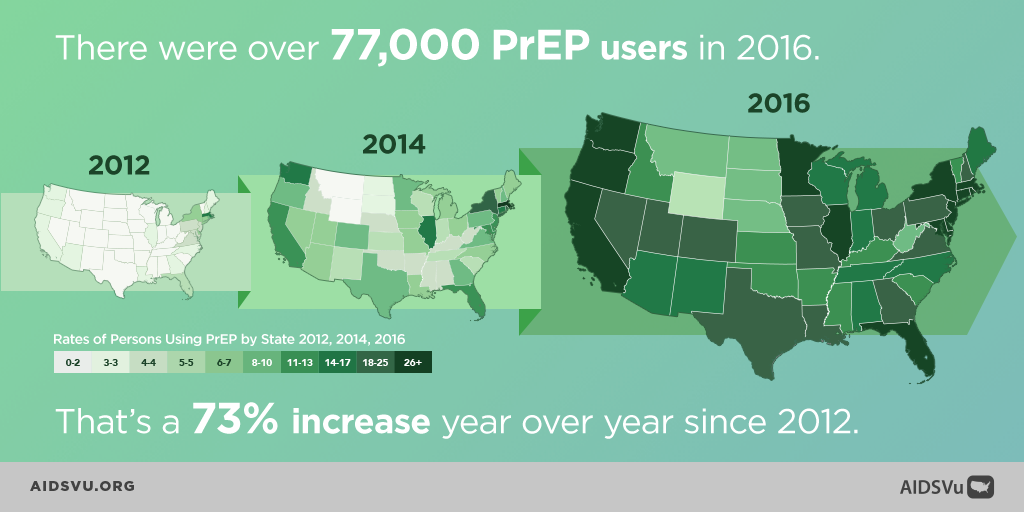
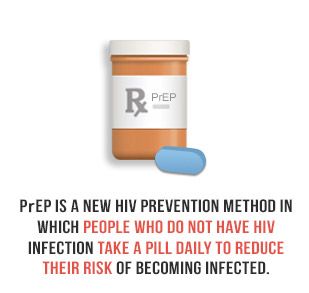
Since PrEP is one of the newer HIV prevention tools, understanding more about who is using it is important to better tailoring HIV prevention efforts at the national, state, and community levels. PrEP, or pre-exposure prophylaxis, is when people at high risk for HIV take HIV medicine daily to lower their chances of getting infected with HIV. AIDSVu has released the first-ever publicly available data and interactive maps of PrEP use by state from 2012 through 2016, stratified by sex and age.

The new maps from AIDSVu show more than 77,000 people were prescribed PrEP in 2016, with an average 73 percent increase year over year in persons using PrEP across the U.S. from 2012 – when the drug TDF/FTC was approved by the FDA for use as PrEP – to 2016. However, approximately 1.1 million people in the U.S. are at substantial risk for HIV exposure and could benefit from PrEP, according to analysis presented by the Centers for Disease Control and Prevention (CDC) at CROI 2018 earlier this year.

The data presented on AIDSVu reveal that the growth and distribution of PrEP use has been inconsistent across different sexes, age groups, and geographic regions. For example, the Southern U.S. accounted for more than half (52 percent) of all new HIV diagnoses in 2016 but represented only 30 percent of all PrEP users in 2016. That same year, women comprised 19 percent of all new HIV diagnoses but made up only seven percent of all PrEP users.

Read the full article.

Opinion: We need to talk about how Grindr is affecting gay men’s mental health

I’m a gay psychiatrist. Here’s why I went on Grindr to survey men.

When I open the Grindr app on my smartphone, I see there’s a 26-year-old man with tanned abs just 200 feet away. He’s called “looking4now,” and his profile explains that he wants sex at his place as soon as possible.

Scrolling down, I find 100 similar profiles within a one-mile radius of my apartment in Boston. I can filter them by body type, sexual position (top, bottom, or versatile), and HIV status.

As a gay psychiatrist who studies gender and sexuality, I’m thrilled with the huge strides we’ve made over the past decade to bring gay relationships into the mainstream. The Supreme Court ruled that same-sex marriage is a constitutional right. Today in Boston, two men can walk down the street holding hands without consequence.

But I’m worried by the rise of the underground digital bathhouse. Apps like Grindr, with 3 million daily active users, and others like Scruff and Jack’d, are designed to help gay men solicit sex, often anonymously, online. I am all for sexual liberation, but I can’t stop wondering if these apps also have a negative effect on gay men’s mental health.

Since there’s little published research on the men using Grindr, I decided to conduct an informal survey and ask men why they’re on the app so much and how it’s affecting their relationships and mental health. I created a profile identifying myself as a medical writer looking to talk to men about their experiences. I received about 50 responses (including propositions).

It’s a small sample size, but enough to give us some clues about how Grindr is affecting gay men. And it doesn’t look good.

Read the full article on Vox.

Who we are…

m4mHealthySex.org is a joint effort between the HIV Prevention and Care Project and the Pitt Men’s Study at the Graduate School of Public Health, University of Pittsburgh. Our goal is to provide up-to-date sexual health information for men who have sex with men. Page links include information about free HIV and STD testing, referrals to LGBTQ-friendly care providers, and information about PrEP.

February 7th is National Black HIV/AIDS Awareness Day

From the National Black HIV/AIDS Awareness Day Website

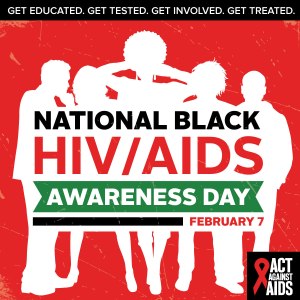
February 7, 2018 marks the 18th year for National Black HIV/AIDS Awareness Day (NBHAAD), a national HIV testing and treatment community mobilization initiative targeted at Blacks in the United States and the Diaspora.  NBHAAD was founded in 1999 as a national response to the growing HIV and AIDS epidemic in African American communities. The NBHAAD initiative leverages a national platform to educate, bring awareness, and mobilize the African American community. NBHAAD has four key focus areas which encourage people to:

  • Get Educated about HIV and AIDS;
  • Get Involved in community prevention efforts;
  • Get Tested to know their status; and
  • Get Treated to receive the continuum of care needed to live with HIV/AIDS.

For more information go to National HIV/AIDS Awareness Day online.  You can also find local testing resources by entering your zip code here.

Allies for Health + Wellbeing launches “I am an Ally” campaign with the support of Mayor Peduto and many prominent Pittsburghers

The campaign is designed to help raise the community’s awareness that what was the Pittsburgh AIDS Task Force is now Allies for Health + Wellbeing and that Allies provides integrated medical and behavioral health care, as well as supportive human services and community-based education for all those living with or at risk of HIV, viral hepatitis and sexually transmitted infections.

The “I am an Ally.” campaign will feature images on the back of Port Authority buses leaving the East Liberty garage starting February 1, 2018, and in other media outlets through April.

Allies of Allies for Health + Wellbeing featured in the campaign include:

  • Allies Board Member Linda Bucci and her husband, Chairman of MARC USA Tony Bucci
  • Medical Director of the Pitt Men’s Study, UPMC infectious disease doctor and Allies Board Member, Ken Ho, MD, MPH
  • Director of the Allegheny Health Department, Karen Hacker, MD MPH
  • Friends of Allies Richard Parsakian, Dr. Larry Leahy, John Van de Grift, Nancy Simpronio and Chuck Culbertson.
  • Allies for Health + Wellbeing LGBQTIA community advocates J Daniel Barlow and Dandy Hayes.

Join the Allies campaign by contacting Allies for Health + Wellbeing at 412-345-7456/info@alliespgh.org.


Many at-risk men still don’t take HIV prevention pill

From The Associated Press…

From gritty neighborhoods in New York and Los Angeles to clinics in Kenya and Brazil, health workers are trying to popularize a pill that has proven highly effective in preventing HIV but which — in their view — remains woefully underused.

Marketed in the United States as Truvada, and sometimes available abroad in generic versions, the pill has been shown to reduce the risk of getting HIV from sex by more than 90 percent if taken daily. Yet worldwide, only about a dozen countries have aggressive, government-backed programs to promote the pill. In the U.S., there are problems related to Truvada’s high cost, lingering skepticism among some doctors and low usage rates among black gays and bisexuals who have the highest rates of HIV infection.

“Truvada works,” said James Krellenstein, a New York-based activist. “We have to start thinking of it not as a luxury but as an essential public health component of this nation’s response to HIV.”

A few large U.S. cities are promoting Truvada, often with sexually charged ads. In New York, “Bare It All” was among the slogans urging gay men to consult their doctors. The Los Angeles LGBT Center — using what it called “raw, real language” — launched a campaign to increase use among young Latino and black gay men and transgender women.

“We’ve got the tools to not only end the fear of HIV, but to end it as an epidemic,” said the center’s chief of staff, Darrel Cummings. “Those at risk have to know about the tools, though, and they need honest information about them.”

In New York, roughly 30 percent of gay and bisexual men are using Truvada now, up dramatically from a few years ago, according to Dr. Demetre Daskalakis, a deputy commissioner of the city’s health department.

However, Daskalakis said use among young black and Hispanic men — who account for a majority of new HIV diagnoses — lags behind. To address that, the city is making Truvada readily available in some clinics in or near heavily black and Hispanic neighborhoods.

Read the full article on Newsday.com.

Erie County Health Department: A little-known prevention tool can help reduce infection

From Lisa Szymanski, R.N. public health nurse with the Erie County Department of Health (via goErie.com)…

On the heels of World AIDS Day, I can think of no better time to talk about HIV prevention.

HIV is no longer the death sentence it once was. Today, people infected with the virus are living healthier and longer lives; there are well over 300 people living with HIV in Erie County alone.

But HIV can still have serious health consequences.

A little-known HIV prevention tool is available. We call it PrEP, or pre-exposure prophylaxis.

PrEP helps HIV-negative adults greatly reduce their risk of infection. It consists of a medication, Truvada, taken once a day.

If used as prescribed, the U. S. Centers for Disease Control and Prevention states that daily PrEP reduces the risk of getting HIV from sex by more than 90 percent or higher if combined with other risk-reducing behaviors. Among people who inject drugs, it reduces the risk by more than 70 percent.

The CDC is recommending PrEP for people who are HIV-negative and diagnosed with a sexually transmitted disease in the past six months. It is also recommended for those who have an HIV-positive sexual partner, heterosexual men and women who do not regularly use condoms during sex with partners of unknown HIV status, and gay or bisexual men unless in a mutually monogamous relationship with a partner who recently tested HIV-negative.

PrEP is also recommended for people who have injected drugs and have shared needles or been in drug treatment in the past six months.

You must take an HIV test before beginning PrEP and every three months while you’re taking it. There are several health-care providers in the Erie area who are now prescribing PrEP to their patients.

The cost of PrEP is covered by many health insurance plans, and a commercial medication assistance program provides free PrEP to people with limited income and no insurance to cover PrEP care.

Talk with your doctor or health-care provider to determine if PrEP is right for you. For more information, you may contact the Erie County Department of Health.

Coming out to your doctor in rural America

From NPR online

Finding the perfect doctor can be a feat for anyone. And a poll conducted by NPR, the Robert Wood Johnson Foundation and the Harvard T.H. Chan School of Public Health finds that 18 percent of all LGBTQ Americans refrain from seeing a physician for fear of discrimination.

One of those people is 20-year-old Alex Galvan. The moment right before he told his doctor earlier this year that he is gay and sexually active felt like a nightmare. Galvan lives in rural Tulare County in California’s Central Valley. He wanted to start a regimen of medication that helps prevent HIV infection, an approach called “pre-exposure prophylaxis,” or PrEP.

Alex Galvan

“Sitting in the waiting room was kind of like, ‘you got this, you’re just asking for a medication to help you,’ ” Galvan says, remembering what was going through his head before he came out to the doctor. “He’s not going to flip out. And then the moment before was, ‘Oh gosh, here it goes.’ ”

His doctor didn’t know about PrEP, and Galvan thought he was going to be rejected. Instead, his physician educated himself.

“I was kind of scared that he didn’t know what it was, but I was also relieved because I let him do most of the research,” Galvan says. “Yeah, and then I cried a little bit in the car, because I didn’t know what just had happened and it all kind of blurred together.”

Pediatrician Kathryn Hall knows about these concerns all too well. She has been practicing medicine in Tulare County for over a decade, and time and time again, her patients tell her they’re afraid to come out to their other doctors. A few years ago, she got so fed up that she surveyed more than 500 nearby doctors asking them basic questions about being welcoming. “I made the bar very, very low because we just didn’t get much education on LGBT health in medical school,” says Hall. “That is starting to change.”

Around 120 doctors responded to Hall’s survey, and most of them said they would be happy to serve this group. Hall says there are lots of ways that doctors can make it clear they’re accepting — a little rainbow flag on the door or taking out ad in a local magazine.

“Many of the physicians that I know are LGBT-friendly, but patients don’t know that and are very afraid that they’re being judged,” Hall says.

Read the full article on NPR.


m4mHealthySex.org: Using social media to reach men who have sex with men in Pennsylvania

In a recent study published in the September issue of AIDS Behavior, researchers were able to shed some light on the use of dating aps and Websites by men who have sex with men (MSM). The study showed that 3 in 4 MSM use Internet-based social media venues for the purpose of meeting other men. More than half reported frequent use.

Considering that gay and bi men make up less than 2 percent of the population but account for roughly 70 percent of new HIV infections (based on surveillance data obtained in 2014), and given the recent announcement by the Centers for Disease Control and Prevention that the number of reported chlamydia, gonorrhea and syphilis infections are at an all-time high in the United States (with gay and bi men making up a disproportionate number of new syphilis infections), it makes sense that gay-related dating aps and Websites would be a logical place to reach out to MSM with important prevention and testing information. In fact, the previously mentioned study’s authors concluded the ability to target MSM through social media “ensures that the right prevention message can be received by the intended audience…and could be an effective strategy for sexual health prevention research, interventions, and communication efforts.”

That’s our mission in a nutshell.

As part of the HIV Prevention and Care Project, and with the experienced input of the Pitt Men’s Study medical staff (both housed within the University of Pittsburgh Graduate School of Public Health), m4mHealthySex.org strives to get important health information to the people who need it, via the social media venues they frequent the most. Our sexual health educators reach out on Grindr, Scruff, Jack’d, Adam4Adam and Craigslist, in areas around the state that are particularly hard hit by HIV and other STDs. In the last six months, we referred more than 800 MSM in Pennsylvania to free HIV/STD testing, sent a variety of Health Alerts (short bulletins alerting MSM to critical health issues) to more than 8,000 recipients, and added to our archive of 450-plus informative posts concerning HIV and other STDs, PrEP, sexual health and the general well-being of men who have sex with men.

Being informed about sexual health can protect you from serious sexually transmitted infections. It can also keep our community healthy and strong. So if you see us online, don’t be afraid to ask questions. You can also browse through our helpful links related to STD/HIV testing, PrEP and general health.

For more information about m4mHealthySex.org, the HIV Prevention and Care Project, and/or sexual health in general, contact us at m4mInformation@pitt.edu. We’re here to help.

Does PrEP use lead to higher STI rates among gay and bi men?

From POZ.com

Rates of new sexually transmitted infections (STIs) are much higher among men who have sex with men (MSM) taking Truvada (tenofovir disoproxil fumarate/emtricitabine) as pre-exposure prophylaxis (PrEP) than among other MSM. More research is needed, however, to determine whether starting PrEP leads to higher STI rates among MSM.

Publishing their findings in the journal AIDS, researchers conducted a meta-analysis of 18 studies of MSM in which new STI diagnoses were reported. Five of the studies included MSM given PrEP, and 14 were conducted with MSM who were not given PrEP. (One study, the PROUD study, included both a group given PrEP immediately and a group given PrEP on a deferred basis and thus fell into both the PrEP and the non-PrEP categories of studies.)

The researchers found that the rates of new diagnoses of STIs among MSM given PrEP were 25.3 times greater for gonorrhea, 11.2 times greater for chlamydia and 44.6 times greater for syphilis, compared with the rates among MSM not given PrEP. After repeating the analysis but excluding studies conducted before 1999, the researchers found that the results were similar.

Looking to parse apart the contributing factors to the higher rate of STI diagnoses among MSM given PrEP, the meta-analysis’s authors theorized that the regular STI testing that is part of taking PrEP might have led to a higher rate of STI detection. A greater number of sex partners and a higher rate of condomless sex among those given PrEP might also have contributed to their higher STI diagnosis rate.

The study is limited by the fact that, except in the case of PROUD, the researchers compared different populations of MSM from study to study. They also compared groups that tested for STIs at different frequencies and used different variations of STI tests. Additionally, the PrEP studies specifically sought out participants engaging in high-risk sexual behaviors, while the other studies might have had different criteria with regard to sexual risk taking. However, participants in many of the non-PrEP studies were indeed recruited based on some level of reported sexual risk taking.


Read the full article.


‘Double discrimination,’ loneliness contribute to bisexual health disparities, study says

From NBC News online

“Double discrimination” and loneliness put bisexual individuals at “higher risk for poor mental health outcomes,” according to a recent study out of American University. The study compared the mental health of bisexual men and women to that of gay men, lesbians and heterosexuals.

“Bisexual people face double discrimination in multiple settings — bisexual people are often invisible, rejected, invalidated [and] stigmatized in the heterosexual community as well as the traditional LGBTQ communities,” Ethan Mereish, an assistant professor at American University and the study’s lead author, told NBC News. “Given that isolation and discrimination, bi people might be experiencing increase factors that might make them more lonely or isolated.”

Previous research has shown that lesbian, gay and bisexual individuals broadly face higher rates of mental health issues than their straight counterparts. Yet there are mental health disparities that the bisexual community faces at higher rates than even gays and lesbians. That said, the American University study surveyed 503 bisexual adults ranging in age from 18 to 64 to hone in on their unique minority stressors and the effects they have on mental health.

“This study adds to the growing body of research confirming that bisexual people face unique mental health disparities [that are] closely related to stigma and discrimination [they face] from straight, gay and lesbian communities,” Heron Greenesmith, a senior policy analyst at LGBTQ advocacy organization Movement Advancement Project, said. “Internal stigma adds another barrier to bisexual people.”

Greenesmith, whose organization has compiled a number of studies and reports that point to the relatively poor health of the bisexual community, said this latest study makes it “even more clear that the bisexual community needs tailored mental health services.”

Read the full article.

PATF changes name to reflect exapanded services

From the Pittsburgh AIDS Task Force

As of September 26, 2017, Pittsburgh AIDS Task Force will be Allies for Health + Wellbeing! The name change follows a period of significant expansion for the agency and is in keeping with feedback given by current and potential clients. The new name also pays homage to the agency’s founders.

In 1985, the volunteers who formed the Pittsburgh AIDS Task Force were truly allies fighting against HIV/AIDS on a number of fronts. They fought for the dignity, rights and humanity of those were dying of AIDS. They fought against rampant discrimination and fear. These allies fought to prevent HIV transmission by disseminating accurate information to the community and by offering free anonymous screenings.

Today, we continue to be on the side of people living with HIV, working with them to maximize their health and quality of life. From primary medical care to housing, to a food pantry and, soon, onsite mental health services, Allies for Health + Wellbeing delivers integrated services with a holistic approach. We have also expanded services for those at risk of HIV, including Pre-exposure Prophylaxis (PrEP), treatment for sexually transmitted infections and viral hepatitis, as well as primary medical care.

With a new name comes a new logo and a whole new brand image. Our new brand image will be unveiled at a launch party on September 26th.

Can new ‘Smart PrEP Pills’ increase adherence for HIV-prevention medication among young people?

From the Daily Herald online…

How does the smart PrEP work?

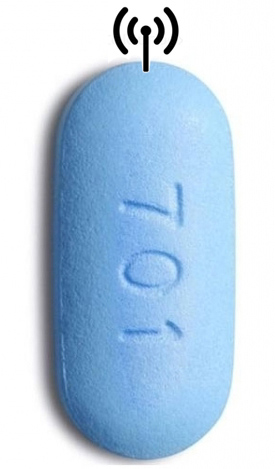
“The pill Truvada — the only PrEP drug approved by the Food and Drug Administration — has a sensor tablet encapsulated over it, so that when the pill is swallowed, the sensor tablet comes in contact with gastric fluid in the stomach and creates an electrical signal,” explained Dr. Gregory Huhn, CCHHS’ Associate Professor of Infectious Diseases and principal investigator of the trial. “The electrical signal is less than the frequency of a heartbeat, so nobody is going to feel it. But it transmits a signal in real-time that the pill has been ingested.”

By having a record of when the pill has been taken that goes to both the patient and his or her doctors or providers, the providers can reach out to patients who haven’t been taking the pills as directed and find out if there are any issues they can help resolve-like medication side effects a patient might be having or that they’ve run out of medication, Brothers said.

PrEP is supposed to be taken once a day.

Read the full article.

Smoking rampant in LGBTQ community, UIC researcher finds

From dnainfo.com

LGBTQ people smoke at twice the rate of straight people, a University of Illinois at Chicago researcher notes in a paper that offers five ideas to reduce the trend.

The paper, produced by a team led by UIC clinical psychologist Phoenix Matthews, said LGBTQ people are “at an elevated risk for tobacco related health disparities due to disproportionately high rates of tobacco use.”

Around 46 percent of gay men and 48 percent of adult lesbians smoke, according to the National Institutes for Health.

Many anti-smoking programs target specific ages, ethnicities and gender — but not sexual orientation, Matthews said in a press release about the paper, published in June by the Society of Behavioral Medicine. Cessation services, such as tobacco quit lines, “are underused by LGBT smokers,” Matthews added.

Matthews recommends that smoking surveys include gays and lesbians specifically and that anti-smoking media campaigns include messages that target them. In addition, the paper urges reducing menthol-flavored cigarettes, which are favored by young smokers, and creating a national clean air act aimed reducing second hand smoke.

Read the full article.