HIV drug may boost suicide risk

From philly.com

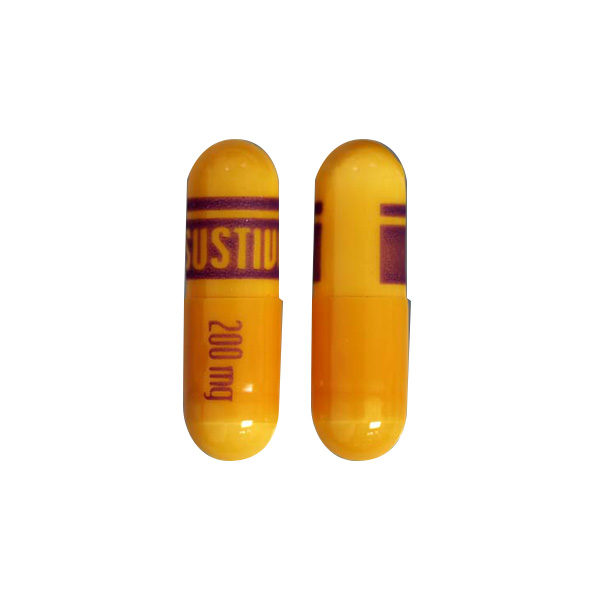
sustiva 3A medication commonly used to treat HIV appears to double the risk that patients will develop suicidal thoughts or take their lives, new research contends. The finding concerns the anti-HIV drug efavirenz, which is marketed as Sustiva. Prior investigations indicated that efavirenz might boost suicide risk because of a negative impact on the central nervous system. The new investigation is the first to pinpoint a link to suicidal thoughts, attempts and completion, the researchers said.

“Efavirenz is a very important and effective antiretroviral medication that is the foundation for much of HIV therapy worldwide,” said study co-author Dr. Joseph Eron, of the University of North Carolina Center for AIDS Research at Chapel Hill. “Our study demonstrated a clear association between efavirenz and suicidality,” he said.

Although that risk seems very small, he said, it appears to be persistent, lasting as long as patients take the drug.sustiva 2 Antiretroviral treatment typically is lifelong, helping people with the AIDS-causing virus live healthier lives. “Clinicians should be aware of this ongoing risk, and talk to their patients to assess suicidality,” Eron added. That means looking for any history of depression or suicidal thoughts or attempts, the study noted.

Continue reading on philly.com.


The use of PrEP can help reduce anxiety and provide greater ‘peace of mind’

American gay men who have chosen to take pre-exposure prophylaxis (PrEP) are aware of their own risk of being exposed to HIV and see PrEP as providing ‘an extra layer of protection’ on top of their efforts to use condoms, some or all of the time. The use of PrEP can help reduce anxiety and provide greater ‘peace of mind’, men reported in in-depth interviews.

The study also sheds light on the motivations of men who stopped taking PrEP or who chose not to take it at all. Most frequently this was because their sexual relationships or behaviour had changed, but concern about potential side-effects also deterred a number of men.

The findings were presented to the 9th International Conference on HIV Treatment and Prevention Adherence in Miami earlier this week. Hailey Gilmore and colleagues interviewed 87 American men who have sex with men who were enrolled in iPrEx OLE – a programme which offered men who had participated in a clinical trial of PrEP the possibility to take, or continue to take, PrEP after the randomised study had ended. Whereas the effectiveness of PrEP had previously been unknown, by this stage men had learnt that it could help prevent HIV infection.

Continue reading on aidsmap.com.

Truvada as pre-exposure prophylaxis (PrEP) against HIV takes about a week to be effective in preventing infection

From aidsmeds.com

Truvada (emtricitabine/tenofovir) as pre-exposure prophylaxis (PrEP) against HIV takes an estimated seven days to reach full efficacy and may protect for nearly a week afterward, the National AIDS Treatment Advocacy Project (NATAP) reports. But those taking PrEP should not assume these are hard facts at this time. Presenting their findings at the 15th International Workshop on Clinical Pharmacology of HIV and Hepatitis Therapy in Washington, DC, researchers conducted an analysis of 11 men and 10 women who took daily Truvada as PrEP for 30 days and then, after stopping the drug, remained in an additional 30 days of follow-up.

Continue reading on aidsmeds.com.

Just-released guidelines: Pre-Exposure Prophylaxis (PrEP) use for HIV prevention

From AIDS.gov

The U.S. Public Health Service and the Centers for Disease Control and Prevention released guidelines for the use of daily oral antiretroviral pre-exposure prophylaxis, or PrEP, for HIV infection, entitled: Preexposure Prophylaxis for the Prevention of HIV Infection in the United States – 2014 [PDF 867KB].

These guidelines provide health care providers with recommendations on the use of PrEP to prevent HIV, and include a supplement [PDF 690KB] with additional materials and tools for clinicians who prescribe PrEP and their patients. These guidelines replace previous interim guidance released by CDC for the use of PrEP.

CDC recommends PrEP for HIV-uninfected patients at substantial risk for HIV infection, including patients who have any of the following indications:

  • Is in an ongoing relationship with an HIV-infected partner;
  • Is not in a mutually monogamous relationship with a partner who recently tested HIV-negative; and is a
  • gay or bisexual man who has had sex without a condom or been diagnosed with a sexually transmitted infection within the past six months;
  • heterosexual man or woman who does not regularly use condoms when having sex with partners known to be at risk for HIV (e.g., injecting drug users or bisexual male partners of unknown HIV status); or
  • Has, within the past six months, injected illicit drugs and shared equipment or been in a treatment program for injection drug use.

PrEP is a powerful HIV prevention tool. However, for sexually active people, no prevention strategy is 100% effective. Therefore, the guidelines also recommend that physicians encourage patients to use PrEP with other effective strategies—like using condoms, testing for HIV with partners, reducing the number of partners, and having partners who are HIV positive take antiretroviral therapy—to provide even greater protection from HIV.

To achieve the full promise of PrEP, each of us has a critical role to play. Clinicians play a central role in increasing awareness and the delivery of this new prevention method when there are indications for its use. Advocates can help raise PrEP awareness and understanding about PrEP, especially in at-risk populations. Medical associations and professional organizations can help educate providers and share clinicians’ experiences delivering PrEP, and HIV prevention programs can integrate PrEP education into existing activities.

We mark a milestone with the release of these new guidelines—a promising tool for HIV prevention, and one that has the potential to alter the course of the U.S. HIV epidemic.

For more about PrEP and its use. Please visit the CDC PrEP page.

HIV infection increases risk of melanoma

From aidsmap.com

HIV infection is associated with an increased risk of melanoma, according to the results of a meta-analysis published in PLOS ONE. Overall, people living with HIV had a 26% increase in their relative risk of melanoma compared to the general population, the risk increasing by 50% for white-skinned people with HIV. The increased risk was statistically significant in white-skinned people diagnosed with HIV and of borderline statistical significance for all people diagnosed with HIV.

The authors recommend that fair-skinned people living with HIV should be regularly screened for suspicious skin lesions and should also be warned about the dangers of prolonged exposure to the sun.

Melanoma (skin cancer) diagnoses have increased markedly in the UK and many other countries in recent years. There is also evidence suggesting that people living with HIV have a higher risk of developing this skin cancer compared to individuals in the general population. Studies conducted before effective antiretroviral therapy became available in the mid-1990s showed that having HIV increased the relative risk of melanoma by approximately a quarter.

However, it is uncertain whether people living with HIV continue to have an increased risk of melanoma in the era of effective antiretroviral treatment. A team of Australian and UK investigators therefore conducted a systematic review and meta-analysis, looking at the association between HIV and the relative risk of melanoma in the periods before and after potent HIV therapy became available. The investigators’ analysis included cohort studies involving adult patients.

A total of 21 studies met their inclusion criteria. These were conducted between 1999 and 2013. Most (twelve) were conducted in the United States, eight in Europe and one in Australia. Most of the studies reported on cohorts of patients with HIV and those diagnosed with AIDS, but six studies defined their study population as patients with AIDS. The majority of studies (16) were population based, most of the patients being men (76-92%). One study included only men who have sex with men; one study included women only; a single study was restricted to veterans and two studies reported on single-clinic patient cohorts.

Continue reading on aidsmap.com.

STD prevention is a part of HIV prevention: STD Awareness Month 

A message from Gail Bolan, M.D., Director, Division of STD Prevention, Centers for Disease Control and Prevention (from AIDS.gov)

Gail Bolan, M.D., Director, Division of STD Prevention, Centers for Disease Control and Prevention

Gail Bolan, M.D., Director, Division of STD Prevention, Centers for Disease Control and Prevention

April marks the annual observance of STD Awareness Month. And for this month, I’d like to focus on the link between STD prevention and HIV prevention.

The Centers for Disease Control and Prevention (CDC) has been invested in exploring the intersection of HIV and other STDs. Every year, 20 million new STDs occur including 50,000 new HIV infections. We know that people who have STDs such as gonorrhea, herpes, and syphilis are more likely to get HIV compared to people who do not. In fact, being infected with genital herpes makes you 3 times more likely to get infected with HIV, if exposed. And data collected from several major U.S. cities indicate that nearly 45% of gay and bisexual men with syphilis are also infected with HIV.

So this STD Awareness Month, I encourage the public, health care providers, and community-based organizations to bring a renewed sense of enthusiasm and focus to their STD awareness and prevention efforts. Individuals should know that the same behaviors that put you at risk for acquiring STDs can put you at risk for getting HIV. Physicians should follow recommended screening and treatment guidelines. And community-based organizations should support local STD and HIV prevention efforts.

The link between STDs and HIV is real. By educating yourself on ways to lower your risk, you can take action to protect your health. Not having sex is the most effective way to prevent STDs and HIV, but if you are sexually active, you can lower your risk of STDs and HIV by

  • Choosing one partner and agreeing to be sexually active only with each other. It is still important that you and your partner get tested for STDs and HIV and share your test results with one another.
  • Limiting the number of people you have sex with if you have more than one partner.
  • Using latex condoms or dental dams the right way every time you have sex.

STD and HIV testing is a critical part of preventing the spread of disease. I am urging providers to educate patients on their risk for STDs and HIV, and make taking a sexual history a priority. The behaviors and circumstances that put people at risk for STDs also put them at risk for HIV; take the opportunity to offer HIV testing to all patients who are tested for an STD. With 20% of new HIV cases being detected in STD clinics, it’s clear that a continued merging of STD and HIV prevention efforts is needed. As well, patients diagnosed with HIV at STD clinics have been found to have less-advanced disease.

You can go to the CDC Website to find out more about STD Awareness Month.

The fight against HIV/AIDS is vital to a future without tuberculosis

From AIDS.gov

On Monday, March 24, 2014, the U.S. President’s Emergency Plan for AIDS Relief (PEPFAR) joined the international community in commemorating World TB Day and those who have lost their lives to this terrible disease; TB is second only to HIV/AIDS in global deaths due to infectious diseases. Moreover, the World Health Organization estimates that at least one-third of the nearly 36 million people living with HIV/AIDS are also infected with TB. TB is the leading cause of death among people living with HIV in sub-Saharan Africa. With these two diseases so closely linked, the 2015 Millennium Development Goal of a 50 percent reduction of TB-related deaths is integral to achieving an AIDS-free generation.

Despite the staggering cost of lives due to co-infection between TB and HIV, we at PEPFAR, in conjunction with our partners implementing TB programs around the world, are encouraged to see progress over the past few years in combatting co-infection. In 2012:

  • Rates of ART coverage among TB/HIV patients globally rose from 49 percent in 2011 to 57 percent.
  • 4.1 million people enrolled in HIV care were screened for TB in 2012, up from 3.5 million in 2011.
  • The percentage of TB patients who knew their HIV status rose from 69 percent in 2011 to 74 percent in sub-Saharan Africa.

The effects of co-infection between HIV and TB cannot be understated which is why PEPFAR addresses the deadly links between these two diseases as a top policy and programmatic priority. Our efforts are focused on prevention, care, and treatment programs as outlined in the 2012 PEPFAR Blueprint [PDF 2.83KB].

Read the full article on AIDS.gov.

Black voices: leveraging digital tools to reach and engage Black gay men

From AIDS.gov

More Americans than ever before have access to Internet-enabled technologies and are participating in online social networking platforms. This trend is particularly notable among women, African-Americans, and Latinos and provides hope that effective use of new social technologies could reshape how we reach, engage, and mobilize vulnerable populations such as Black gay men (BGM) and other men who have sex with men (MSM) who are disproportionately impacted by the domestic HIV epidemic. For example, recent data from the The Pew Research Center’s Internet & American Life Project indicate that while the digital divide persists as it relates to Internet access, African-Americans use mobile devices at the same rate as their peers and lead the way in participation in social media such as Twitter.

There is little data available about how BGM/MSM are using social technologies. So, last year, as part of ongoing efforts to improve the health and wellbeing of BGM/MSM, The National Black Gay Men’s Advocacy Coalition (NBGMAC) launched a national survey to learn about the online communication habits of Black gay men. The survey’s goals are to better understand how BGM/MSM use the Internet to communicate and receive national health policy and advocacy information. The data gathered from this survey will contribute to our understanding of how to effectively leverage the Internet for outreach and engagement around health information and national policy issues of importance to BGM/MSM across the nation.

Preliminary survey data highlight the importance of social networking platforms like Facebook in connecting with communities of Black gay men and sharing health policy and advocacy information. The data also reflect a notable level of interest in biomedical HIV prevention tools like Pre-Exposure Prophylaxis (PrEP). Findings like these point to the growing importance of making information available about HIV prevention in a way that meets the needs of the populations most impacted the epidemic. If you are a Black gay, bisexual or same-gender loving man, please take a moment to complete the brief survey and share with your networks. If not, please also consider sharing with any colleagues, friends or loved ones who may be willing to participate and help us to shed light on the communication, health information, and policy and advocacy needs of this underserved community.

To complete the survey, click here or copy and paste the survey’s URL into your Internet browser: http://svy.mk/15KFMwc .

Being out to your doctor is important in maintaining your health

Why you should consider coming out to your doctor…

There are lots of reasons why men who have sex with men (MSM) don’t tell their doctors about their sexual preferences. But whatever the reason, it is important to keep in mind that who you have sex with can have a serious impact on your health. MSM need to be aware of the unique medical issues that their heterosexual counterparts may not have to worry so much about. For example, MSM have higher rates of HIV, Syphilis, HPV, anal cancer, and hepatitis (just to name a few). In short, your doctor can help you stay on top of the added health issues if he or she knows your sexual preference.

Finding an LGBT-friendly doctor…

The Gay and Lesbian Medical Association (GLMA) keeps an online list of gay-friendly medical providers. It’s especially helpful if you live in or near a large city. You can go to their Website, www.glma.org, and search under their resources link by zip code. If the GLMA database doesn’t have any options near you, and you’re not willing to make a road trip, you’ll have to go about finding a doctor the traditional way: Meet potential providers and interview them. Ask questions, be honest. Doctors work for their patients, not the other way around. Keep shopping until you find one that you can be honest with. It may take some detective work but maintaining your health is worth it.

To subscribe to Pitt Men’s Study Health Alerts, send a message to PMS@stophiv.pitt.edu with the word “subscribe” in the subject line.

Obamacare insurers prohibited from discriminating against same-sex marriages

From  the Washington Blade

The Obama administration clarified on Friday that insurers are prohibited from discriminating against same-sex marriages for the purposes of non-grandfathered family coverage — even if applicants are applying in non-marriage equality states. In guidance dated March 14, the Centers for Medicare & Medicaid says existing provisions in the health care reform law prohibiting discrimination by insurers on the basis of gender — which the Obama administration has interpreted to extend non-discrimination protections based on sexual orientation and gender identity — also requires insurers not to refuse family coverage for married same-sex couples.

The guidance is set up as Q&A. The question is “If a health insurance issuer in the group or individual market offers coverage of an opposite-sex spouse, may the issuer refuse to offer coverage of a same-sex spouse?” The response starts off simply, “No.”

“This section prohibits an issuer from choosing to decline to offer to a plan sponsor (or individual in the individual market) the option to cover same-sex spouses under the coverage on the same terms and conditions as opposite sex-spouses,” the guidance states. Alicia Hartinger, a CMS spokesperson, said the guidance spells out that non-discrimination is the rule for insurers — both on and off the health insurance exchanges — when selling policies.

Continue reading on The Washington Blade.


Legacy aims to end high rates of smoking by the LGBT community

From the Edge on the Net

Pennsylvania-Woman-Tells-Teens-to-Get-a-Job-Is-Shot-over-a-Cigarette-2Did you know that gays smoke cigarettes at rates nearly 70 percent higher than the general population, and tobacco companies target the LGBT community specifically? There are 440,000 preventable deaths from tobacco-related causes each year. Maybe it’s time to make that resolution happen, and let Legacy help you kick that butt for good.

“Legacy has been working to support the LGBT community since its inception, doing everything from funding grant projects to listening sessions, convening folks to talk about issues facing the community,” said Legacy’s Senior Vice President of Collaboration and Outreach William Furmanski. “Last year we had a report published with our findings and hosted a webinar to have a national dialogue.” Legacy is a Washington, D.C.-based foundation responsible for truth®, the national youth smoking prevention campaign that has been cited as contributing to significant declines in youth smoking. Their education campaigns include EX®, an innovative public health program designed to speak to smokers in their own language and change the way they approach quitting. Legacy helps people live longer, healthier lives by building a world where young people reject tobacco, and anyone can quit.

Furmanski cited statistics that reveal the LGBT community has some of the highest rates of smoking among any population group — in fact, dramatically higher than the public at large. This means that the disease and death caused by tobacco use impacts our community at a much higher rate. “Anything we can do to help individuals understand the risks in smoking and how they can improve their health by quitting, and strategies used by the tobacco industry to attract them to a product are important,” said Furmanski. “We realized that even just relaying these harms would help the LGBT community, because tobacco use takes a back seat to other health issues in our community like HIV/AIDS. Many people think smoking can be okay to deal with the stress in life.”

Read the full article on edgeonthenet.com 

Gonorrhea and syphilis are on the rise among gay and bi men

From Bloodberg.com

Gonorrhea and syphilis are on the rise in the U.S., mostly in men who have sex with men, a trend the government said is linked to inadequate testing among people stymied by homophobia and limited access to health care.

The rate of new gonorrhea cases rose 4 percent in 2012 from the year before, while syphilis jumped 11 percent, the U.S. Centers for Disease Control and Prevention said today in a report. Rates for chlamydia, the most common of the bacterial sexually transmitted diseases, gained less than 1 percent. While all three diseases are curable with antibiotics, many people don’t get tested as recommended, said Gail Bolan, the director of the CDC’s STD prevention division. That’s especially the case for syphilis, where the rise is entirely attributable to men, particularly those who are gay or bisexual.

“We know that having access to high-quality health care is important to controlling and reducing STDs,” Bolan said in a telephone interview. “Some of our more-vulnerable populations don’t have access. There are a number of men who come in to our clinic for confidential services because they’re too embarrassed to see their primary care doctors.”

The CDC rate for gonorrhea was 107.5 cases out of 100,000 in 2012, while syphilis was 5 cases per 100,000 people. The infections cost the U.S. health-care system about $16 billion every year, according to the report.

Read the full article on Bloomberg News.  

HIV testing and linkage to care available for young gay, bi and transgender African Americans via Project Silk

projectsilkProject Silk is a service project for young adult gay, bisexual or transgender African Americans. It’s a partnership between the Pennsylvania Department of Health and the University of Pittsburgh and is run by Anthony Silvestre, PhD, and Mackey R. Friedman, PhD, MPH, of the department of infectious diseases and micobiology in Pitt’s Graduate School of Public Health. Project Silk provides a safe, youth-centered space in downtown Pittsburgh and is open four nights a week. An on-site social worker is available and helps connect young people to important services such as housing, employment and health care. HIV testing and linkage to care are available during drop-in hours, and a private office can be requested. The project includes a mix of structured programming, such as civic discussion groups. There’s also unstructured time for young people to practice dance moves and prepare for house balls, which are competitive dance events.

Read more on newpittsburghcourieronline.com


Reducing health disparities for LGBT Americans through the Affordable Care Act

Seeking to reduce health disparities for lesbian, gay, bisexual, and transgender (LGBT) Americans through the Affordable Care Act (ACA), the National LGBT Health Education Center at The Fenway Institute, and the Center for American Progress, have released “Optimizing LGBT Health under the Affordable Care Act: Strategies for Health Centers,” a guide detailing how the ACA will improve LGBT health and best practices for health centers to increase enrollment of LGBT people in coverage under the ACA. Download a free copy of the PDF here.

“The long history of discrimination in health care and societal bias against lesbian, gay, bisexual, and transgender people has created alarming health disparities for this community,” said Harvey Makadon, MD, Director of the National LGBT Health Education Center. “LGBT people have disproportionately high rates of tobacco use, HIV infection, encounters with violence and homelessness, elevated rates of depression and suicide attempts, and reduced access to preventive health services. The ACA reforms described in our guide represent a critical step toward addressing these disparities and improving the health of LGBT Americans.”

Keep reading on  10thousandcouples.com.

Unprotected sex among gay men on the rise

From the Boston Globe

Federal health officials are reporting a sharp increase in unprotected sex among gay American men over the last decade, a development that makes it harder to fight the AIDS epidemic. The same trend has recently been documented among gay men in Canada, Britain, the Netherlands, France, and Australia, heightening concerns among public health officials worldwide.

According to the Centers for Disease Control and Prevention, the number of men who told federal health investigators that they had had unprotected anal sex in the last year rose nearly 20 percent from 2005 to 2011. In the 2011 survey, unprotected sex was more than twice as common among men who said they did not know whether they were infected with HIV.

.

Health Alert – time to get a flu shot

Getting a flu shot is good advice for pretty much anyone. Even more so if you’re HIV positive.

For patients with HIV, the Centers for Disease Control and Prevention (CDC) recommends getting the flu shot instead of the live attenuated flu vaccine or “FluMist.” The flu shot is an inactivated vaccine (containing a killed virus) that’s given with a needle. FluMist contains a weakened form of the live flu virus and is only approved for use in people ages 2 to 49 with unimpaired immune systems.

Preventing the flu is important for people with HIV/AIDS due to an increased risk from serious influenza-related complications. Studies have shown an increased risk for heart and lung-related hospitalizations in people infected with HIV during influenza season, as well as a higher risk of influenza-related deaths. Other studies have indicated that influenza symptoms might be prolonged for certain HIV-infected people.

And, no, you can’t get the flu from the vaccination. For more information about HIV and influenza, go to the CDC Website.

You can find a place to get the flu shot here. You can also ask your doctor for additional options.

Gay men should be tested for Hepatitis C

 (Co-founder, GMHC; author, ‘We Must Love One Another or Die: The Life and Legacies of Larry Kramer’) writes on the Huffington Post…

Hepatitis C is the most common blood-borne infection in the U.S., and one of the most common worldwide. One in 50 Americans is infected. It accounts for more than 50 percent of all cases of end-stage liver disease and 50 percent of cases of liver cancer, and it is the reason for more than 50 percent of liver transplants. Yet it remains severely underdiagnosed. It’s estimated that upwards of 75 percent of those infected remain untested and undiagnosed, as compared with 25 percent of those with HIV. More people now die from hepatitis C than from HIV.

Those of us who struggled through the early period of AIDS understand the meaning of “Silence = Death,” the motto used by the AIDS activist organization ACT UP. So when hepatitis C began to emerge among MSM (men who have sex with men), the silence that ensued seemed eerily familiar. When I first started reporting on hepatitis C in gay men nearly a generation ago, the disease was already being called “the stealth epidemic,” in part because of the typically long, silent progression of the disease in its chronic form, sometimes taking 20 to 30 years from acute infection to cirrhosis of the liver, but also because of the public silence about it. If people had the disease, they mostly didn’t know it, and if they did have it and did know it, they didn’t go public with it. Nor did those with the disease often seek treatment, which had the reputation of being prolonged, difficult and of mixed efficacy. Since the principal risk group for the disease was injection drug users, the public wasn’t exactly clamoring to know more or be more involved.

Continue reading on the Huffington Post.

“Speak Out: Let’s Bring HIV Out of the Closet”

From the Website Edge in Boston…

The signs are hard to miss. Exit a Muni train at the Castro station, and the wall-sized posters are greeting you as the doors slide open. The message – it is time to start talking about HIV and AIDS. Or, as Vincent Fuqua, program coordinator for the San Francisco Department of Public Health put it, “find our voice again.”

“As long as people are still becoming infected with HIV, as long as people are still HIV-positive,” Fuqua said, “it’s still a part of us.”

The Department of Public Health, along with the national Greater Than AIDS initiative and the Kaiser Family Foundation, recently introduced Speak Out: Let’s Bring HIV Out of the Closet, a social marketing campaign aimed at encouraging men not only to get tested for HIV regularly, but also to speak openly about their status and the disease in general, as a way to remove some of the stigma within the community associated with being HIV-positive.

“We understand that there’s been a lot of strides in the gay community, which is incredible. The thing is, though, HIV is still a big part of our community as well. So we wanted to make sure people don’t forget that,” Fuqua said.

The campaign was introduced October 10 at Blush Wine Bar in the Castro. It will extend to other cities next year.

Continue reading here.

Health issues for gay men: Prevention first

From the Mayoclinic.com

Understand important health issues for gay men — from sexually transmitted infections to depression — and get tips for taking charge of your health. Men who have sex with men are at increased risk of contracting HIV, the virus that causes AIDS, as well as other sexually transmitted infections, including gonorrhea, chlamydia and syphilis.

To protect yourself from sexually transmitted infections:

  • Get tested and have your partner tested. Don’t have unprotected sex unless you’re certain you and your partner aren’t infected with HIV or other sexually transmitted infections. Testing is important because many people don’t know they’re infected, and others might not be honest about their health.
  • Use a condom or other protection. Use a new latex or polyurethane condom every time you have sex — especially during anal sex, but ideally during oral sex as well. Use only water-based lubricants, not petroleum jelly, hand lotion, cold cream or oils. Oil-based lubricants can weaken latex condoms and cause them to break. Don’t share sex toys, and keep them safe by protecting them with a condom and cleaning them before and after every use.
  • Be monogamous. Another reliable way to avoid sexually transmitted infections is to stay in a long-term mutually monogamous relationship with a partner who isn’t infected.
  • Consider the drug Truvada. In July 2012, the Food and Drug Administration (FDA) approved the use of the drug Truvada to reduce the risk of sexually transmitted HIV infection in those who are at high risk. Truvada is also used as an HIV treatment along with other medications.

Tackle depression:

Gay men and men who have sex with men might be at higher risk of depression and anxiety. In addition, youth who identify themselves as lesbian, gay, bisexual or transgender might have a higher risk of depression and attempted suicide. Contributing factors could include social alienation, discrimination, rejection by loved ones, abuse and violence. The problem might be more severe for men who try to hide their sexual orientation and those who lack social support.

Left untreated, depression can lead to risky sexual behavior and a downward spiral of emotional, behavioral, health, and even legal and financial problems. If you think you might be depressed, talk to your doctor or seek help from a mental health provider. If you’re reluctant to seek treatment, confide in a trusted friend or loved one. Sharing your feelings might be the first step toward getting treatment.

Address body image concerns:

Gay men are more likely to experience body image problems and eating disorders, such as anorexia and bulimia nervosa, than are their straight counterparts. One potential explanation is that gay men identify with the cultural value placed on an ideal — yet often unattainable — body image. Gay men might also be more likely to view their bodies as sexual objects, which can lead to dissatisfaction and poor body image. If you’re struggling with body image concerns or an eating disorder, get help. Talk to your doctor or a mental health provider about treatment options.