‘Glimmer of hope’ as STI rates slow, syphilis decreases among gay men

From the Advocate online…

Despite the number of sexually transmitted infection (STI) cases remaining high, new data from the CDC found that the epidemic may be slowing down, particularly among gay men.

There were more than 2.4 million reported cases of STIs in 2023, according to the organization’s annual Sexually Transmitted Infections Surveillance. While the number may seem daunting, the rates of infections overall are going down — gonorrhea cases declined 7 percent from 2022, dropping for the second year in a row as well as falling below pre-COVID-19 pandemic levels from 2019.

Primary and secondary syphilis cases also fell 10 percent, which the CDC noted marks “the first substantial decline in more than two decades.” These stages of syphilis, which are the most infectious, also dropped 13 percent among gay and bisexual men for the first time since the CDC began tracking the group in the mid-2000s.

Read the full article.

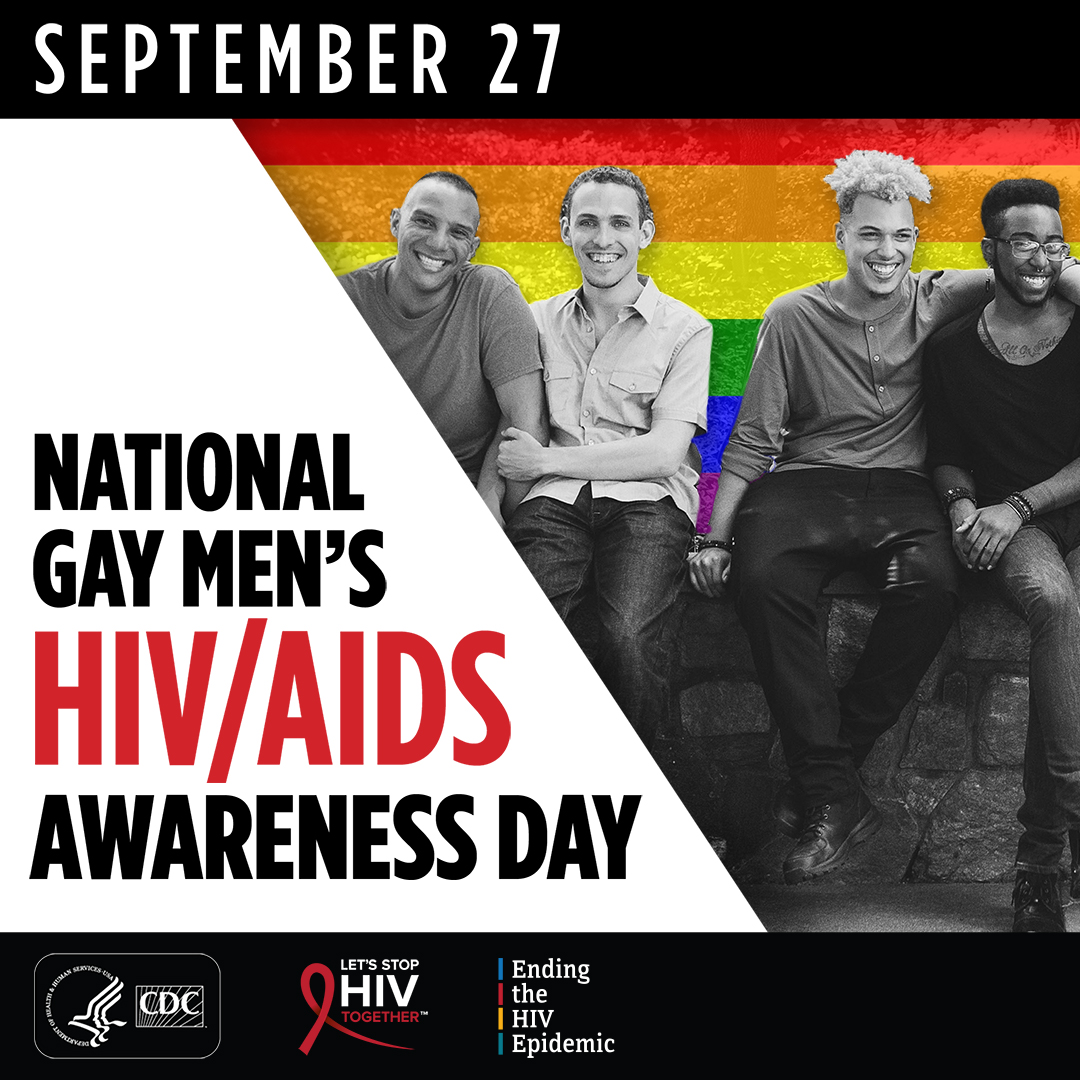
National Gay Men’s HIV/AIDS Awareness Day is Sept 27th

A letter from CDC’s Dr. Robyn Neblett Fanfair and Dr. Jonathan Mermin:

September 27 is National Gay Men’s HIV/AIDS Awareness Day (NGMHAAD), a day when we reaffirm our commitment to ending the disproportionate impact of HIV on gay and bisexual men in the United States.

Recently, encouraging progress shows declines in new infections among gay and bisexual men overall, as well as among many sub-groups most affected by HIV. However, gay and bisexual men continue to be most affected by HIV. Of the 31,800 estimated new HIV infections in the United States in 2022, 67% (21,400) were among this group. In 2022, almost half (47%) of new HIV infections among gay and bisexual men were in the South, and nearly 3/4 (73%) of those were among Black/African American and Hispanic/Latino men.https://www.hiv.gov/blog/cdc-observes-national-gay-mens-hiv-aids-awareness-day Let’s Stop HIV Together is a CDC campaign aimed at reducing HIV nationwied.

The annual number of estimated new HIV infections in 2022 compared to 2018 shows an overall decrease among gay and bisexual men of 10%. Age-specific trends reveal a 31% decrease among all young gay and bisexual men ages 13-24, and by region, a 16% decrease among gay and bisexual men who live in the South. Among Black/African American gay and bisexual men, there was a significant overall decrease of 16%, including a 26% reduction among young Black/African American men aged 13-24. Similarly, among white gay and bisexual men, there was a 20% overall decrease, including a 39% reduction among young white men aged 13-24. Cases among Hispanic/Latino gay and bisexual men remained stable, indicating a need for better understanding of the situation and improved support.

Read the full letter here and find resources for prevention and testing. You can also find HIV resources on on our testing page and our PrEP provider page. 

Government steps in to stop ongoing syphilis spike

M4M has been reporting on the constant uptick in syphilis cases in the U.S., especially amont gay and bi men. There are a lot of reasons why, but the bottom line is that, if you’re sexually active, you need to get tested–even if you don’t have symptoms. If you need to find a place to get tested, go to https://gettested.cdc.gov/ and search by zip code. Most places are free.

decorative image

From HIV Plus Magazine online (originally from CNN)…

More than 2.5 million cases of chlamydia, gonorrhea, and syphilis were reported in the United States in 2022 as the country’s epidemic of sexually transmitted infections continues to grow.

Chlamydia accounted for about two-thirds of the STIs that were reported in 2022, according to an annual report published Tuesday by the US Centers for Disease Control and Prevention. But while chlamydia cases held steady and reported cases of gonorrhea decreased in 2022, syphilis cases continued to climb to the highest level in decades, with a 17% percent jump in one year.

“Within the STI epidemic, syphilis is one infection that stands alone,” Dr. Laura Bachmann, acting director of the CDC’s Division of STD Prevention, said in a statement. “It has emerged as a unique public health challenge.”

Read the full article on HIVplusMag.com.

After-sex pill could reduce STIs

From CNN.com and HIVplusmagazine.com

As rates of sexually transmitted infections continue to skyrocket across the United States, a growing number of physicians are prescribing a commonly used antibiotic as a way to prevent chlamydia, gonorrhea and syphilis infections in gay and bisexual men and transgender women.

Doxycycline is a class of medications traditionally used to treat bacterial STIs after someone has been infected. Yet recent research suggests that one 200mg dose of the drug can be effective in preventing such infections among men who have sex with men if taken within 72 hours after unprotected sex.

This approach, called doxyPEP, has garnered so much attention that the US Centers for Disease Control and Prevention is expected to post draft guidance for public comment in the next several weeks on how health care workers may deploy the preventative treatment, such as how many pills should go into a prescription or which people could benefit most from the drug.

Go to HIVplusmagazine.com for the full article.

Black Gay Men and Trans Women Are Well Protected by Injectable PrEP

From POZ.com

Long-acting injectable cabotegravir (Apretude) offered greater protection than daily pre-exposure prophylaxis (PrEP) pills for Black gay and bisexual cisgender men and transgender women, but Black people still had higher HIV incidence rates compared with their white peers regardless of which type of PrEP they used, researchers reported at the 30th Conference on Retroviruses and Opportunistic Infections (CROI).

Adherence was higher with the every-other-month injections than with daily pills in both groups, suggesting long-acting PrEP could help close the racial gap in HIV rates. “[Apretude] is a powerful HIV prevention tool to increase access to PrEP and address continued racial disparities in HIV incidence in the United States,” Hyman Scott, MD, MPH, of the San Francisco Department of Public Health, and colleagues concluded.

Although African Americans make up about 13% of the U.S. population, they account for more than 40% of all new HIV diagnoses, so effective and acceptable prevention interventions are urgently needed. While white gay and bi men have readily adopted oral PrEP using tenofovir disoproxil fumarate/emtricitabine (Truvada and TDF/FTC generic equivalents) or tenofovir alafenamide/emtricitabine (Descovy), uptake has been lower among Black men.

Read the full article on POZ.

Research shows HIV still a prime concern for gay and bi men

From Infectious Disease Special Addition online…

“HIV continues to disproportionately affect gay and bisexual men, even though new HIV infections declined among this population during the last decade,” said Stephen M. Perez, PhD, a nurse epidemiologist in the CDC‘s Division of HIV Prevention and lead author of the MMWR article. 

“Also, progress in reducing new HIV infections among gay and bisexual men has not been equal—with factors like stigma, racism, discrimination, homophobia and others contributing to an unequal reach of HIV prevention and treatment and continued disparities.”

During 2018-2019, the CDC identified a number of concerning HIV clusters among MSM. By December 2021, 38 clusters that had been initially identified during 2018-2019 grew to include more than 25 people.

“The presence of a cluster suggests that HIV prevention and treatment have failed to reach a particular community, and that HIV is transmitting rapidly within that community,” Dr. Perez told Infectious Disease Special Edition

Read the full article.

Health Alert: Doctors Haven’t Seen So Many Cases of This STD in 72 Years

From hivplusmag.com

Syphilis, a bacterial disease that shows up as genital sores and can lead to other diseases and even death, showed a huge increase last year. The rate of syphilis cases reached its highest level since 1991, while the total number of cases rose to its highest level since 1948, just three years after World War II. HIV cases also rose 16 percent from 2020 to 2021.

Syphilis bottomed out in the U.S. in the late 1990s, with the CDC hoping to fully eradicate the disease. Only years later, syphilis rates would start rising; by 2021, more than 52,000 cases were reported.

Many factors could be at play, but officials believe the COVID pandemic is mostly at fault. Testing and treatment took a backseat during the worst days of the crisis in 2020, while many people now feel sexually unshackled with COVID vaccines available, lockdowns over, and mask mandates lifted. Some health officials are calling for public messaging about condoms. Monkeypox, which exploded this year and last, is also complicating efforts and eating up health funding from the government.

Read the full article.

PA Dept of Health: What You Need to Know About Monkeypox

From the PA Department of Health

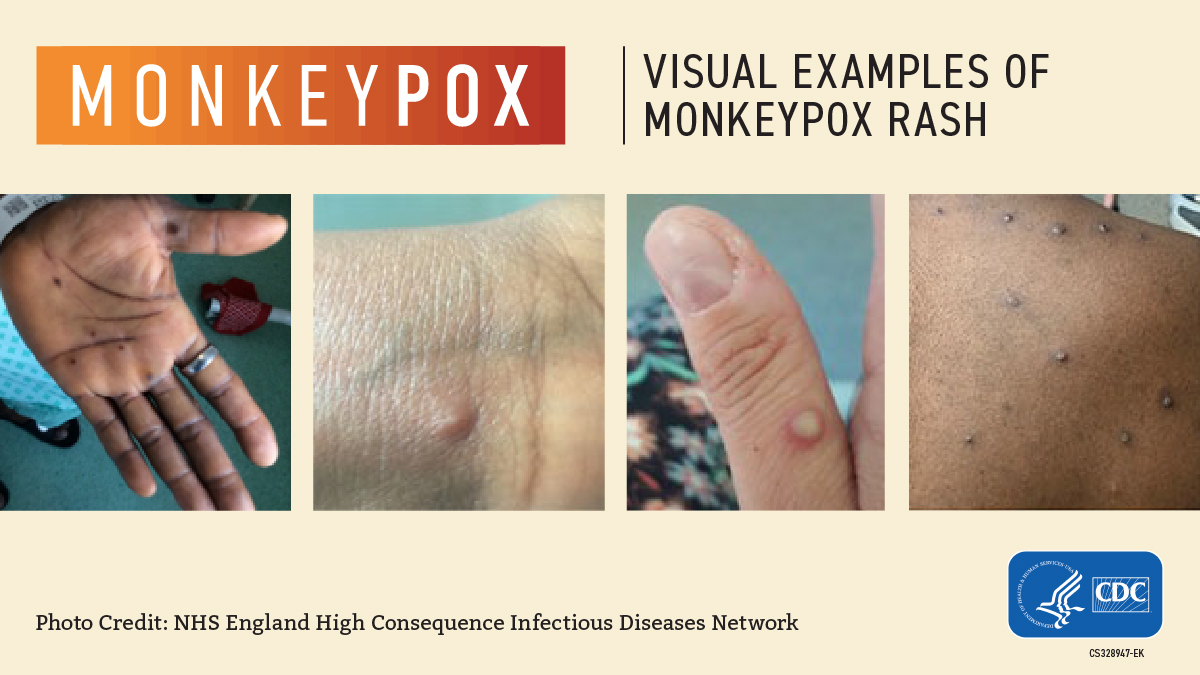
Monkeypox is not a sexually transmitted disease and does not spread easilyOpens In A New Window between people. However, anyone who has extremely close personal contact — mostly skin-to-skin — including direct contact with monkeypox rash, scabs, or body fluid from a person with monkeypox, can get it and should take steps to protect themselvesOpens In A New Window.  

Take the following steps to prevent getting monkeypox: 

  • Avoid close, skin-to-skin contact with people who have a rash that looks like pimples or blisters. 
  • Do not touch the rash or scabs of a person with monkeypox. 
  • Do not kiss, hug, cuddle or have sex with someone with monkeypox. 
  • Do not handle or touch the unwashed bedding, towels, or clothing of a person with monkeypox. 
  • Wash your hands often with soap and water or use an alcohol-based hand sanitizer, especially before eating or touching your face and after you use the bathroom. 
  • Do not share eating utensils or cups with a person with monkeypox. 
  • If you have symptoms or test positive, isolate yourself until the rash heals to avoid transmitting monkeypox to others.

If you think you have developed monkeypox (if you have symptoms), please talk to your healthcare provider or contact 877-PA-HEALTH. Providers can help ensure you are tested if appropriate, and if necessary, receive treatment for monkeypox. If you test positive you will need to isolate (avoid contact with others) until the rash heals. 

If you have been exposed to someone who has monkeypox, you may need to receive the vaccine, although not everyone will need a monkeypox vaccine.

Read the full article.

For more information on monkeypox, the Pennsylvania Department of Health also provides a monkeypox FAQ sheet.

Health Alert – Cases of Monkeypox Reported in U.S. 

Cases of monkeypox have been identified in travelers from countries where the disease is considered an endemic. As a result, the Centers for Disease Control and Prevention (CDC) has issued a Health Advisory in the United States.  

As of June 3rd, 21 cases in the U.S. have been confirmed or suspected, including one case in Pennsylvania. As per the State Department of Health, there is a possibility the disease may spread.  Monkeypox symptoms involve a characteristic rash, preceded by a fever, swelling of the lymph nodes, and other non-specific symptoms such as malaise, headache, and muscle aches. In the most recent reported cases, symptoms included lesions in the genital and anal regions. Note that the disease may be confused with more commonly seen infections like syphilis, chancroid, and herpes. The average incubation period for symptom to develop is 5 to 21 days.
Human-to-human transmission occurs through large respiratory droplets and by bodily fluids (like saliva and semen that can be transmission during sex) or coming in direct contact with a lesion. Respiratory droplets generally cannot travel more than a few feet, so prolonged face-to-face contact (like kissing) is more likely to spread the disease.  

There is no specific treatment for monkeypox virus infection. However, the CDC reports that antivirals used to treat smallpox may prove beneficial. Monkeypox is generally mild and patients recover in a few weeks. The mortality rate is less than 1 percent in developed countries. There have been no deaths related to the monkeypox cases in the US so far.

There are FDA approved vaccines available to prevent monkeypox but these are not commercially available but are being made available to close contacts of known cases.

If you think you may be infected, contact your doctor’s office or local hospital first, for instructions. Going into your doctor’s office, or an emergency room, risks spreading the disease.  

For more information about monkeypox, you can go to the CDC’s Health Advisory page. (https://wwwnc.cdc.gov/travel/notices/alert/monkeypox) 

May 19th is National Asian & Pacific Islander HIV/AIDS Awareness Day

From HIV.gov

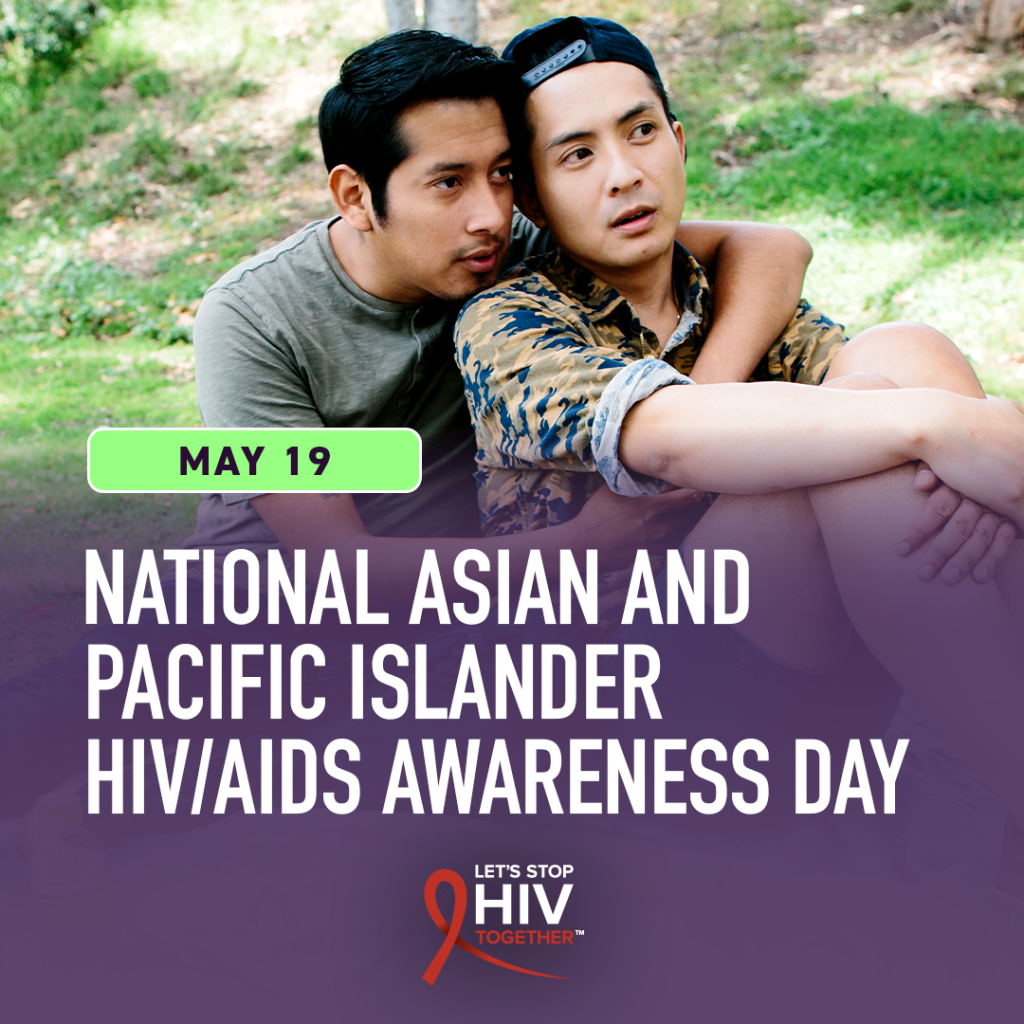
May 19th is National Asian & Pacific Islander HIV/AIDS Awareness Day. This observance, led by the San Francisco Community Health Center, raises awareness of the impact of HIV and AIDS, risk, and stigma surrounding HIV in the Asian Pacific Islander (API) community. 

In recent years, annual HIV diagnoses have increased among some in the API community, such as API young adults and men who have sex with men. Knowing your status gives you powerful information so that you can take steps to lower your HIV risk and take charge of your health. Use the HIV Testing Sites & Care Services Locator to find a clinic near you or select from the self-testing options available.
In addition, the CDC Let’s Stop HIV Together campaign offers resources that promote testing and treatment for Asian Americans, Native Hawaiians, and other Pacific Islanders.

Read the full article on HIV.gov.

Yes, Black men who have sex with men are at higher risk for getting HIV

m4m sometimes gets a fair amount of flak when we report that Black men who have sex with men have higher rates of new HIV infection as compared to other communities.

But the research is clear:
https://www.cdc.gov/nchhstp/newsroom/docs/factsheets/cdc-hiv-aa-508.pdf

The reason for it, in short, is due to issues like institutionalized racism in our health care system. So when we say Black men need to get tested for HIV, we’re not trying to stigmatize any particular group of people, we’re trying to get the word out so Black men can get tested and protect their health. Two Black men in an embrace

To address the problem, m4m (as part of the HIV Prevention and Care Project) is helping to provide free HIV self-test kits to anyone who resides in Pennsylvania. Kits are sent in the mail, in an unmarked package. Testing is easy and you get results in twenty minutes. Go to www.getmyHIVtest.com to order your kit. Knowing your status will protect you and your community, Black or white.

CDC urging gay and bisexual men to get the meningococcal vaccine after an outbreak in Florida

From USA Today

The U.S. Centers for Disease Control and Prevention is urging gay and bisexual men to get the meningococcal vaccine after an outbreak in Florida has led to an increase in cases. 

Multiple meningitis cases have been reported across the state in the past few months, and some involved college students and those living with HIV, according to a news release from the CDC

“Anyone who has been exposed or develops symptoms should be evaluated by a health care provider right away,” the release from the Florida Department of Health of Leon County said. “This is a rare but potentially devastating infection.”‘

Read the article on USA today.

Get a free HIV self-test kit delivered to your home

The Pennsylvania Department of Health, in partnership with the Pennsylvania Expanded HIV Testing Initiative (PEHTI) and the HIV Prevention and Care Project (HPCP), has introduced HIV Self-Testing (HST) for individuals who reside in Pennsylvania (excluding Philadelphia County). The goal of the getmyHIVtest.com program is to help people get tested who wouldn’t otherwise go to their doctor or to a testing clinic.  

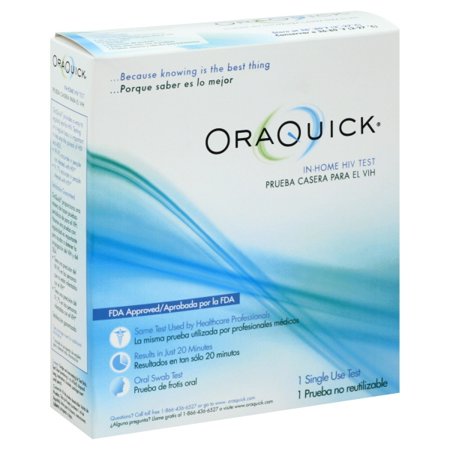
Tests are available from the website getmyhivtest.com. Individuals are asked to read the information on the website and answer a few questions in order to receive an FDA-approved, OraQuick home HIV test kit mailed to their provided address. Support for clients who request and administer the HIV self-test is available through OraQuick and the HPCP, as noted on the website.   

Individuals who reside in Philadelphia County should visit PhillyKeepOnLoving.com to order the HIV Self-test kit and for additional information about testing from the Philadelphia Department of Public Health.   

If you have any questions, please send an email to info@getmyHIVtest.com.  

How the COVID-19 pandemic is affecting another epidemic among teens: STDs | Expert Opinion

2020 marks the fifth consecutive year of increasing rates of gonorrhea, chlamydia and syphilis in the U.S.

From The Philadelphia Inquirer

While the eyes of the nation are on the coronavirus pandemic, another threat to public health has been steadily growing in the United States. We’ve been battling rising rates of sexually transmitted infections (STI) for the last several years. In fact, 2020 marks the fifth consecutive year of increasing rates of gonorrhea, chlamydia and syphilis in the U.S., due in part to significant funding cuts to more than 50% of the nation’s public health STI programs. And now the COVID-19 pandemic has placed an even greater burden on our strained public health system and supply chains, shifting focus from one major public health issue to another.

virus and bacteria images

We can’t risk losing one critical resource that will be essential to ending the STI epidemic — the availability of free and confidential STI testing for adolescents. Prior to the pandemic, national public health efforts were scaling up to improve STI and HIV testing, and quickly link youth to prevention services.  Rapid identification and treatment of STIs not only has public health benefits in terms of lowering transmission, but when left untreated, STIs increase the risk of infertility, severe pelvic infection, chronic pelvic pain, ectopic pregnancy and HIV transmission.

While accounting for 25% of the population, adolescents and young adults comprise over 50% of STIs in the U.S. each year. Black, Latinx, and LGBT youth face the greatest burden of infections and risk of complications. Fortunately, significant advances have been made over the last several decades to improve rates of STI and HIV testing among adolescents and young adults. The American Academy of Pediatrics now recommends HIV screening by the age of 16-18 years for all youth regardless of their sexual activity.

Read the full article.

CDC 2018 report: Black/African American gay and bi men still have the highest rates of new HIV infections.

From the Centers for Disease Control and Prevention

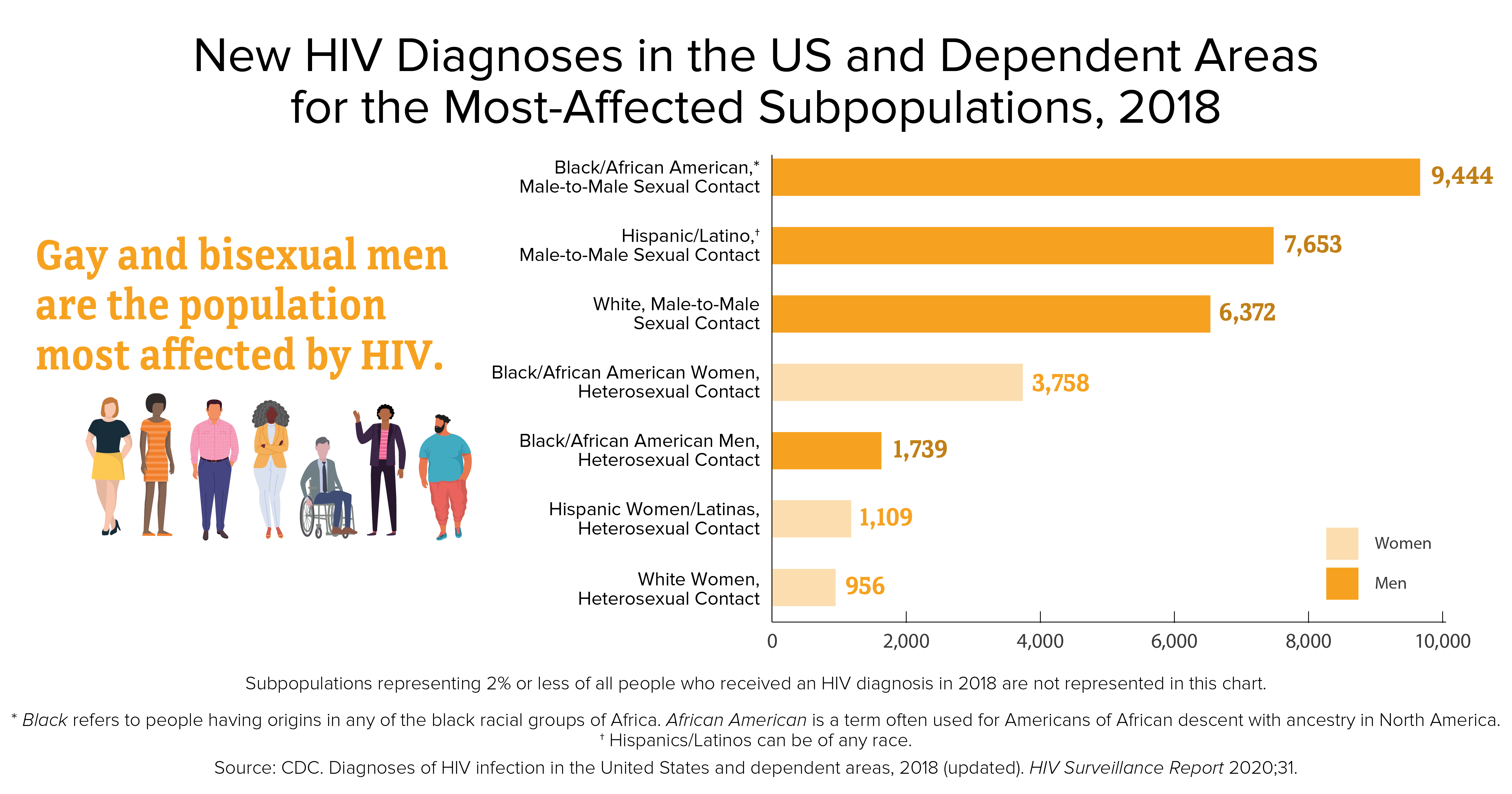
In 2018, 37,968 people received an HIV diagnosis in the United States (US) and dependent areas. From 2014 to 2018, HIV diagnoses decreased 7% among adults and adolescents. However, annual diagnoses have increased among some groups.

Info graphic showing Black / African American men still have the highest rates of H I V infection as of 2018 according to the latest C D C report
click to enlarge graph

Gay and bisexual men are the population most affected by HIV, with Black/African American, Hispanic/Latino gay and bi men having the highest rates of new infections.

The number of new HIV diagnoses was highest among people aged 25 to 34.

Source: CDC. Diagnoses of HIV infection in the United States and dependent areas, 2018 (updated)HIV Surveillance Report 2020;31.

Health screening for gay men on PrEP falling behind recommended standards

From aidsmap.com

Levels of sexual health screening among gay men taking PrEP fall well below recommended levels, investigators from the United States report in the online edition of Clinical Infectious Diseases.  Rates of testing for sexually transmitted infections (STIs) in the rectum and throat – which can be asymptomatic – were especially low, so too testing coverage in south-eastern US states which have an especially high burden of HIV and STI infections among gay and other men who have sex with men.

“Consistency of STI screening at PrEP care visits was lower than recommended, especially for rectal and pharyngeal infections that are mostly asymptomatic,” write the authors. “Our findings also highlight the regional variation in gaps between recommendations and PrEP clinical practice overall, and raise concerns about whether comprehensive PrEP care as currently practiced would be effective for STI control.”

Tenofovir-based PrEP is highly effective at preventing infection with HIV but the treatment provides no protection against STIs. Pre-existing research shows elevated STI rates among PrEP-using gay men, probably the result of increased surveillance and sexual risk behaviour. The Centers for Disease Control and Prevention (CDC) therefore recommends that gay men taking PrEP should have comprehensive check-ups for bacterial STIs every three to six months. These sexual health screens should include tests for chlamydia, gonorrhoea and syphilis, with swabs or samples taken from the urethra, throat and rectum.

Read the full article.

Health Alert: HHS rule encourages discrimination and endangers LGBTQ health

A message from the Gay and Lesbian Medical Association

Earlier today the Department of Health and Human Services released a final rule that eliminates federal regulations ensuring nondiscrimination in healthcare for transgender people and LGB people, people who are pregnant or seeking an abortion, those who require healthcare services in a language other than English, and other marginalized communities. In its announcement, HHS noted it was “restoring the rule of law” by interpreting sex discrimination “according to the plain meaning of the word ‘sex’ as male or female and as determined by biology.”

GLMA President Scott Nass, MD, MPA, issued the following statement in response:

“It is unconscionable that the Administration would take this action to encourage and promote discrimination during a pandemic that is already severely impacting vulnerable communities, including LGBTQ people. The fear of discrimination can have very real health consequences, especially in a public health crisis. These discriminatory measures are not only cruel, they also undermine public health and will assuredly result in poorer health outcomes for LGBTQ people.

“The rule stands in contradiction to prevailing medical science regarding transgender health and the consensus of all the leading health professional associations who have consistently opposed this measure. Healthcare providers in fact are united by the evidence in their support for nondiscrimination protections in healthcare for transgender and LGBQ people.

Second Open Letter on COVID-19 Focuses on Nondiscrimination, Data Collection and Economic Harm for LGBTQ Communities

From the Gay and Lesbian Medical Association

On April 21, 2020, GLMA, Whitman-Walker Health, the National LGBT Cancer Network, the National Queer Asian Pacific Islander Alliance, the New York Transgender Advocacy Group, and SAGE issued a second open letter to public health officials, healthcare institutions and government leaders on the impact of COVID-19 on LGBTQ communities. The letter, joined by 170 organizations, called for action to protect LGBTQ patients from discrimination and to include sexual orientation and gender identity in data collection efforts related to the pandemic. The letter also called for action to address the economic harm to LGBTQ communities from the pandemic.

To read the full second open letter and list of signatories, click here.

The letter released on April 21 is a follow-up to an open letter signed by more than 150 organizations issued by the six coordinating organizations on March 11, 2020. Information on the first letter is available here.

Important COVID-19 Resources:

How does COVID-19 impact LGBTQ2 communities?

From Xtra.com

As the COVID-19 pandemic threatens the health of people and of economies worldwide, many in the global LGBTQ2 decorative imagecommunity sense a particular vulnerability to the pandemic’s immediate and downstream effects. In response, many are coordinating efforts to care for their own communities, often modeling their strategies on lessons learned from HIV/AIDS advocacy.

“One of the things I’m very concerned about is the social safety net,” says Charles Stephens, the director of The Counter Narrative Project, a Black gay men’s advocacy organization based in Atlanta, Georgia. Indeed, systematic employment discrimination could make the potential economic and health-related fallout of COVID-19 a greater threat to queer communities.


Read the full article.

Health Alert: LGBT people may be at higher risk from COVID-19

From the Bay Area Reporter

More than 100 organizations sent an open letter to medical groups and the news media stating that LGBT people are at greater risk from the novel coronavirus due to other social and medical issues that affect the LGBT community.

Scout, who goes by one name, is a bisexual and trans man who is the deputy director of the National LGBT Cancer Network. That organization took the initiative on drafting the letter, which was released March 11, and gathering co-signers.

Scout is the deputy director of the National LGBT Cancer Network

Local organizations that signed the letter include Equality California, Horizons Foundation, National Center for Lesbian Rights, the San Francisco LGBT Community Center, and the Transgender Law Center.

The letter highlights three issues that may put LGBTs at greater risk during the COVID-19 epidemic: higher tobacco use than among the general population, higher rates of cancer and HIV-infection, and instances of discrimination on account of sexual orientation and gender identity (COVID-19 is the respiratory disease caused by the novel coronavirus.)

“We’re really concerned because we know that whenever there’s a health issue, the pre-loaded issues in our community create an issue for us,” Scout, a Ph.D., said in a phone interview with the Bay Area Reporter March 16. “We have more social isolation, more smoking. But we know how to offset that. As coronavirus expands so fast, we wanted to let the public health community know we can take steps to avoid another health disparity.”

Read the full article on the Bay Area Reporter Website.