
Is oral sex safe?

One of the most often asked questions regarding sex and HIV is “can I get HIV from oral sex without using a condom?”

The short answer is yes. Although a lot of sexual health experts put oral sex into the “safer sex” category, there is a degree of risk. Using condoms for oral sex is your safest bet.  With that said, if you’re not going to use a condom, the following are ways to reduce your risk even more: 

  • Don’t brush or floss your teeth for at least an hour before giving head. You can use a mouthwash, breath mint, or gum instead. This will keep the number of tears and cuts in our mouth to a minimum.
  • Try not to eat abrasive foods (like tortilla chips, French bread, pretzels, etc.) for the same reasons.
  • In general, it’s also a good idea to maintain excellent oral hygiene to prevent the possibility of easy tears/cuts in the mouth. If your gums bleed when you brush, you need to step up your oral hygiene—talk to your dentist about what to do.  
  • Avoid getting semen in your mouth; semen contains active HIV. If you do get semen in your mouth, as the saying goes, “Swallow or spit, just don’t let it sit.” The longer semen in your mouth, the more potential for HIV to find an entry point into your body.
  • Avoid deep throating since this can cause abrasions in the throat. Pre-cum/semen can come into contact with these abrasions, creating an effective entry point for HIV infection.

For more information about oral sex and HIV, you can check out the following links: http://www.cdc.gov/hiv/resources/factsheets/pdf/oralsex.pdf and http://www.thebody.com/Forums/AIDS/SafeSex/Q9080.html

 

Gay men at risk for antibiotic-resistant gonorrhea

A new editorial published in the New England Journal of Medicine brings to light the concern for the rising rate of antibiotic-resistant gonorrhea in the U.S.

What is Gonorrhea and why am I at risk?

Gonorrhea is the second most commonly reported sexually transmitted infection in the United States, with an estimated 600,000 plus cases every year. It disproportionately affects vulnerable populations such as minorities who are marginalized because of race, ethnic group, or sexual orientation. Men who have sex with men, for example, are among the populations hardest hit by the disease.

Gonorrhea is caused by Neisseria gonorrhea, a bacterium that grows and multiplies quickly in moist, warm areas of the body such as the cervix, urinary tract, mouth, or rectum.

What are the symptoms?

Symptoms include burning while urinating, discharge, and pain during intercourse. Symptoms of rectal infection include anal itching, and sometimes painful bowel movements. Symptoms usually appear two to five days after contracting the infection, although in some cases there may be no symptoms at all, particularly with rectal infection.

What is the danger of infection?

Men with untreated gonorrhea may develop Epididymitis (an inflammation of the epididymis-the long, tightly coiled tube that lies behind each testicle and collects sperm), an inflammation of the prostate gland (prostatitis), and a higher risk of getting bladder cancer.

What can I do?

Most forms of Gonorrhea can still be treated effectively with antibiotics. However, the best defense is still a good offense. Condoms are still your best bet to keep from getting infected in the first place. Limiting the number of sexual partners also helps in preventing the spread of sexually transmitted infections. If you think you may be infected, see a doctor for a proper diagnosis and treatment.

For more information:

New England Journal of Medicine
WebMD
Centers for Disease Control and Prevention


Health Alert – Shigella

Since mid-2011, the Pennsylvania Department of Health has received a number of reports of shigellosis due to Shigella flexeri, a species of Shigella that is infrequently diagnosed in Pennsylvania. The cases have occurred in the southeastern part of the state among men who have sex with men (MSM) who may or may not be HIV-positive.

What is Shigella?

Shigella is one of the bacterial agents that causes acute diarrhea. Symptoms often include cramping, fever and vomiting. The infection spreads easily from person to person by the fecal-oral route since a very small number of organisms are necessary to produce transmission.

How do you catch Shigella?

The Pennsylvania Health Alert Network reports “Shigella outbreaks have been previously reported in MSMs and are usually correlated with having multiple partners combined with unprotected high-risk sexual behavior. The fact that some of these patients are also HIV infected raises added concerns, not only due to the potential for transmission of HIV and other sexually transmitted infections through the same high risk behaviors, but also because immune-compromised individuals can have extended carriage of Shigella.” 

What can you do?

Persons with diarrhea usually recover completely, although it may be several months before their bowel habits are entirely normal. Once someone has had shigellosis, they are not likely to get infected with that specific type again for at least several years. However, they can still get infected with other types of Shigella. Currently, there is no vaccine to prevent shigellosis. However, the spread of Shigella from an infected person to other persons can be stopped by frequent and careful hand-washing with soap.

For more information about Shigella, you can go to the Centers for Disease and Control and Prevention Website.

Syphilis up among minority gay, bisexual men

From Reuters.com

Syphilis is a sexually transmitted bacterial infection that can be easily cured with antibiotics in the early stages. But many people do not have symptoms early on, or don’t recognize the symptoms, and continue to transmit the infection. In the U.S., syphilis has been on the rise since 2000, when the national rate hit an all-time low of 2.1 cases per 100,000 people.

That increase has been largely among men, who had a rate of just under 8 cases per 100,000 in 2009 (versus 1.4 cases per 100,000 women), according to the CDC. And studies have suggested that gay and bisexual men now account for a majority of new syphilis cases.

Health officials are concerned about the resurgence not only because of syphilis itself, but also because the infection makes people more vulnerable to contracting HIV, the virus that causes AIDS.

Now the new findings, reported in the Annals of Internal Medicine, show that minorities — and young men, in particular — are being hit hardest by syphilis.

To read the full story, go to Reuters.com.

Syphilis still a danger to gay and bi men in PA

Almost a year ago, the Pitt Men’s Study sent out an alert about the rise in Syphilis cases in Pennsylvania. Unfortunately, the number of new infections is still on the rise. The disturbing fact is that the surge is being driven by cases among men who have sex with men (MSM).

Signs of Syphilis

Syphilis usually begins with the appearance of a sore (called a chancre) about 10 to 90 days after exposure. The chancre is usually
firm, round, small, and painless. The chancre lasts 3 to 6 weeks, and it heals on its own. However, the infection doesn’t go away without proper treatment.

As the disease progresses, it can include fever, swollen lymph glands, rash, sore throat, patchy hair loss, headaches, weight loss,
muscle aches, and fatigue. The signs of this “secondary stage” of syphilis will resolve with or without treatment, but, again, it doesn’t go away.

In its later stages, years later, the disease can cause damage to internal organs, the brain, nerves, eyes, heart, blood vessels,
liver, bones, and joints. Signs and symptoms of the “late stage” include difficulty coordinating muscle movements, paralysis, numbness, gradual blindness, and dementia. This damage may be serious enough to cause death.

What can you do?

Get tested. Syphilis is easily cured in its early stages. A single injection of penicillin will cure a person who has had syphilis for less
than a year.

For more information about MSM and syphilis, you can go to the CDC’s Syphilis and MSM web page

You can also go to the STD testing resource page. Enter your zip code to find testing centers near you.

People living with HIV disproportionately affected by hepatitis

From blog.AIDS.gov:

People living with HIV who are also living with viral hepatitis are at increased risk for serious, life threatening complications.  As a result, all persons living with HIV should be tested for Hepatitis B and Hepatitis C by their doctors. Co-infection with hepatitis may also complicate the management of HIV infection.

In order to prevent co-infection with Hepatitis B, the Advisory Committee on Immunization Practices recommends universal Hepatitis B vaccination of susceptible patients with HIV/AIDS.  Hepatitis A and Hepatitis B vaccines are also recommended for all men who have sex with men, users of illicit drugs, and others at increased risk of infection. There is no vaccine for Hepatitis C.

You can also read the full article on the Pitt Men’s Study Website.

HPV in half of U.S. men

From the Huffington Post:

“A study out yesterday in The Lancet by Moffitt Cancer Center researcher Anna Giuliano, Ph.D., and her colleagues finds that 50 percent of men ages 18 to 70 in Brazil, Mexico, and the U.S. have genital infection with human papillomavirus, or HPV. HPV is the virus that causes cervical cancer in women. It also causes warts and cancer of the genitals and anus in both men and women.”

The article goes on to state:

“An infection rate of 50 percent for a virus that can cause cancer sounds scary. But knowing a few more facts about HPV helps put the risk in perspective. About 90 percent of men and women infected with HPV virus get rid of it on their own within about two years. There are many different strains of HPV — some that cause cancer and some that don’t. Only about 6 percent of men have genital infection with HPV 16 — the strain linked to more than 90 percent of cancers of the head and neck. And only about 0.6 percent of men have HPV 16 in specimens taken from their mouths; what percentage of those men go on to develop head and neck cancer is unknown.”

To get tested for HPV that might cause anal cancer, you can talk to your doctor or call the Anal Dysplasia Clinic
at UPMC, Falk Medical Building, 7th Floor. Their number is 412-647-7228.

20% of gay men have HIV and nearly half don’t know they’re infected

Men who have sex with men (MSM) still make up the largest percentage of new HIV infections in the U.S. Despite the grass-roots effort to educate gay and bi men since the 1980’s, the number of new infections continues to rise. A recent study conducted by the Centers for Disease Control and Prevention makes the issue clear.

From the Centers for Disease Control and Prevention (CDC) Website…

The CDC estimates that more than one million people are living with HIV in the United States. One in five (or 21%) don’t know they’re infected. Despite increases in the total number of people living with HIV in recent years, the annual number of new HIV infections has remained relatively stable. However, that still means an estimated 56,300 new infections per year. 

 More than 18,000 people with AIDS still die each year in the US. Gay, bisexual, and other MSM are strongly affected and represent the majority of persons who have died. Gay, bisexual, and other MSM of all races remain the population most severely affected by HIV. Here are some facts you need to know:

  • MSM account for more than half (53%) of all new HIV infections in the U.S. each year, as well as nearly half (48%) of people living with HIV.
  • While CDC estimates that MSM account for just 4% of the US male population aged 13 and older, the rate of new HIV diagnoses among MSM in the US is more than 44 times that of other men and more than 40 times that of women.
  • White MSM account for the largest number of annual new HIV infections of any group in the US, followed closely by black MSM.
  • MSM is the only risk group in the U.S. in which new HIV infections have been increasing since the early 1990s.

What can you do?

The first thing you can do is get tested. Second, practice safer sex. I know we’re all tired of hearing this but clearly the message still needs to be broadcast loud and clear. There are any number of online resources that will help you to play safe and stay healthy. Just using a condom is only a small part of what you need to know. In addition to our own HIV Education page, you can go to any one of these links to educate yourself and to protect your health:

The Body.com education page   

About.com’s page for gay teens

To check out the CDC’s full report, you can go to the CDC’s Website.

To subsribe to the Pitt Men’s Study Health Alerts, send an email to rgy2@pitt.edu with the word subscribe in the subject line.

Health Alert – N9

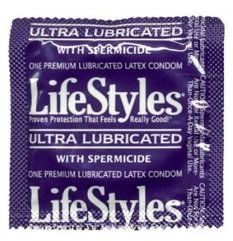
Nonoxynol-9 (or N-9) was created in the 1980’s as a spermicide—a method of contraception. The substance was also thought to prevent sexually transmitted diseases and it even killed HIV (the virus that causes AIDS) in test-tube studies. As a result, many gay and bisexual men who engaged in anal sex adopted the use of condoms and lubricants containing N-9 as a means to prevent HIV. Increased Risk for HIV Infection More recently, however, researchers have discovered N-9 can damage the lining cells of the rectum during anal sex, making a person more susceptible to contracting HIV.

What’s so troubling is that men who have sex with men are either unaware of this danger or don’t believe the danger actually exists. In fact, a study performed in San Francisco found that one quarter of respondents reported using lubricants containing N-9 despite repeated warnings from the Centers for Disease Control and Prevention, the World Health Organization and the Gay and Lesbian Medical Association to not use N-9 when engaging in anal intercourse. What Can You Do? Don’t use lubricants, condoms, or any other product that contains N-9. If the package says “spermicidal lubricant” on the box avoid it! The best way to prevent HIV infection when engaging in anal intercourse is to use latex condoms and water-based lubricants.  To learn more about N-9, you can go to this informative page on About.com.

Health Alert – Testicular Cancer

Testicular cancer is the most common cancer in men between 20 and 34 years old. It is a disease in which cancer forms in one or both testicles. The testicles are 2 egg-shaped glands inside the scrotum (a sac of loose skin that lies directly below the penis). They are the male sex glands that make testosterone and sperm.

Risk Factors

There are factors that raise a man’s risk of getting this disease:

  • An undescended testicle – One or both testicles don’t move from the abdomen into the scrotum during fetal development.
  • Certain types of moles – An unusual condition that causes many spots or moles on the back, chest, abdomen and face.
  • HIV Infection – Men infected with HIV have an increased risk, especially true for men who have AIDS.
  • Carcinoma in situ (CIS) – CIS is a condition in which germ cells grow into a tumor but does not yet invade normal tissues. CIS in the testicles may become cancer over a number of years and does not cause a lump or any symptoms.
  • Young age – Young men have a higher risk of getting testicular cancer. It is the most common cancer between the ages of 20 to 34, the second most common cancer between the ages of 35 to 39, and the third most common cancer between the ages of 15 to 19.
  • A personal history of testicular cancer – Men who already had testicular cancer have a higher risk of developing a tumor in the other testicle.
  • A family history of testicular cancer – Men with a family history of testicular cancer may have a higher risk of developing testicular cancer.
  • Congenital abnormalities – Men born with abnormalities of the testicles, penis, or kidney, as well as those with a hernia in the groin area, where the thigh meets the abdomen, may be at increased risk.

Signs

Possible signs of testicular cancer include:

  • a painless lump or swelling in either testicle
  • heaviness or aching in the abdomen or scrotum
  • pain or discomfort in a testicle or in the scrotum
  • dull ache in the lower back, abdomen, or groin

 Treatment

If testicular cancer is found, the treatment depends on the stage of the cancer. Three standard treatments are used:

  • Surgery. Surgery removes the testicle and some of the lymph nodes (organs that fight infection). Tumors that have spread to other places in the body may be partly or entirely removed by surgery.
  • Radiation therapy. High-energy x-rays or other types of radiation kill cancer cells.
  • Chemotherapy. Drugs are used to stop the growth of cancer cells, either by killing the cells or by stopping the cells from dividing.

Self Exam

Most men find the cancer in their testicles themselves. This fast and simple exam can help you find this cancer early. Do the exam after a warm bath or shower every month. Also ask your health care provider to do a testicular exam as part of your regular checkup.   

The Testicular Cancer Resource Center provides information about how to do a testicular cancer self examination.  Go to http://tcrc.acor.org/tcexam.html for more information. 

For more information, go to…

National Cancer Institute: http://www.cancer.gov/cancertopics/factsheet/sites-types/testicular

Syphilis Outbreak – originally posted in April of 2008

Officials at the Centers for Disease Control and Prevention (CDC) recently reported that syphilis rates continued to rise in 2007. The disturbing fact is that the surge is being driven by cases among men who have sex with men (MSM), who accounted for 64 percent of the known syphilis infections last year.  That’s up from five percent in 1999. It is important to note that Symptoms of syphilis can go unnoticed or misdiagnosed. The CDC’s website notes: “Many people infected with syphilis do not have any symptoms for years, yet remain at risk for late complications if they are not treated. […] Thus, transmission may occur from persons who are unaware of their infection.” 

 What is the danger?

Syphilis is especially worrisome because, if it goes untreated, it can lead to serious health conditions later on in life.  It can also complicate other infections such as HIV.  It is also important to note that Syphilis can be transmitted through a variety of sexual acts, not just intercourse.  So a condom won’t necessarily protect you. 

Signs of Syphilis

Syphilis usually begins with the appearance of a single sore (called a chancre), but there may be multiple sores. The time between infection with syphilis and the start of the first symptom can range from 10 to 90 days. The chancre is usually firm, round, small, and painless. The chancre lasts 3 to 6 weeks, and it heals on its own. Note, however, that the infection doesn’t’ go away without proper treatment.

As the disease progresses, it may include fever, swollen lymph glands, rash, sore throat, patchy hair loss, headaches, weight loss, muscle aches, and fatigue. The signs of this “secondary stage” of syphilis will resolve with or without treatment, but, again, it doesn’t go away.

In its later stages, many years after the initial infection, the disease can cause damage to internal organs, the brain, nerves, eyes, heart, blood vessels, liver, bones, and joints. Signs and symptoms of the “late stage” include difficulty coordinating muscle movements, paralysis, numbness, gradual blindness, and dementia. This damage may be serious enough to cause death.

What can you do?

Get tested.  All sexually active MSM should receive testing for a wide range of sexually transmitted diseases at least once a year (as recommended by the CDC).

You’re not going to hear much about this in the mainstream media and, chances are, your doctor isn’t going to recommend being tested for an STD. So it’s up to you to take matters into your own hands. Syphilis is easily cured in its early stages. A single injection of penicillin will cure a person who has had syphilis for less than a year. Additional doses are needed to treat someone who has had syphilis for longer than a year. For people who are allergic to penicillin, other antibiotics are available.    

Your doctor can perform the test for syphilis. The Allegheny County Health Department also provides free testing. You can find other local testing sites (some will maintain your anonymity) at http://www.stopHIV.com in the drop-down resources menu, under “PA Service Providers.”    

For more information about MSM and syphilis, you can go to the CDC’s Syphilis and MSM web page

HPV and Men – originally posted January 2008

What is HPV?

Human papillomavirus (HPV) is a sexually transmitted disease that infects the genital area of both men and women (including the skin on and around the anus). Over half of the men in the United States will have HPV at some time in their lives.  Often the virus clears up on its own without a health problem but, depending on the strain of HPV, it can cause genital or anal warts.  Some strains of HPV can also cause abnormal changes in cells which can become precancerous and result in cancer of the penis or anus. HIV positive men are more likely to get severe and prolonged cases of genital warts which may be resistant to treatment. 

How is HPV spread?

HPV is passed through vaginal or anal intercourse but can also be spread through simple skin to skin contact.  Because HPV infections often don’t have symptoms, they can be passed on unknowingly. 

What are the symptoms?

Genital warts are the first symptoms seen with low-risk strains of HPV infections.  They are soft, raised growths that are usually painless.  These lesions can also appear in the mouth and throat, although this is rare.  Warts usually take 3 weeks to 6 months to appear after exposure but, in some cases, can also take years. 

What can I do?    

If you are diagnosed with HPV, it is important to tell your sexual partner(s).  Transmission of HPV can be minimized by finding alternative ways to express intimacy and avoiding contact with a wart.  Condoms are also effective for preventing infection with HPV if they are used correctly and consistently.  However, genital warts not covered by a condom can still transmit the virus 

High Rate of Hepatitis C Infection in Gay Men

Recent outbreaks of the Hepatitis C virus (HCV) among men who have sex with men have been reported in Europe and the United States. Doctors believe that a significant number of cases were transmitted through sexual contact. “This finding is alarming,” says Pitt Men’s Study Physician Assistant Kristen D’Acunto. “HCV is usually associated with injection drug use because it’s primarily spread through exposure to infected blood.”

Information posted on the Website Stopaids.org suggests the high rate of infection among gay men may be the result of rough anal play. “‘Rough anal play’ relates to the specific sexual practices of gay men involved in the initial research, who were also HIV-positive,” explained Dr. Ross Cranston, the Pitt Men’s Study Medical Director. “This finding makes sense since these practices are more likely to result in mucosal tears resulting in bleeding, and so increase the risk for HCV transmission.”

Symptoms of acute HCV include jaundice, fatigue, abdominal pain, dark urine, loss of appetite and nausea. “It is also possible to have no symptoms at all,” D’Acunto is quick to point out. “Currently there is no vaccine and treatment is both difficult to undertake and has a limited success rate in HIV-positive individuals. So it’s important to use a condom during anal sex. It’s also important to get tested for HCV so that you can learn how to avoid spreading it to others.”  

“HCV infection is determined by a simple blood test,” adds Dr. Ross Cranston. “If it comes back positive, that means you have been infected with the virus. It’s important to note that some people recover from HCV without treatment. However, most people are chronically infected, which means the virus is in your system permanently. These are the folks that can go on to experience disease progression with abnormal liver function, the development of cirrhosis, and ultimately liver cancer.” 

Form more information about HCV, you can go any of these helpful links:

http://www.hivandhepatitis.com/

http://www.thebody.com/content/art6050.html

http://www.stopaids.org/news/hepc.pdf