The use of PrEP can help reduce anxiety and provide greater ‘peace of mind’

American gay men who have chosen to take pre-exposure prophylaxis (PrEP) are aware of their own risk of being exposed to HIV and see PrEP as providing ‘an extra layer of protection’ on top of their efforts to use condoms, some or all of the time. The use of PrEP can help reduce anxiety and provide greater ‘peace of mind’, men reported in in-depth interviews.

The study also sheds light on the motivations of men who stopped taking PrEP or who chose not to take it at all. Most frequently this was because their sexual relationships or behaviour had changed, but concern about potential side-effects also deterred a number of men.

The findings were presented to the 9th International Conference on HIV Treatment and Prevention Adherence in Miami earlier this week. Hailey Gilmore and colleagues interviewed 87 American men who have sex with men who were enrolled in iPrEx OLE – a programme which offered men who had participated in a clinical trial of PrEP the possibility to take, or continue to take, PrEP after the randomised study had ended. Whereas the effectiveness of PrEP had previously been unknown, by this stage men had learnt that it could help prevent HIV infection.

Continue reading on aidsmap.com.

Truvada as pre-exposure prophylaxis (PrEP) against HIV takes about a week to be effective in preventing infection

From aidsmeds.com

Truvada (emtricitabine/tenofovir) as pre-exposure prophylaxis (PrEP) against HIV takes an estimated seven days to reach full efficacy and may protect for nearly a week afterward, the National AIDS Treatment Advocacy Project (NATAP) reports. But those taking PrEP should not assume these are hard facts at this time. Presenting their findings at the 15th International Workshop on Clinical Pharmacology of HIV and Hepatitis Therapy in Washington, DC, researchers conducted an analysis of 11 men and 10 women who took daily Truvada as PrEP for 30 days and then, after stopping the drug, remained in an additional 30 days of follow-up.

Continue reading on aidsmeds.com.

Low vitamin D linked to poor HIV treatment outcomes

From aidsmeds.com

There is an apparent association between low vitamin D levels and an elevated risk of HIV disease progression among people beginning treatment for the virus, aidsmap reports. Publishing their findings in The Journal of Infectious Diseases, investigators studied members of the PEARL trial in eight low- and middle-income countries, as well as in the United States.

The HIV-positive study participants had progressed to the World Health Organization’s stage 3/4 of HIV disease within 96 weeks of starting on antiretrovirals (ARVs), or they had experienced virologic failure (two consecutive viral loads over 1,000 16 weeks after starting ARVs), or they had experienced immunologic failure (CD4s dropping below 100 after 48 weeks of ARVs). The researchers compared these participants to randomly selected HIV-positive people to determine if their vitamin D levels when they started taking HIV therapy were linked to a raised risk of worse clinical outcomes.

Forty-nine percent of the participants had low vitamin D upon starting HIV treatment. Low vitamin D at this point was linked to a 2.13-fold increased risk of clinical disease progression and a 2.13-fold increased risk of virologic failure. Some evidence suggested that low vitamin D may also be linked to a worse CD4 response to ARVs, although there was not enough evidence to prove the association.

The researchers believe this research supports the need for future study into whether supplementing for vitamin D affects outcomes of HIV treatment. They say that there is a biologic plausibility that low vitamin D would increase the risk of worse clinical outcomes during HIV treatment.

To read the study abstract, click here.

Start talking and stop HIV

The Centers for Disease Control and Prevention (CDC) has launched their latest communication campaign under its Act Against AIDS initiative – Start Talking. Stop HIV. This new national HIV prevention campaign is the result of input from more than 500 gay and bisexual men from various racial and ethnic groups, ages, and geographic areas across the United States. The campaign was created by and for gay and bisexual men to promote open communication about a range of HIV prevention strategies for sexual partners.

Start Talking. Stop HIV. features messages that engage, inspire, and spark conversations between sexual partners and provides gay and bisexual men with practical tools and tips for talking about important HIV prevention topics like:

  • HIV testing and their HIV status,
  • Condoms and engaging in lower-risk sexual behaviors,
  • Medicines that prevent and treat HIV, including the use of pre-exposure prophylaxis (PrEP), post-exposure prophylaxis (PEP), and antiretroviral therapy (ART).

More than thirty years after the first diagnosis of AIDS in the United States, gay and bisexual men continue to be the population most severely affected by HIV nationwide, due to a number of complex factors.

Research shows that communication between sexual partners is associated with reduced risk behavior and increased HIV testing and HIV status disclosure; however, many gay and bisexual men may still find it difficult to talk openly with their sexual partners about HIV prevention.

A dedicated campaign website and Facebook Page  provide conversation starters and accurate information to inform these life-saving conversations.

Study supports benefits of beginning HIV therapy early

From aidsmeds.com

Starting antiretroviral (ARV) treatment for HIV before CD4 cells drop too low reduces the risk of AIDS and HIV-related illnesses, according to the same large study that proved early ARV treatment reduces the risk of HIV transmission by 96 percent, aidsmap reports. Called HPTN 052, the study was a large multi-site trial conducted in 13 sites in nine countries. Results were published in Lancet Infectious Diseases.

The trial randomized 1,762 HIV-positive participants who had CD4s between 350 and 550 to either begin ARVs immediately or to wait until their CD4 levels had either dropped to 250 or until they developed a symptomatic disease related to HIV. The median CD4 count at the study’s outset was 436. The participants were followed for a median of 2.1 years.

A total of 57 participants (6 percent) who started treatment early and 77 (9 percent) who delayed treatment experienced one or more of the following (considered a “primary outcome”): death, an AIDS diagnosis, tuberculosis (TB), a severe bacterial infection, cardiovascular disease, serious liver or kidney disease, non-AIDS cancers or diabetes. The cumulative two-year probability of such an outcome was 4.8 percent for the early treatment group, compared with 7.9 percent for the delayed treatment cohort. Although there was a 27 percent reduced risk of a primary outcome among those who started early, this difference was not statistically significant, meaning it could have occurred by chance.

Five percent of those in the early treatment group were diagnosed with an AIDS-defining event, compared with 7 percent among those who delayed treatment. The cumulative two-year probability of an AIDS diagnosis was 3.3 percent in the group that started ARVs early and 6 percent in those who delayed. Starting treatment early lowered the risk of an AIDS-defining illness by 36 percent, a difference that was statistically significant.


Just-released guidelines: Pre-Exposure Prophylaxis (PrEP) use for HIV prevention

From AIDS.gov

The U.S. Public Health Service and the Centers for Disease Control and Prevention released guidelines for the use of daily oral antiretroviral pre-exposure prophylaxis, or PrEP, for HIV infection, entitled: Preexposure Prophylaxis for the Prevention of HIV Infection in the United States – 2014 [PDF 867KB].

These guidelines provide health care providers with recommendations on the use of PrEP to prevent HIV, and include a supplement [PDF 690KB] with additional materials and tools for clinicians who prescribe PrEP and their patients. These guidelines replace previous interim guidance released by CDC for the use of PrEP.

CDC recommends PrEP for HIV-uninfected patients at substantial risk for HIV infection, including patients who have any of the following indications:

  • Is in an ongoing relationship with an HIV-infected partner;
  • Is not in a mutually monogamous relationship with a partner who recently tested HIV-negative; and is a
  • gay or bisexual man who has had sex without a condom or been diagnosed with a sexually transmitted infection within the past six months;
  • heterosexual man or woman who does not regularly use condoms when having sex with partners known to be at risk for HIV (e.g., injecting drug users or bisexual male partners of unknown HIV status); or
  • Has, within the past six months, injected illicit drugs and shared equipment or been in a treatment program for injection drug use.

PrEP is a powerful HIV prevention tool. However, for sexually active people, no prevention strategy is 100% effective. Therefore, the guidelines also recommend that physicians encourage patients to use PrEP with other effective strategies—like using condoms, testing for HIV with partners, reducing the number of partners, and having partners who are HIV positive take antiretroviral therapy—to provide even greater protection from HIV.

To achieve the full promise of PrEP, each of us has a critical role to play. Clinicians play a central role in increasing awareness and the delivery of this new prevention method when there are indications for its use. Advocates can help raise PrEP awareness and understanding about PrEP, especially in at-risk populations. Medical associations and professional organizations can help educate providers and share clinicians’ experiences delivering PrEP, and HIV prevention programs can integrate PrEP education into existing activities.

We mark a milestone with the release of these new guidelines—a promising tool for HIV prevention, and one that has the potential to alter the course of the U.S. HIV epidemic.

For more about PrEP and its use. Please visit the CDC PrEP page.

HIV associated with increased risk of melanoma

From aidsmap.com:

HIV associated with risk of skin cancerHIV infection is associated with an increased risk of melanoma (skin cancer), according to the results of a meta-analysis published in PLOS ONE. In short, people living with HIV had a 26% increase in their relative risk of melanoma compared to the general population. The risk increases to 50% for white-skinned people living with HIV.

The authors of the analysis therefore recommend fair-skinned people with HIV should get regular screenings for suspicious skin lesions and should be warned about the dangers of prolonged exposure to the sun.  You can talk to your doctor about finding a specialist who can perform a skin cancer screening.  To help prevent melanoma, it is also important to use sun block with an SPF of at least 15 on exposed skin, when outdoors.

Read the full article on aidsmap.com.

To find out about how indoor tanning (tanning beds) also increases the risk of melanoma, go to the CDC information page.

For tips on how to spot a melanoma, go to the Skin Cancer Foundation.

To subscribe to Pitt Men’s Study Health Alerts, send an email to rgy2@pitt.edu with the word “subscribe” in the subject line.

STD prevention is a part of HIV prevention: STD Awareness Month 

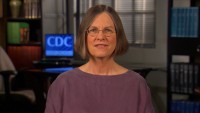
A message from Gail Bolan, M.D., Director, Division of STD Prevention, Centers for Disease Control and Prevention (from AIDS.gov)

Gail Bolan, M.D., Director, Division of STD Prevention, Centers for Disease Control and Prevention

Gail Bolan, M.D., Director, Division of STD Prevention, Centers for Disease Control and Prevention

April marks the annual observance of STD Awareness Month. And for this month, I’d like to focus on the link between STD prevention and HIV prevention.

The Centers for Disease Control and Prevention (CDC) has been invested in exploring the intersection of HIV and other STDs. Every year, 20 million new STDs occur including 50,000 new HIV infections. We know that people who have STDs such as gonorrhea, herpes, and syphilis are more likely to get HIV compared to people who do not. In fact, being infected with genital herpes makes you 3 times more likely to get infected with HIV, if exposed. And data collected from several major U.S. cities indicate that nearly 45% of gay and bisexual men with syphilis are also infected with HIV.

So this STD Awareness Month, I encourage the public, health care providers, and community-based organizations to bring a renewed sense of enthusiasm and focus to their STD awareness and prevention efforts. Individuals should know that the same behaviors that put you at risk for acquiring STDs can put you at risk for getting HIV. Physicians should follow recommended screening and treatment guidelines. And community-based organizations should support local STD and HIV prevention efforts.

The link between STDs and HIV is real. By educating yourself on ways to lower your risk, you can take action to protect your health. Not having sex is the most effective way to prevent STDs and HIV, but if you are sexually active, you can lower your risk of STDs and HIV by

  • Choosing one partner and agreeing to be sexually active only with each other. It is still important that you and your partner get tested for STDs and HIV and share your test results with one another.
  • Limiting the number of people you have sex with if you have more than one partner.
  • Using latex condoms or dental dams the right way every time you have sex.

STD and HIV testing is a critical part of preventing the spread of disease. I am urging providers to educate patients on their risk for STDs and HIV, and make taking a sexual history a priority. The behaviors and circumstances that put people at risk for STDs also put them at risk for HIV; take the opportunity to offer HIV testing to all patients who are tested for an STD. With 20% of new HIV cases being detected in STD clinics, it’s clear that a continued merging of STD and HIV prevention efforts is needed. As well, patients diagnosed with HIV at STD clinics have been found to have less-advanced disease.

You can go to the CDC Website to find out more about STD Awareness Month.

HIV testing and linkage to care available for young gay, bi and transgender African Americans via Project Silk

projectsilkProject Silk is a service project for young adult gay, bisexual or transgender African Americans. It’s a partnership between the Pennsylvania Department of Health and the University of Pittsburgh and is run by Anthony Silvestre, PhD, and Mackey R. Friedman, PhD, MPH, of the department of infectious diseases and micobiology in Pitt’s Graduate School of Public Health. Project Silk provides a safe, youth-centered space in downtown Pittsburgh and is open four nights a week. An on-site social worker is available and helps connect young people to important services such as housing, employment and health care. HIV testing and linkage to care are available during drop-in hours, and a private office can be requested. The project includes a mix of structured programming, such as civic discussion groups. There’s also unstructured time for young people to practice dance moves and prepare for house balls, which are competitive dance events.

Read more on newpittsburghcourieronline.com


Health and Human Services celebrates the imporved wellbeing of people living with HIV

The Department of Health and Human Services (HHS) honors World AIDS Day 2013 and celebrates the improved wellbeing of millions of people around the world living healthy and full HIV-positive lives. As the care and treatment of people living with HIV/AIDS has expanded so has the number of people living long HIV-positive lives. As of 2012, nearly 10 million people throughout the world were receiving antiretroviral therapy Exit Disclaimer, vastly improving their quality of life and reducing the number of early deaths due to the disease. And recent changes to the World Health Organization’s treatment guidelines are expected to substantially increase the number of people qualifying for treatment.

Widespread access to HIV medications and treatments, principally through PEPFAR and the Global Fund, has changed the course of HIV infection from an acute and deadly infection to a chronic disease requiring long-term care management. While this means a diagnosis is no longer a death sentence, it also means health systems now need to be prepared to address the long-term care needs of those living—sometimes for decades—with HIV.

Continue reading at AIDS.gov.

Health Alert – time to get a flu shot

Getting a flu shot is good advice for pretty much anyone. Even more so if you’re HIV positive.

For patients with HIV, the Centers for Disease Control and Prevention (CDC) recommends getting the flu shot instead of the live attenuated flu vaccine or “FluMist.” The flu shot is an inactivated vaccine (containing a killed virus) that’s given with a needle. FluMist contains a weakened form of the live flu virus and is only approved for use in people ages 2 to 49 with unimpaired immune systems.

Preventing the flu is important for people with HIV/AIDS due to an increased risk from serious influenza-related complications. Studies have shown an increased risk for heart and lung-related hospitalizations in people infected with HIV during influenza season, as well as a higher risk of influenza-related deaths. Other studies have indicated that influenza symptoms might be prolonged for certain HIV-infected people.

And, no, you can’t get the flu from the vaccination. For more information about HIV and influenza, go to the CDC Website.

You can find a place to get the flu shot here. You can also ask your doctor for additional options.

New primary care practice in Pennsylvania catering to the LGBT community

new practice in PAFrom lehighvalleylive.com

Bethlehem resident Allen Smith was in his 40s before he felt comfortable telling his doctor he was gay. And when he worked for 10 years at Lehigh Valley Health Network’s AIDS Activities Office in Allentown, most of the patients he saw also lacked primary care physicians they were open with. It’s a trend Smith hopes to help end. After working for more than three years, he’s opened a primary care practice in Bethlehem especially to provide medical care for lesbian, gay, bisexual and transgender people.

Smith’s Novus Adult Care Services is the third primary care practice in Pennsylvania catering to the LGBT community, Equality Pennsylvania President Adrian Shankersaid. A U.S. Centers for Disease Control and Prevention listing shows only 13 such practices nationwide. “With any underserved population, sometimes there are needs that aren’t met by general practice health centers,” said Shanker, a Bethlehem resident. “It’s important for people to see a doctor you feel comfortable being out with.”

In addition to serving as a medical office where patients feel comfortable disclosing their sexuality, LGBT specialty providers also are better versed in health concerns specific to the community, including HIV and AIDS and transgender issues, Smith said.

Read the full article on lehighvalleylive.com