m4mHealthInfo.org

Health Alert: 10% of HIV cases in gay/bi men linked to gonorrhea and chlamydia infection

From Gaystarnews.com

One in ten new cases of HIV in gay and bisexual men are linked to gonorrhea and chlamydia infection. That’s the conclusion of a modelling study highlighted by the NCSD (National Coalition of STD Directors) in the US.

The journal, Sexually Transmitted Diseases, published the research this week. Both sexually transmitted infections can increase the risk of HIV transmission taking place: a fact known for some time.

However, with rates of both gonorrhea and chlamydia rising in the US, health experts are concerned how this may impact public health advances in tackling HIV.

Between 2013-2017, the US saw a 22% increase in chlamydia. Gonorrhea diagnosis shot up by 67%. By comparison, there has been a 13% drop in HIV diagnosis over the last eight years.

The precise extent to which chlamydia and gonorrhea increase HIV transmission is unknown. Other biological factors may also play an influence. For this reason, parts of the ‘modelling’ study relied on estimates.

However, researchers from Emory University and the Centers for Disease Control and Prevention (CDC) in Atlanta say their findings should be used by those working in public health to address the issue of STIs and HIV transmission.
Read the full article.

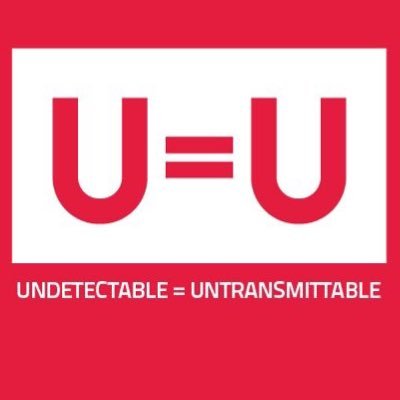
Overwhelming evidence shows HIV undetectable = untransmittable

From Gay Star News

HIV positive people with an undetectable viral load cannot sexually transmit HIV. That’s the unequivocal conclusion from one of the leading health agencies in the US.

Researchers from the National Institute of Allergy and Infectious Diseases (NIAID) undertook a review of recent research. Their conclusion is simple: Undetectable = Untransmittable (U=U). It’s the same message now backed by over 300 health agencies all around the world.

The results of the NIAID review were published yesterday in the Journal of the American Medical Association (JAMA). One of the reports co-authors is NIAID Director, Dr Anthony Fauci. He is widely regarded as one of the world’s leading HIV experts.

In a statement, NIAID called evidence for Undetectable = Untransmittable ‘overwhelming’. Not only does getting those diagnosed with HIV on to Antiretroviral Therapy (ART) ensure their long term health. But it also significantly reduces HIV transmission rates. This is because those with the virus suppressed in their body cannot pass it on.

The authors pointed to research that looked at over 77,000 examples of condomless sex between serodiscordant male couples. One half of the couple had HIV and the other did not. There was not a single transmission of the virus from the HIV positive person to the negative person.

Read the full article.

HIV infections among black gay men taking PrEP, probably due to poor adherence

From aidsmap.com

Awareness and use of HIV pre-exposure prophylaxis (PrEP) among black gay, bisexual and other men who have sex with men (MSM) in the United States increased significantly between 2014 and 2017, according to research published in the 1 November edition of the Journal of Acquired Immune Deficiency Syndromes. The study also showed that PrEP was reaching individuals with high levels of sexual risk, sexually transmitted infections (STIs) and substance use, the very individuals most in need of this highly effective form of HIV prevention.

However, HIV prevalence was significantly higher among PrEP users compared to individuals who were not on PrEP. The investigators stress this does not show PrEP failure but is likely due to factors such as poor medication adherence and lack of engagement with healthcare providers.

“It is imperative to recognize that our findings reflect challenges to maintain proper usage of PrEP rather than biological failure of PrEP to protect against HIV,” write the authors. “HIV infections that have occurred among PrEP users are the result of suboptimal levels of drug concentrations because of challenges in adhering to PrEP medical regimens.”

Black MSM account for the largest proportion of new HIV infections in the US. If current epidemiological trends continue, 60% of black MSM will be HIV positive by the age of 40. Tackling the HIV epidemic among black MSM is therefore an urgent public health priority.

Read the full article.

New CDC initiative educates providers about PrEP and PEP

From HIV.gov

CDC’s Act Against AIDS initiative recently launched Prescribe HIV Prevention, a new initiative for healthcare providers that focuses on HIV pre-exposure prophylaxis (PrEP) and post-exposure prophylaxis (PEP). The target audience includes primary care providers, infectious disease and HIV specialists, nurses, and public health practitioners.

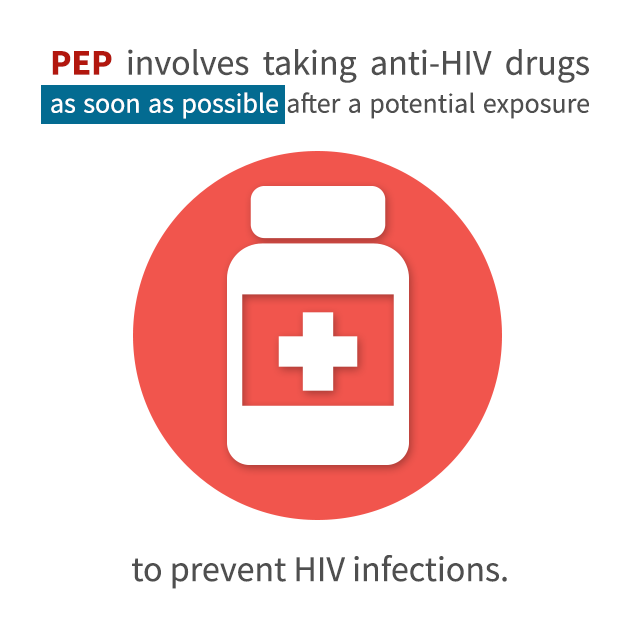
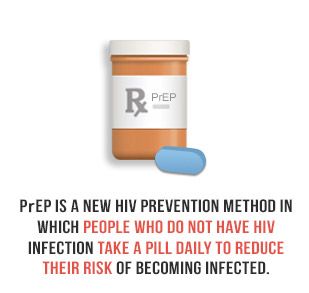
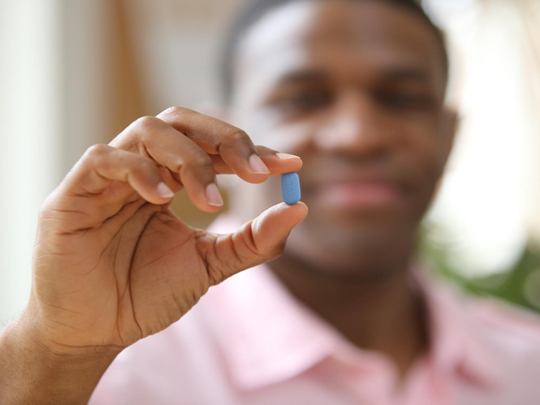
PrEP is a way for people who are HIV-negative but at high risk for getting the virus to prevent HIV infection by taking a pill every day. PrEP is highly effective when taken as prescribed. PEP is the use of antiretroviral drugs after a single high-risk event to prevent HIV. It must be started within 72 hours of a possible exposure.

Prescribe HIV Prevention educates providers and patients about these biomedical prevention tools and encourages providers to consider PrEP and PEP for patients at high risk for HIV. It includes resources such as a guide for discussing sexual health with patients, brochures and posters to educate patients about PrEP and PEP, continuing medical education programs, and a medication guide for patients.

Health Alert: Post-Exposure Prophylaxis for HIV (not to be confused with PrEP)

From redorbit.com

Post-exposure prophylaxis (PEP) involves taking of Anti-Retroviral Therapy (ART) drugs after potential exposure to HIV infection. This is an emergency HIV treatment usually received within 72 hours after the possible exposure. This should be confused as a cure for HIV but rather a form of preventing infection. It is, in fact, a short course of ARV drugs to stop the exposure to HIV from progressing into a life-threatening condition.

Some facts about PEP:

  • Taking PEP can result in an array of side effects including fatigue and nausea, but it is advisable not to stop taking the medication, instead consult your healthcare provider.
  • The emergency treatment should be started as soon as possible to guarantee its effectiveness. That means, it should be less 72 hours after exposure to the virus.
  • PEP is prescribed by your doctor to be taken daily at the same time for up to 4 weeks. This is according to the World Health Organization’s guideline on PEP use.

Read the full article.

Get more information about PEP from the Centers for Disease Control and Prevention (CDC).

Stop blaming PrEP for the increase in STI rates

From LGBTQ Nation

In an interview with the Los Angeles Blade about the new study, lead author Phillip Hammack, a professor at the University of California, Santa Cruz, debunked the notion.

“Our data don’t support the idea that we can attribute the rise in STIs to PrEP use, at least not in a direct manner. I personally don’t think that’s what’s happening,” said Hammack.

Instead, Hammack points at the rise of dating apps like Grindr, and a decrease in fear towards contracting HIV, as more likely causes.

“I would speculate it has more to do with a culture shift about sex,” said Hammack. “More people are having sex today. We’re in sort of a quiet sexual revolution when it comes to new identities, new labels, and sexual behavior.”

On the down side, the study also showed that only 4% of men who have sex with men are using PrEP. What’s more, many gay and bisexual men aged 18-25 aren’t getting annual HIV tests. 25% of men who have sex with men in that age range have never gotten an HIV test.

“I worry especially about younger men who didn’t grow up with the concerns of HIV that men of older generations did,” said Hammack in the William Institute press release on the study. “The low rate of HIV testing probably reflects a degree of complacency and cultural amnesia about AIDS.”

Read the full article.

February 7th is National Black HIV/AIDS Awareness Day

From the National Black HIV/AIDS Awareness Day Website

February 7, 2018 marks the 18th year for National Black HIV/AIDS Awareness Day (NBHAAD), a national HIV testing and treatment community mobilization initiative targeted at Blacks in the United States and the Diaspora.  NBHAAD was founded in 1999 as a national response to the growing HIV and AIDS epidemic in African American communities. The NBHAAD initiative leverages a national platform to educate, bring awareness, and mobilize the African American community. NBHAAD has four key focus areas which encourage people to:

  • Get Educated about HIV and AIDS;
  • Get Involved in community prevention efforts;
  • Get Tested to know their status; and
  • Get Treated to receive the continuum of care needed to live with HIV/AIDS.

For more information go to National HIV/AIDS Awareness Day online.  You can also find local testing resources by entering your zip code here.

Allies for Health + Wellbeing launches “I am an Ally” campaign with the support of Mayor Peduto and many prominent Pittsburghers

The campaign is designed to help raise the community’s awareness that what was the Pittsburgh AIDS Task Force is now Allies for Health + Wellbeing and that Allies provides integrated medical and behavioral health care, as well as supportive human services and community-based education for all those living with or at risk of HIV, viral hepatitis and sexually transmitted infections.

The “I am an Ally.” campaign will feature images on the back of Port Authority buses leaving the East Liberty garage starting February 1, 2018, and in other media outlets through April.

Allies of Allies for Health + Wellbeing featured in the campaign include:

  • Allies Board Member Linda Bucci and her husband, Chairman of MARC USA Tony Bucci
  • Medical Director of the Pitt Men’s Study, UPMC infectious disease doctor and Allies Board Member, Ken Ho, MD, MPH
  • Director of the Allegheny Health Department, Karen Hacker, MD MPH
  • Friends of Allies Richard Parsakian, Dr. Larry Leahy, John Van de Grift, Nancy Simpronio and Chuck Culbertson.
  • Allies for Health + Wellbeing LGBQTIA community advocates J Daniel Barlow and Dandy Hayes.

Join the Allies campaign by contacting Allies for Health + Wellbeing at 412-345-7456/info@alliespgh.org.


Many at-risk men still don’t take HIV prevention pill

From The Associated Press…

From gritty neighborhoods in New York and Los Angeles to clinics in Kenya and Brazil, health workers are trying to popularize a pill that has proven highly effective in preventing HIV but which — in their view — remains woefully underused.

Marketed in the United States as Truvada, and sometimes available abroad in generic versions, the pill has been shown to reduce the risk of getting HIV from sex by more than 90 percent if taken daily. Yet worldwide, only about a dozen countries have aggressive, government-backed programs to promote the pill. In the U.S., there are problems related to Truvada’s high cost, lingering skepticism among some doctors and low usage rates among black gays and bisexuals who have the highest rates of HIV infection.

“Truvada works,” said James Krellenstein, a New York-based activist. “We have to start thinking of it not as a luxury but as an essential public health component of this nation’s response to HIV.”

A few large U.S. cities are promoting Truvada, often with sexually charged ads. In New York, “Bare It All” was among the slogans urging gay men to consult their doctors. The Los Angeles LGBT Center — using what it called “raw, real language” — launched a campaign to increase use among young Latino and black gay men and transgender women.

“We’ve got the tools to not only end the fear of HIV, but to end it as an epidemic,” said the center’s chief of staff, Darrel Cummings. “Those at risk have to know about the tools, though, and they need honest information about them.”

In New York, roughly 30 percent of gay and bisexual men are using Truvada now, up dramatically from a few years ago, according to Dr. Demetre Daskalakis, a deputy commissioner of the city’s health department.

However, Daskalakis said use among young black and Hispanic men — who account for a majority of new HIV diagnoses — lags behind. To address that, the city is making Truvada readily available in some clinics in or near heavily black and Hispanic neighborhoods.

Read the full article on Newsday.com.

Erie County Health Department: A little-known prevention tool can help reduce infection

From Lisa Szymanski, R.N. public health nurse with the Erie County Department of Health (via goErie.com)…

On the heels of World AIDS Day, I can think of no better time to talk about HIV prevention.

HIV is no longer the death sentence it once was. Today, people infected with the virus are living healthier and longer lives; there are well over 300 people living with HIV in Erie County alone.

But HIV can still have serious health consequences.

A little-known HIV prevention tool is available. We call it PrEP, or pre-exposure prophylaxis.

PrEP helps HIV-negative adults greatly reduce their risk of infection. It consists of a medication, Truvada, taken once a day.

If used as prescribed, the U. S. Centers for Disease Control and Prevention states that daily PrEP reduces the risk of getting HIV from sex by more than 90 percent or higher if combined with other risk-reducing behaviors. Among people who inject drugs, it reduces the risk by more than 70 percent.

The CDC is recommending PrEP for people who are HIV-negative and diagnosed with a sexually transmitted disease in the past six months. It is also recommended for those who have an HIV-positive sexual partner, heterosexual men and women who do not regularly use condoms during sex with partners of unknown HIV status, and gay or bisexual men unless in a mutually monogamous relationship with a partner who recently tested HIV-negative.

PrEP is also recommended for people who have injected drugs and have shared needles or been in drug treatment in the past six months.

You must take an HIV test before beginning PrEP and every three months while you’re taking it. There are several health-care providers in the Erie area who are now prescribing PrEP to their patients.

The cost of PrEP is covered by many health insurance plans, and a commercial medication assistance program provides free PrEP to people with limited income and no insurance to cover PrEP care.

Talk with your doctor or health-care provider to determine if PrEP is right for you. For more information, you may contact the Erie County Department of Health.

Can new ‘Smart PrEP Pills’ increase adherence for HIV-prevention medication among young people?

From the Daily Herald online…

How does the smart PrEP work?

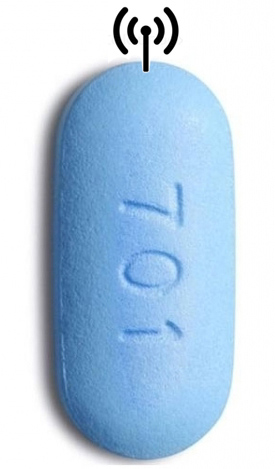
“The pill Truvada — the only PrEP drug approved by the Food and Drug Administration — has a sensor tablet encapsulated over it, so that when the pill is swallowed, the sensor tablet comes in contact with gastric fluid in the stomach and creates an electrical signal,” explained Dr. Gregory Huhn, CCHHS’ Associate Professor of Infectious Diseases and principal investigator of the trial. “The electrical signal is less than the frequency of a heartbeat, so nobody is going to feel it. But it transmits a signal in real-time that the pill has been ingested.”

By having a record of when the pill has been taken that goes to both the patient and his or her doctors or providers, the providers can reach out to patients who haven’t been taking the pills as directed and find out if there are any issues they can help resolve-like medication side effects a patient might be having or that they’ve run out of medication, Brothers said.

PrEP is supposed to be taken once a day.

Read the full article.

Undetectable viral load and HIV prevention: what do gay and bi men need to know?

What does undetectable mean? What about undetectable viral load and HIV transmission? And if I’m living with HIV, can I use “undetectable viral load” as an HIV prevention strategy?

From thebody.com

Risk of HIV transmission is virtually eliminated when people living with HIV are consistently taking effective HIV medication, (known as antiretroviral therapy or ARVs). It’s well-verified by research, and backed up by many years of real world observation: There have been no cases of transmission in couples where the HIV-positive partner was on meds and had “undetectable” viral load test results for at least six months.

But what does this mean for gay and bi men making decisions about sex, whether in ongoing partnerships, casual dating or anonymous encounters?

Get the answers on thebody.com.

Who we are… 

m4mHealthySex.org is a joint effort between the HIV Prevention and Care Project and the Pitt Men’s Study at the Graduate School of Public Health, University of Pittsburgh. Our goal is to provide up-to-date sexual health information for men who have sex with men. Click on the menu or the page links above to find testing and care resources, including information about PrEP.

You can also scroll down for the latest blog posts as part of our archive of sexual health information…

Is technology increasing the rate of STDs among certain populations?

by Laurie Saloman, MS

It’s known that men who have sex with men tend to have disproportionately high rates of sexually transmitted diseases (STDs) compared with the general population, particularly African American and Latino men. A new study has discovered a link between the methods that these men use to find sexual partners and STD infection rates.   The study, conducted by scientists at the Centers for Disease Control and Prevention (CDC), was comprised of 853 African American and Latino men who lived in Chicago, Illinois, Kansas City, Missouri, and Fort Lauderdale, Florida, who indicated that they had engaged in sex with at least 1 man during the previous year. The men were recruited either online or through some form of community outreach. Questions included their HIV status, whether they identified as gay or bisexual, how many male partners they’d had in the previous 3 months, and whether they used the Internet (via computer) and mobile-phone applications (apps) to look for sex partners.

Read the full article.

Laurie Saloman, MS, is a health writer with more than 20 years of experience working for both consumer and physician-focused publications. She is a graduate of Brandeis University and the Medill School of Journalism at Northwestern University.

HIV activist learning modules: engaging our community in HIV prevention policy advocacy

From thebody.com and the Treatment Action Group

While many of us who come from communities highly impacted by HIV have the lived experiences and the passion required for HIV prevention advocacy, developing an advocacy agenda and getting up to speed on the current state of HIV prevention science is not always easy. In order to support the efforts of prevention advocates across the United States, Treatment Action Group has developed a series of modules to help support activists’ capacity needs and to develop advocacy action plans. The slides, handouts, and webinars in each module focus on how to identify and change the governmental, organizational, and institutional policies that create roadblocks to comprehensive HIV prevention in our communities. The materials are useful for personal education or group discussion on HIV prevention and policy advocacy.

Go to thebody.com to find links to each of the learning modules.

AIDS United: Republicans’ American Health Care Act will “worsen treatment and care for people living with HIV”

Press release from AIDS United

AIDS United opposes the American Health Care Act as released by House Republicans on March 6th. The American Health Care Act would, if passed, strongly affect and potentially worsen treatment and care for people living with HIV and the provision of HIV prevention services for people at risk for infection. AIDS United works toward an end to the HIV epidemic by reaching outcomes described in the National HIV/AIDS Strategy and the many state-specific efforts to curb and finally end the epidemic. These outcomes include reducing HIV incidence, increasing access to care and improving health outcomes for people living with HIV, and reducing HIV-related health disparities.

The American Health Care Act undermines these goals. The replacement of premium subsidies with refundable tax credits will hurt the ability of low income people, including people living with HIV, to afford up-front payment of health plan premiums. Under this system thousands of people will lose coverage. These people will then be subject to a 30 percent penalty in their future cost of coverage because of continuous coverage requirements. These same requirements will hurt people who lose their jobs and will also make it more difficult for people to change jobs or move across the country. The bill also places a higher cost burden on older Americans by allowing higher premium as people age. This will result in much higher costs and lower access to care for lower income people. Finally, the bill effectively repeals Medicaid expansion in under three years at the end of 2019. Such a repeal will result in a loss of health coverage for millions of Americans, including people living with HIV and other chronic conditions.

Read the full press release.

Let’s stop shaming black men

From the Advocate.com

Last February, the Centers for Disease Control and Prevention released a report predicting that, if things don’t change, one out of every two gay or bi black men will become HIV-positive in their lifetime. This statistic has been repeated endlessly, usually in connection with reasons why HIV rates are higher among African-American men who have sex with men. To be fair, there are a wide range of factors that play a part in raising HIV risks, including poverty, drug use, childhood sexual assault, and depression.

“We cannot separate the high infection rates among black gay men from several ills that continue to plague our society,” Greg Millet wrote for The Advocate in 2015. “Discrimination, poverty, stigma, and lack of access to health care all affect health care utilization for black gay men. As a result, a substantial proportion of black gay men remain undiagnosed, and others who are diagnosed and without the financial means to access medications will remain virally unsuppressed.”

Many of these factors also impact heterosexual black men, so what’s at the root of the disproportionate HIV rates for their queer brothers? One prevalent argument is that — because of excessive homophobia in the black community — black gay and bisexual men have low self-esteem. That lower self-esteem leads them to be more promiscuous, engage in riskier sexual behaviors, and even use drugs; which explains why HIV rates among black men who have sex with men is so high. Makes sense? Problem is, it’s also wrong.

Read the full article on Advocate.com.

NASTAD: People living with HIV on antiretroviral therapy (ART) do not transmit the virus

From LGBTweekley.com

nastad-300x195WASHINGTON, D.C. – NASTAD (National Alliance of State & Territorial AIDS Directors), a leading non-partisan non-profit association that represents public health officials who administer HIV and hepatitis programs in the U.S. and around the world, published a new statement affirming that durably virally suppressed people living with HIV on antiretroviral therapy (ART) do not sexually transmit the virus. The statement accelerates NASTAD’s longstanding work to end HIV and promote policies and public health practice grounded in science.

”The science is clear that people living with HIV with a sustained undetectable viral load do not transmit the virus to others. What’s also clear is that we have the tools to end the HIV epidemic and HIV-related stigma and make new infections a thing of the past. Today, we tackle a major part of this work by raising awareness about the latest science of HIV transmission risk,” remarked NASTAD Executive Director Murray Penner.

Read the full article.

New online tool finds providers of HIV Pre-Exposure Prophylaxis (PrEP) in the US

PrEP Locator is a national directory of providers of HIV Pre-Exposure Prophylaxis (PrEP) in the US. PrEP Locator seeks to provide patients access to a national, integrated service including both public and private practice providers. An open source tool, PrEP Locator data and map-based widget are easily accessible via API.

logoThe Locator seeks to serve as a common repository for information regarding providers and clinics that prescribe PrEP. The Locator is an open source tool for those who are managing existing directories to share their resources in a common format, so that patients can access a national, integrated PrEP provider location service that includes both public and private practice PrEP providers. Data will be made accessible with open source tools to facilitate patient access through existing organizational websites and mobile apps.

PrEP Locator is presented by Emory University, in partnership with M•A•C AIDS Fund. The project is led by Dr. Aaron Siegler, Research Assistant Professor of Epidemiology at Emory University’s Rollins School of Public Health. The project is guided by a coalition of partners with expertise in the field of HIV prevention: PleasePrEPMe.org, Greater Than AIDS represented by the Kaiser Family Foundation, National Alliance of State & Territorial AIDS Directors (NASTAD).