Professor Matt G. Mutchler examines HIV prevention with focus on communication among young Black gay and bisexual men

From csudhnews.com

Professor of sociology Matt G. Mutchler’s research over the past 20 years into HIV prevention and treatment issues, especially within the African American community, has garnered him more than 15 external research awards and respect as an expert in the field. In addition to serving as a faculty member at California State University, Dominguez Hills, he is currently a visiting professor with the Center for AIDS Prevention and Study at University of California, San Francisco, and director of community-based research with AIDS Project Los Angeles.

Mutchler’s more recent work addresses sexual communication among African-American gay and bisexual males and their close friends, and other sexual health issues related to gay men. He also investigates HIV treatment adherence programs.

Mutchler brings his expertise in community-based research to the CSUDH’s Urban Community Research Center (UCRC), where he serves as director. The multi-disciplinary, sociology-based applied research center focuses on the needs, problems and solutions that arise in urban areas. The center also offers CSUDH students hand-on research experience as they collaborate with CSUDH faculty, and a number of governmental, community-based, and university/research institutions, such as AIDS Project Los Angeles (APLA), Charles R. Drew University, Spectrum, REACH LA, and the RAND Corporation.

Mutchler recently shared insights about his studies and findings, the challenges and rewards of conducting his research within the African American community, and his latest work.

Read the interview with Professor Mutchler on csudhnews.com.
 

Health Alert – Rates of STD infection still at record high

The Centers for Disease Control and Prevention (CDC) has recently been reporting a record increase in cases of syphilis, chlamydia and gonorrhea—after these diseases had been on the decline for several previous years. HIV infections continue to increase as well, especially among men who have sex with men (MSM).  Even worse, catching both HIV and one or more STDs can lead to particularly rapid and damaging health outcomes.

As a result, health experts across the country (including here at the Pitt Men’s Study) recommend that all sexually active men get a full screening for STD, especially HIV, Gonorrhea, Chlamydia, and Syphilis.

To find testing near you, go to the CDC’s testing locator and enter your zip code to find local free testing. The best way to protect your health is to get tested.

MidAtlantic AIDS Education and Training Center hosts World AIDS Day 2016 conference

nov_labg_worldaidsday2WHAT: To observe the 28th World AIDS Day, The MidAtlantic AIDS Education and Training Center (MAAETC), based at the University of Pittsburgh Graduate School of Public Health, will collaborate with UPMC and local HIV/AIDS clinics to host an all-day educational event. The World AIDS Day 2016 conference will bring together experts in the field of HIV to enable physicians, nurses and other HIV care providers to improve care. Experts will discuss prevention including PreP, aging and HIV, antiretroviral treatment, and substance use and HIV. To learn more or register, visit https://www.maaetc.org/events/view/8202.

WHY: Despite advances in HIV treatment, there continues to be an increase in HIV infections. This necessitates routine testing for everyone, to identify and link persons with HIV to care so that they can live longer lives. New treatment is available to prevent HIV infection, and concerns and issues are emerging among persons aging with HIV infection.
WHO: Introductions by Corey O’Connor, councilman, City of Pittsburgh, and Donald S. Burke, M.D., Dean, Pitt Public Health. Speakers include Rachel Levine, M.D., physician general, Commonwealth of Pennsylvania, Harold Wiesenfeld, M.D., M.P.H., Allegheny County Health Department, and Magee-Womens Hospital of UPMC, Donna Gallagher, Ph.D., M.S.N., ANP-BC, F.A.A.N., New England AIDS Education and Training Center, Ken Ho, M.D., M.P.H., medical director, Pitt Men’s Study, University of Pittsburgh School of Medicine, Antoine Douaihy, M.D., medical director, Addiction Medicine, University of Pittsburgh Department of Psychiatry
WHEN: 8:30 a.m. to 5:30 p.m., Thursday, Dec. 1
WHEREUniversity Club, 123 University Place, Pittsburgh, 15260
Note to Media: To cover this event, contact Allison Hydzik at 412-647-9975 or HydzikAM@upmc.edu.

$1 million renovation and expansion of the Pittsburgh AIDS Task Force

From the Pittsburgh Trib Review

A recently completed $1 million renovation and expansion of the Pittsburgh AIDS Task Force in East Liberty has made Sean DeYoung’s vision a reality.

The project, which took about a year to complete and included a medical clinic expansion, is a step toward PATF’s goal to transition to a fully integrated medical and social-service care organization for people with HIV.

“I’m a social worker, and that’s where the social work field is moving,” said DeYoung, the AIDS Task Force CEO who came aboard last year. “Research has shown that people who can receive all of their medical and social services in one place are much more likely to get the comprehensive level of care they need.”

The population served by PATF has unique challenges in addition to living with HIV/AIDS, DeYoung said.

“Ninety-eight percent of our client base is below the poverty line,” he said, “so they may also face housing challenges and job challenges, which is a huge problem. If you’re worried about getting evicted or not having a place to stay, you’re not going to be worried about taking your medication like you’re supposed to or coming to see your doctor when you need to.”

The renovated PATF center, unveiled at a ribbon-cutting last Tuesday, offers a food pantry, an on-site pharmacy, legal aid, programs for medical case management and federal housing assistance. It also offers an adherence program designed to help patients who struggle to remember to take their medications through personalized texts or phone calls.

Read the full article on the Trib Review online.

Optimal Care Checklist available for men who have sex with men

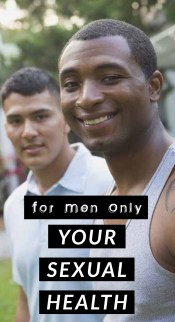
for men onlyWhether you are gay, bisexual or any man who has sex with other men (MSM), there are certain health issues that are important for you to talk about with your doctor. This brochure entitled Your Sexual Health, published by the National Coalition of STD Directors and the National Alliance of State & Territorial AIDS Directors, is designed to help you get important health care specific to the wellbeing of gay and bi men.

Issues such as Pre-Exposure Prophylactics (PrEP), rising STD rates in the community, getting vaccinated for Hepatitis A & B and for Human Papillomavirus (HPV) are just a few of the topics you might want to discuss with your health care provider. Your Sexual Health can help you break the ice. Being informed is an important first step in protecting yourself and your community.

HIV pill could cut infections in gay, bisexual men by a third

From Reuters Health

The rate of new HIV infections among gay and bisexual men could drop by up to a third over the next decade if enough eligible men take a drug that protects against the virus, researchers estimate.

According to the U.S. Centers for Disease Control and Prevention, eligible gay and bisexual men meet any of three criteria: they have unprotected anal sex in a monogamous relationship with a partner not recently tested for HIV, or they have unprotected anal sex with a partner outside of a monogamous relationship or they have any anal sex with someone who is HIV positive.

Getting the drug, known as Truvada and manufactured by Gilead, to 40 percent of high-risk men would prevent 1,162 infections among every 100,000 gay and bisexual men over 10 years, researchers estimate in The Journal of Infectious Diseases.

The daily pill is a combination of two antiretroviral drugs that work to keep the human immunodeficiency virus (HIV), which causes AIDS, from reproducing in the body. Approved by the U.S. Food and Drug Administration in 2012, Truvada is often just referred to as PrEP, which stands for pre-exposure prophylaxis.

“We were all interested in estimating the public health impact and efficiency of PrEP,” said Samuel Jenness, the study’s lead author from Emory University in Atlanta.

Jenness and colleagues point out that PrEP is 92 percent effective in preventing HIV infections.

To see how PrEP might change the number of new infections over the next decade, the researchers used a mathematical model that took into account HIV transmission rates among men who have sex with men and the CDC guidelines.

They ran several scenarios through the model and found that getting PrEP to 40 percent of eligible men – and having 62 percent stick to the daily regimen – would avert 33 percent of expected infections among all gay and bisexual men in the U.S. over the next decade, compared to a scenario in which the drug was not available.

Getting PrEP to 10 percent of eligible men would avert about 11 percent of expected new infections, and increasing coverage all the way to 90 percent would avert about half of cases, the researchers calculated.

In a scenario where 40 percent of eligible men take PrEP, the researchers say, having 25 men taking the pill every day would prevent one new HIV infection.

Counseling men on adhering to the daily pill would maximize the public health investment by decreasing the number of men needed to treat to prevent one infection, they add.

Jenness told Reuters Health that currently, 5 percent to 10 percent of gay and bisexual men take PrEP.

In an editorial published with the study, an HIV expert said he’s not sure it’s actually possible to get 40 percent of eligible gay and bisexual men to take PrEP.

“However, PrEP studies from the United States, the United Kingdom, Canada, France, and other high-income countries are showing that those who seek out PrEP have substantial HIV risk and adhere well, resulting in near elimination of HIV acquisition,” writes Dr. Jared Baeten, of the University of Washington in Seattle.

Those results show the men currently starting PrEP are good candidates, he said.

SOURCE: bit.ly/29H7FNb The Journal of Infectious Diseases, online July 14, 2016.

Free test kits can help guys on Grindr test more often

From the New York Times…

Grindr, the gay dating app, is an effective way to get gay black and Hispanic men to try home H.I.V. self-testing kits, according to a recent study.

Free test kits on GrindrThe small study was confined to Los Angeles, and fewer than 400 test kits were distributed, but the idea has broader potential. Grindr is used by at least five million men in 192 countries, according to its developer.


In the United States, young gay black and Hispanic men are the groups most likely to be infected with H.I.V. and the least likely to be tested for it, because they often lack health insurance and fear being rejected by their families.

In some other countries, gay men may be harassed, jailed or even executed.

The study used banner ads on Grindr to offer free test kits. Recipients received a kit in the mail, a voucher that could be redeemed for a kit at a pharmacy, or a code that would produce a kit from a vending machine in the parking lot of the Los Angeles Gay and Lesbian Center.

The test requires no blood; a swab of the gums produces results in 20 minutes.

Of the 56 black and Hispanic men who requested kits and were willing to answer survey questions, 69 percent had not been tested in the last six months; medical experts recommend that gay men who do not always usecondoms get tested every three months.

Two men learned from the kits that they were infected.

Researchers at the medical schools of Indiana University and the University of California, Los Angeles, chose Grindr rather than other gay dating apps like Scruff and Jack’d “because it was the oldest and biggest,” said Dr. Jeffrey D. Klausner, an H.I.V. specialist at U.C.L.A.’s David Geffen School of Medicine and one of the authors of the paper published in Sexual Health.

The idea of using the app to encourage home testing is “ripe for expansion” to other cities, and possibly to other countries, Dr. Klausner said

HIV epidemic continues for gay men across the globe

From Johns Hopkins University

Across countries and income levels, gay men continue to see disproportionately high rates of HIV infection, according to a new study from Johns Hopkins University’s Bloomberg School of Public Health. Though overall HIV rates have flattened in recent years and a diagnosis is no longer the death sentence it was once considered, researchers are concerned that the epidemic persists globally among men who have sex with men.

“It’s a tragic situation and it’s painful that the history of AIDS is looking like its future, but that’s actually where we are,” says study leader Chris Beyrer, a Bloomberg School professor and president of the International AIDS Society. “But the first step in taking on a problem is recognizing and articulating it, and we’ve really done that here.”

The findings, to be published July 9 in The Lancet, follow up on a 2012 call to action from the same group of researchers. Back then, they laid out anambitious framework to curtail HIV epidemics in gay men, setting targets for policy reform, funding, and improvement in HIV prevention and treatment—including expanded access to pre-exposure prophylaxis, or PrEP, a pill that has proved highly effective in reducing transmission among this population.

Read the full article.

Research: condomless gay porn can lead to more barebacking

From Advocate.com

[…] The study recruited 265 men who have sex with men (MSM) who were asked to relate the number of hours in an average week they spent viewing “man on man” porn, and how much of it featured anal penetration with a condom, as well as condomless anal sex.

Muscular nude male torso

In order to discern the perceived impact of their porn consumption, participants were also asked to describe how often in the preceding three months they fantasized about engaging in sexual acts they had watched, if watching Internet porn influenced the kind of sex they desired, if they sought out sexual contact after watching [porn on] the Internet, whether or not they felt Internet porn contributed to their engaging in “risky sex,” and whether they engaged in condomless anal sex.

Nearly all of the participants had consumed at least some porn both with (91.3 percent) and without (92 percent) condoms in the preceding three months. And researchers were able to discern a clear correlation between condom usage and the condom content of the pornography consumed by the participants; for instance, those who consumed “much” condomless porn (50 – 74 percent) could be expected to participate in 25 percent more sex without condoms than those who only viewed “some.”

Read the full article on Advocate.com.

Department of Health, Division of HIV/AIDS is seeking your input

stakeholders survey imageYou have a stake in the fight against HIV/AIDS. The Pennsylvania Department of Health, Division of HIV/AIDS is seeking your input regarding planned activities for statewide HIV prevention and care efforts. This anonymous and confidential survey will gather your response to the planned goals for helping people at high risk for getting HIV and those that are HIV-positive in Pennsylvania. To participate in the survey go to the online surveyPlease consider forwarding this link to all your co-workers, clients, and community members who might be interested in HIV prevention and care in Pennsylvania. This survey ends July 7th, 2016.
 

30th anniversary celebration of PATF honors Dr. Tony Silvestre

Hundreds gathered at the WQED studios in Oakland on Thursday, April 14th at a fundraiser to celebrate the 30th anniversary of the Pittsburgh AIDS Task Force. The evening’s honoree, Dr. Anthony Silvestre received the prestigious Kerry Stoner Award in recognition of his extraordinary efforts in the fight against HIV and AIDS.

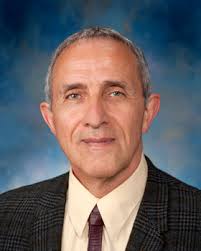
Tony Silvestre, PhD - Professor at the University of Pittsburgh Graduate School of Public Health

Tony Silvestre, PhD – Professor at the University of Pittsburgh Graduate School of Public Health

Dr. Silvestre became an integral part of the Pitt Men’s Study—a groundbreaking research project at the University of Pittsburgh’s Graduate School of Public Health—in the early days of the AIDS epidemic. Silvestre, known for his experience in community organization, recruited 4,000 participants from the greater Pittsburgh area—the vast majority of whom would spend the next 33 years donating blood and answering in-depth sexual health questions as a means to understand and therefore combat the disease. The Pitt Men’s Study played a key role in research that not only helped determine how the virus was spread, but also the effectiveness of modern anti-viral medications (also known as HAART).

In addition to the Kerry Stoner Award, Silvestre also received a citation honoring his achievements in combating HIV/AIDS statewide from the Pennsylvania House of Representatives.

“People don’t realize that this disease is still tragically affecting many—with young black gay kids at a rate as high as in some developing nations. Those who are marginalized by race, age and sexual orientation are not on anyone’s agenda and, as a result, are often left out of the health care system,” Silvestre commented at the event. “That’s why we need organizations like PATF and the Pitt Men’s Study.”

For most of his adult life, Silvestre was central to the LGBTQ community in Southwestern Pennsylvania, lending his skills and experience to effect positive change for marginalized communities. In addition to his efforts with the Pitt Men’s Study, he worked to establish a Center for LGBT Health Research within the Graduate School of Public Health and is currently the co-director of the HIV Prevention and Care Project—an organization also within the University that provides technical assistance to the Pennsylvania Department of Health in creating a state-wide response to the AIDS epidemic.

The Kerry Stoner Award is presented annually to honor a person who has, through a longtime dedication to Pittsburgh AIDS Task Force’s mission, shown commitment to Kerry Stoner’s legacy and vision. Stoner, a tireless HIV/AIDS activist who died of complications from AIDS in 1993, was a founder and the first Executive Director of the PATF.

The PATF 30the anniversary event raised over $100,000 in support of people living with HIV/AIDS and in support of the PATF HIV prevention programs.


National Youth HIV & AIDS Awareness Day: The realities of our lives

From the HRC blog

The Centers for Disease Control and Prevention caused a media firestorm when it announced that Black men who have sex with men in the United States now have a 50 percent chance of being diagnosed with HIV in their lifetime.

Youth and HIVBut for us, this is not some abstract statistic. It is the reality of our lives. And it is not the whole story either. Often lost in mainstream coverage of HIV are the ways stigma and discrimination put young people like us at increased risk for HIV – while also limiting our ability to get tested or seek treatment.

How can we take steps to reduce the spread of HIV if our schools failed to offer comprehensive sex education? How could we be expected to take advantage of Pre-Exposure Prophylaxis – the once-daily pill regimen that can prevent HIV – if there were no providers in our communities willing to prescribe it? How could we be expected to adhere to our medication and reach an undetectable viral load if we were constantly worried about where were going to put our heads at night? Or, what food we were going to eat? These are the questions young people are grappling with as we continue to make-up more than 25 percent of all new HIV transmissions in the U.S. These are the questions that demand answers.

But rather than scaring young people into submission with reminders of how terrible things used to be, we should be empowering them to make smarter, healthier choices. Young people don’t need to be shielded from the truth about HIV and AIDS. What we need is love, compassion, and mentorship from the people around us. What we need are laws and policies that affirm all of who we are. Only then will an “AIDS-free generation” ever truly be in sight.

Continue reading on the HRC blog.

Social apps can also be a solution to the problem

From care2.com

…Men who have sex with men and trans women are two of the most at-risk groups for contracting HIV. This is due to a complex range of factors including historic under-service by public health campaigns, a general lack of targeted sexual health advice for young LGBTs and criminalization of LGBT identity and HIV-positive individuals, among others.

This study, if its findings can be replicated by future research, could represent a relatively low cost way to improve HIV testing and prevention. Some dating apps, like Grindr and Hornet, have actually already begun offering HIV testing information through their platform.

Even the federal government saw the worth in examining sexual behaviors related to dating apps and commissioned a sizable study on the topic.

While some conservative groups have said the $432,000 grant money is a waste, this latest research suggests that teaming dating apps with proper HIV testing and information services can lead to meaningful increases in awareness. Understanding interactions on these apps — and through social media in general — can hopefully lead to even more effective interventions.

It’s estimated that about 156,300 people in the U.S. are unaware that they live with HIV. These individuals remain a transmission risk with the potential to unknowingly infect their sexual partners.

Encouraging testing with targeted, relatively low-cost interventions could be one way of decreasing that number.

Read the full article: http://www.care2.com/causes/how-social-media-could-help-fight-hiv-among-gay-men.html#ixzz454Nl6HKD

Gay men follow HIV prevention regimen, if MDs prescribe it

From Reuters

Out of more than 1,000 gay and bisexual men surveyed, only 83, or fewer than one in 10, reported that they use HIV pre-exposure prophylaxis (PrEP).

But 42 percent of those who do use it said they had not skipped a single dose in the previous 90 days, and only 6 percent had skipped more than two doses per week, the investigators reported at the annual meeting of the Society of Behavioral Medicine in Washington, DC.

Docs need to prescribe PrEPThe lesson for care providers is that men are willing and able to take a daily pill, so it is important to talk to those who could benefit and increase prescription rates, study leader Jeffrey Parsons, a professor of psychology at Hunter College, City University of New York, told Reuters Health by email.

“The majority of gay men who are . . . good candidates for PrEP are not on the medication, and many haven’t spoken to their medical providers about PrEP. We need to get conversations going, and in general promote more open dialogue between doctors and patients regarding sexual health,” Parsons said.

The U.S. Centers for Disease Control has guidelines to help healthcare providers determine who is an appropriate candidate for PrEP with safer sex practices and Truvada, a pill made by Gilead that contains the antiviral drugs emtricitabine and tenofovir.

Read the full article.

Social apps responsible for increase in STDs?

From the Pittsburgh Post-Gazette

About two years ago, Harold Wiesenfeld, medical director of Allegheny County’s sexually transmitted disease and HIV program, started hearing something from some of his patients that troubled him.

“They were volunteering that many of their partners were unknown because they met them through dating apps and it was anonymous,” he said. Apps like Tinder, OkCupid and Grindr that allow people to scroll through dozens or even hundreds of photos of possible potential dates in a given area within a matter of minutes.

Social apps cause rise in STDsMost troubling, though, was that many of those patients in his private obstetrics and gynecology practice at Magee-Womens Hospital of UPMC believed they had contracted their STD from those anonymous partners they met on a dating app.

This occurred as Allegheny County was seeing a sharp and steady rise in cases of Gonorrhea (up 28 percent) and Chlamydia (up 35 percent) from 2006 to 2014 that concerned and worried health officials. Of even bigger concern is the rapid increase in just a few years of Syphilis, which is up 150 percent since 2009. Cases in that time jumped from 27 to 68 for the disease that can have long-term health concerns, particularly for women who want to get pregnant, and their fetus if they are pregnant.

It has become a big enough issue in Allegheny County, that in the last year, Dr. Wiesenfeld has made asking about the dating apps a standard question for his patients.

“Across the country we are in what we consider an STD epidemic, especially with Syphilis and its health implications,” Dr. Wiesenfeld said.

While some of the increase might be attributed to better screening and testing for the diseases, “many of us STD researchers are concerned with the popularity of these apps in facilitating more casual sexual encounters,” he said.

Read the full article.

Meet the man who got HIV while on daily PrEP

From POZ.com

Ever since July 2012, when the FDA approved Truvada as PrEP, a pre-exposure prophylaxis to prevent getting HIV, its success rate has been, well, perfect. In fact, not a single person adhering to the daily regimen has ever tested HIV positive—and that includes everyone in clinical trials and studies, and the more than 40,000 people taking Truvada as PrEP in the United States. But PrEP researchers, like most scientists, rarely speak in absolutes and guarantees; they’ve acknowledged that, under rare circumstances, an infection is feasible. Last week, that hypothetical situation became a known reality.

HIV pos while on daily PrEPOn February 25 at the annual Conference on Retroviruses and Opportunistic Infections (CROI) in Boston, David C. Knox, MD, an HIV specialist at the Maple Leaf Medical Clinic in Toronto, presented data on a patient who, after two years of good PrEP adherence, tested HIV positive (for more on that, read this article by POZ’s Benjamin Ryan).

In Knox’s presentation, his patient remained anonymous, but many of us in the PrEP and HIV communities had followed his seroconversion story in real time as he posted about it last May in the Facebook group PrEP Facts: Rethinking HIV Prevention and Sex, in which he was an active member. Since then, Joe—as he prefers to be called here—dropped off the discussion boards. I had kept his information and interviewed him earlier this year for a potential POZ feature. At that time, the 44-year-old was excited to put 2015 behind him (more on that later). We chatted about gentrification in Toronto’s “gay village,” and he described himself as a “foreigner” whose family had lived in Kuwait and Denmark before moving to Canada when he was 11, experiences that resulted in his speaking several languages and working as an international flight attendant for 14 years. Now employed at a telecommunications giant, Joe sounded optimistic about his future job prospects and he was devoting energy to the new love of his life: Oliver, a Lhaso Apso-Maltese-Yorkie mix. Importantly, Joe had acclimated to a new HIV regimen, taking his meds each morning, and his viral load had remained undetectable.

Read the full article on POZ.com.

High rates of STIs among PrEP users

From aidsmap.com

Participants taking tenofovir/emtricitabine (Truvada) for pre-exposure prophylaxis (PrEP) continued to have high rates of sexually transmitted infections (STIs) in two US PrEP demonstration projects, according to a pair of reports at the Conference on Retroviruses and Opportunistic Infections (CROI 2016) last month in Boston. Semi-annual STI testing missed many cases, leading researchers to suggest that gay men on PrEP could benefit from screening every three months.

One of the most common concerns surrounding PrEP is the high rate of STIs seen among users. There is little evidence that PrEP actually causes an increase in STIs, but gay and bisexual men at risk for HIV already have high STI rates, and many PrEP users are likely to be already having, or wish to have, sex without condoms.

As Sheena McCormack, lead investigator for the English PROUD study, explained at a CROI symposium on innovations in PrEP, “the pre-existing trajectory of rising STIs [among men who have sex with men] is carrying on, but PrEP means HIV doesn’t have to rise too.”

On the other hand, the regular STI screening recommended for people on PrEP encourages prompt diagnosis and treatment, which reduces onward transmission and could potentially contribute to lowering STI rates among PrEP users compared to non-users.

Read the full story.

“Half of black men who have sex with men (MSM) will be diagnosed with HIV during their lifetime”

From the Centers for Disease Control and Prevention (CDC)…

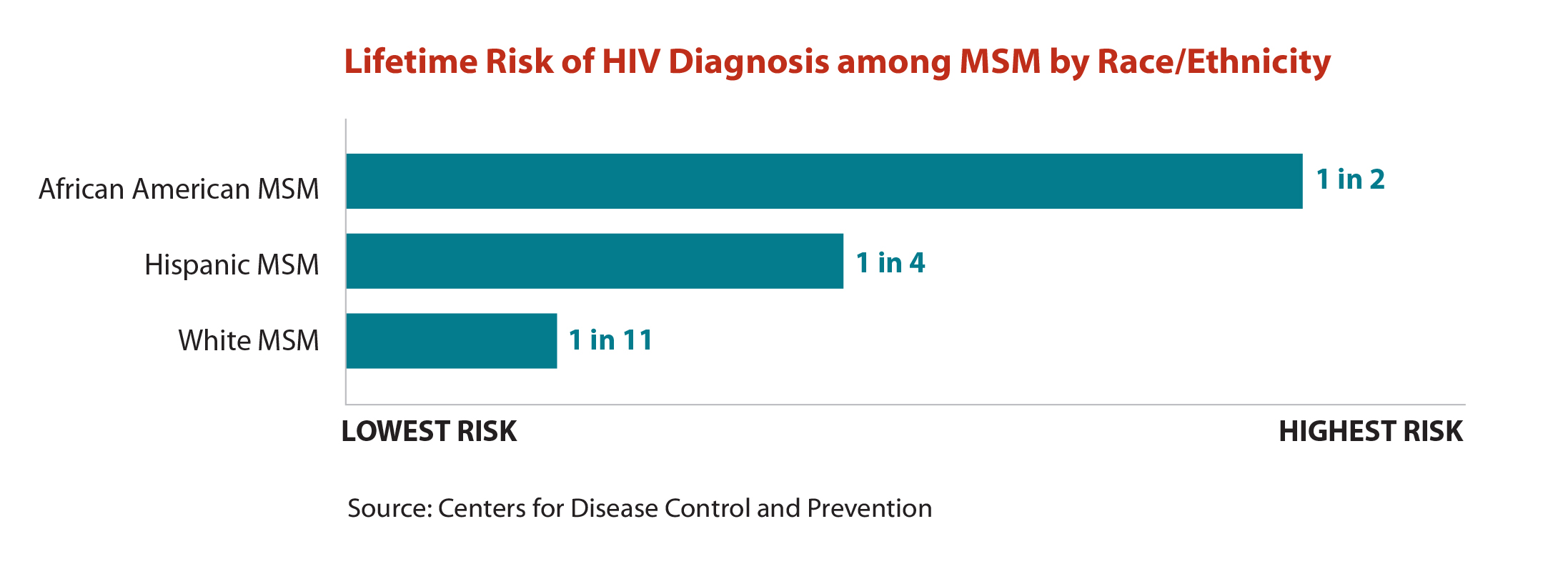
If current HIV diagnoses rates persist, about 1 in 2 black men who have sex with men (MSM) and 1 in 4 Latino MSM in the United States will be diagnosed with HIV during their lifetime, according to a new analysis by researchers at the Centers for Disease Control and Prevention (CDC).

The study, presented today at the Conference on Retroviruses and Opportunistic Infections in Bostonprovides the first-ever comprehensive national estimates of the lifetime risk of an HIV diagnosis for several key populations at risk and in every state.

croi_lifetime_risk_msm_race_ethnicity

“As alarming as these lifetime risk estimates are, they are not a foregone conclusion. They are a call to action,” said Jonathan Mermin, M.D., director of CDC’s National Center for HIV/AIDS, Viral Hepatitis, STD, and Tuberculosis Prevention. “The prevention and care strategies we have at our disposal today provide a promising outlook for future reductions of HIV infections and disparities in the U.S., but hundreds of thousands of people will be diagnosed in their lifetime if we don’t scale up efforts now.”

Read the full article on the CDC’s Website.


February 7th is National Black HIV/AIDS Awareness Day

5February 7th marks the 15th annual observance of National Black HIV/AIDS Awareness Day (NBHAAD). Led by the Strategic Leadership Council, this initiative is designed to increase HIV education, testing, community involvement, and treatment among black communities across the nation.

Compared to other racial/ethnic groups in the United States, blacks/African Americans* account for a disproportionate burden of HIV and AIDS. While blacks represent approximately 12% of the U.S. population, they account for more new HIV infections (44%), people living with HIV (43%), and deaths of persons with diagnosed HIV (48%) than any other racial/ethnic group in the nation. Among blacks, gay and bisexual men, especially young men, are the most affected population—accounting for the majority of new infections.

Read more.