Institute of Medicine releases long-awaited report on LGBT health

From the Gay and Lesbian Medical Association

Washington, DC – The Institute of Medicine today released its long-awaited report, The Health of Lesbian, Gay, Bisexual, and Transgender People: Building a Foundation for Better Understanding. The National Institutes of Health commissioned this groundbreaking report, and a distinguished panel of experts dedicated more than a year to evaluating the state of LGBT health research and crafting recommendations for improving the health of the LGBT community.

Read the full report at The National Academies Press Website.

HPV in half of U.S. men

From the Huffington Post:

“A study out yesterday in The Lancet by Moffitt Cancer Center researcher Anna Giuliano, Ph.D., and her colleagues finds that 50 percent of men ages 18 to 70 in Brazil, Mexico, and the U.S. have genital infection with human papillomavirus, or HPV. HPV is the virus that causes cervical cancer in women. It also causes warts and cancer of the genitals and anus in both men and women.”

The article goes on to state:

“An infection rate of 50 percent for a virus that can cause cancer sounds scary. But knowing a few more facts about HPV helps put the risk in perspective. About 90 percent of men and women infected with HPV virus get rid of it on their own within about two years. There are many different strains of HPV — some that cause cancer and some that don’t. Only about 6 percent of men have genital infection with HPV 16 — the strain linked to more than 90 percent of cancers of the head and neck. And only about 0.6 percent of men have HPV 16 in specimens taken from their mouths; what percentage of those men go on to develop head and neck cancer is unknown.”

To get tested for HPV that might cause anal cancer, you can talk to your doctor or call the Anal Dysplasia Clinic
at UPMC, Falk Medical Building, 7th Floor. Their number is 412-647-7228.

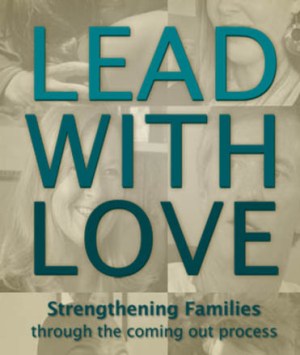
Lead With Love

LEAD WITH LOVE follows four families’ experiences in learning that they have a gay or lesbian child. Created for parents who are working through this news themselves, this poignant and informative film shares real stories from parents and children, factual information from psychologists, educators, and clergy, and concrete guidance to help parents keep their children healthy and safe during this sometimes challenging time.

The Pitt Men’s Study and PA Prevention Project Sponsor New Webcast “Positive OUTlook”

This past summer, The Pitt Men’s Study and The PA Prevention Project began sponsoring a live Webcast called Positive OUTlook. The purpose of the show is to get health related information to the LGBT community in the greater Pittsburgh area. Positive OUTlook airs every Thursday from 1 to 2 p.m. on www.outonline.com. If you catch the show live you can connect online and submit questions to the show’s guests. You can also call in. After the show airs on the Internet, it is archived on outline.com for future viewing.

Some of the topics that have been covered so far include: the overall health issues of the LGBTQ community, mental health issues, and sexuality. If you would like to be a guest on the show or just want more information, contact the show’s host, Nayck Feliz at  412-383-2612. You can also send an email to nbf5@pitt.edu.

Partners of gay employees may get health benefits in Allentown

From The Morning Call, October 09, 2010|By Jarrett Renshaw

Allentown may soon be the second city in the state to offer health benefits to partners of gay employees. A bill extending the employee benefits to same-sex couples was expected to be introduced last Wednesday, but was pulled at the last minute after the city’s solicitor’s office expressed some concerns over language in the bill. City Council has declined to release the legal opinion, citing lawyer-client privilege. However, council President Michael D’Amore, a sponsor of the bill, said the legal concerns are technical, and he expects to introduce the bill as early as the next meeting, Oct. 20.

Speaking of lubes, UCLA researchers found 4 out of 6 most used lubes are toxic to rectal lining

This bit of information was pointed out by a Facebook subscriber in Texas. One of the studies mentioned in the article is actually right here at the University of Pittsburgh – The Microbicides Trials Network. You can find out more about it under our “Get Involved in Research” tab. 

As the article notes: “Subjects who used lubricants during anal sex were three times more likely to contract rectal sexually transmitted infections than those who had anal sex without lubricant, found UCLA researchers. This and one other study examining the effects of sexual lubricants used in anal sex were presented last month at the International Microbicides Conference.” The bottom line is two of the lubes tested were found to be nontoxic – Wet Platinum and PRÉ.

To read the full article, go to 365gay.

Top ten health issues for men who have sex with men

1. HIV/AIDS, Safer Sex

That men who have sex with men are at an increased risk of HIV infection is well known, but the effectiveness of safe sex in reducing the rate of HIV infection is one of the gay community’s great success stories. However, the last few years have seen the return of many unsafe sex practices. While effective HIV treatments may be on the horizon, there is no substitute for preventing infection. Safe sex is proven to reduce the risk of receiving or transmitting HIV. All health care professionals should be aware of how to counsel and support maintenance of safe sex practices.

2. Substance Use

Gay men use substances at a higher rate than the general population, and not just in larger communities such as New York, San Francisco, and Los Angeles. These include a number of substances ranging from amyl nitrate (“poppers”), to marijuana, Ecstasy, and amphetamines. The long-term effects of many of these substances are unknown; however current wisdom suggests potentially serious consequences as we age.

3. Depression/Anxiety

Depression and anxiety appear to affect gay men at a higher rate than in the general population. The likelihood of depression or anxiety may be greater, and the problem may be more severe for those men who remain in the closet or who do not have adequate social supports. Adolescents and young adults may be at particularly high risk of suicide because of these concerns. Culturally sensitive mental health services targeted specifically at gay men may be more effective in the prevention, early detection, and treatment of these conditions.

4. Hepatitis Immunization

Men who have sex with men are at an increased risk of sexually transmitted infection with the viruses that cause the serious condition of the liver known as hepatitis. These infections can be potentially fatal, and can lead to very serious long-term issues such as cirrhosis and liver cancer. Fortunately, immunizations are available to prevent two of the three most serious viruses. Universal immunization for Hepatitis A Virus and Hepatitis B Virus is recommended for all men who have sex with men. Safe sex is effective at reducing the risk of viral hepatitis, and is currently the only means of prevention for the very serious Hepatitis C Virus.

5. STDs

Sexually transmitted diseases (STDs) occur in sexually active gay men at a high rate. This includes STD infections for which effective treatment is available (syphilis, gonorrhea, chlamydia, pubic lice, and others), and for which no cure is available (HIV, Hepatitis A, B, or C virus, Human Papilloma Virus, etc.). There is absolutely no doubt that safe sex reduces the risk of sexually transmitted diseases, and prevention of these infections through safe sex is key.

6. Prostate, Testicular, and Colon Cancer

Gay men mar y be at risk for death by prostate, testicular, or colon cancer. Screening for these cancers occurs at different times across the life cycle, and access to screening services may be negatively impacted because of issues and challenges in receiving culturally sensitive care for gay men. All gay men should undergo these screenings routinely as recommended for the general population.

7. Alcohol

Although more recent studies have improved our understanding of alcohol use in the gay community, it is still thought that gay men have higher rates of alcohol dependence and abuse than straight men. One drink daily may not adversely affect health, however alcohol-related illnesses can occur with low levels of consumption. Culturally sensitive services targeted to gay men are important in successful prevention and treatment programs.

8. Tobacco

Recent studies seem to support the notion that gay men use tobacco at much higher rates than straight men, reaching nearly 50 percent in several studies. Tobacco-related health problems include lung disease and lung cancer, heart disease, high blood pressure, and a whole host of other serious problems. All gay men should be screened for and offered culturally sensitive prevention and cessation programs for tobacco use.

9. Fitness (Diet and Exercise)

Problems with body image are more common among gay men than their straight counterparts, and gay men are much more likely to experience an eating disorder such as bulimia or anorexia nervosa. While regular exercise is very good for cardiovascular health and in other areas, too much of a good thing can be harmful. The use of substances such as anabolic steroids and certain supplements can adversely affect health. At the opposite end of the spectrum, overweight and obesity are problems that also affect a large subset of the gay community. This can cause a number of health problems, including diabetes, high blood pressure, and heart disease.

10. Anal Papilloma

Of all the sexually transmitted infections gay men are at risk for, human papilloma virus —which cause anal and genital warts — is often thought to be little more than an unsightly inconvenience. However, these infections may play a role in the increased rates of anal cancers in gay men. Some health professionals now recommend routine screening with anal Pap Smears, similar to the test done for women to detect early cancers. Safe sex should be emphasized. Treatments for HPV do exist, but recurrences of the warts are very common, and the rate at which the infection can be spread between partners is very high.

From the Gay Lesbian Medical Association Website. 

Author: Vincent M. B. Silenzio, MD, MPH, Former Member Board of Directors, GLMA and Former Co-Editor, Journal of the Gay and Lesbian Medical Association

A Word Form Your Local “Online Sexual Health Educator”

By: Ray Yeo

It’s been a little over a year since the Pitt Men’s Study started reaching out to guys in places like craigslist, gay.com and adam4adam. For the most part, I’d say we’ve been successful in getting our foot in the door and letting folks know we’re online to provide much-needed information about sexual health. But, as with many health intervention programs, there’s a core group of folks that still aren’t getting the message about avoiding sexually transmitted infections, including HIV.

We know that new HIV infections are still on the rise in Pennsylvania—even after all the grass roots sex education that happened early on, when the epidemic first laid waste to the gay community. There’s been a lot of talk about why the virus is still spreading and lots of folks agree we need to step up or efforts to continually educate the public about the risks of unsafe sex. But the one thing I don’t see a lot in the mainstream media is how finding sexual partners on the Internet plays a significant role in these new infections.

Mounting research indicates that guys who hook up online for sex (as apposed to traditional venues like bars and bath houses) have sex more often, have unprotected sex more often, and have more sex with guys who are HIV-positive. So it would seem pretty clear that we need to get our safer sex messages into the same chat rooms where these folks are hooking up.

One of our challenges is that, like the bars and bath houses in the early 1980’s, the owners of sex-related Websites don’t necessarily want to bring up issues of sexual health for fear that it will put off their clientele. The person in charge at Manhunt told me once that if their guys feel harassed by a sexual health educator, they’ll just take their business to gay.com. As a result, on Manhunt, I can’t advise guys about sexual health unless they chat with me first. The problem then, of course, is that if a person is online just for sex, he’s probably not going to make contact with me. The other problem is that guys often don’t know they’re at risk and, therefore, don’t know to ask for safer sex information. So how do we get the word out to guys who are living in an online bubble that’s devoid of safer sex messages?

One solution is to spread the word that men who are looking for sex with men on-line do need special sexual health information. We all know we’re supposed to use a condom for anal sex, but how many guys know that drinking and using drugs can lower your inhibition and turn a moment of safe sexual pleasure into (at best) prolonged medical treatments? How many guys know that, if you don’t like to use a traditional condom (for anal sex) because it doesn’t feel good, you can use a female condom instead? Would you know to call your doctor and ask for immediate “post-exposure prophylaxis” treatment if you know you’ve been exposed to HIV in the last 72 hours? 

Another potential solution is to expand our online presence. To this end, we’ve created the gay/bi friendly Website m4mHEALTHYsex.org—a place where guys can go to find out about HIV and other STDs. The site hosts user-friendly “sexual health avatars”—animated characters who can answer basic questions about sexually transmitted diseases. Users can also search by zip code to find information like gay-friendly medical providers and local testing centers. And, if for some reason a person can’t find the information he’s looking for, the user can email the staff at the Pitt Men’s Study and pose questions to our staff of medical professionals (folks who’ve been dealing with the health of gay and bi men for 25 years).       

We’ve come a long way in the treatment for HIV infection. And although modern anti-viral drugs are a genuine life-saving breakthrough, we still don’t have a cure or a vaccine to prevent it. Furthermore, as anyone on those miraculous antiviral drugs will tell you, having HIV is still a life-altering experience—and not in a good way.

In short, getting the gay and bi male community to understand that they still need information about safer sex is critical. If you’re picking up guys online for sex, you may be treading on thin ice. You may think you know it all, but, as the indisputable numbers of new HIV infections becomes more apparent, you might want to think twice when you see that “online sexual health educator” profile on Manhunt. Go ahead, ask me a question. I might be able to put you on the right track toward a better, safer sex life.

Rights of People With HIV Under Assault?

Although a recent New York Times article (posted below) suggests immediate treatment for HIV-positive men has a long-term beneficial effect on health, activist Sean Strub argues the policy focuses too much on prevention and not on the needs of persons living with the disease. His editorial, Medical Ethics and the Rights of People With HIV Under Assault was posted on POZ blogs on April 28th.

14 percent of gay men in DC are HIV positive

DC Department of Health: 14 percent of gay men in DC are HIV positive–that’s almost five times as high as the overall rate. A quote from their study reads “complacency that the HIV/AIDS epidemic is under control for men who have sex with men has taken a toll.”

It’s pretty convincing evidence that HIV is still very much with us. The pdf link to the official report takes an extra minute to open.

Pitt Men’s Study Director Creates Anal Dysplasia Clinic

Dr. Ross Cranston was recruited to Pittsburgh in 2007 to create an Anal Dysplasia Clinic at the Pittsburgh AIDS Center for Treatment (PACT). The focus of the clinic, which is also open to non-PACT patients, is to address the high incidence of human papillomavirus (HPV or wart virus).  HPV has been associated with anal cancer in gay men – particularly those living with HIV. 

 “As gay men, we run the risk of serious health issues because we don’t pay enough attention to our butts.”  Dr. Cranston states. “So, one of my goals is to promote an ‘anal agenda’ that increases awareness of the medical conditions gay men are more likely to experience.” Putting the issue into perspective, he adds: “Anal health has yet to emerge as an area to which it is deemed appropriate to direct our attention. As a result, gay men in particular are unaware of their increased risk of many anal diagnoses including those related to sex or sexually transmitted infections, such as the development of anal cancer.”   

Patients with an abnormal anal cytology (a test of anal cells that is used to detect abnormalities) are referred to Dr. Cranston for high-resolution anoscopy (HRA). This office procedure involves examining the anal canal using magnification.  If there is evidence of high-grade dysplasia – the precursor to anal cancer – a biopsy may be performed. If high-grade dysplasia is confirmed, Dr. Cranston can then remove the lesion in order to prevent its potential progression to cancer.

“We are currently diagnosing about one case of anal cancer every 2 weeks,” says Dr. Cranston, “which is why I suggest that gay men who are HIV-positive talk to their clinician about anal dysplasia screening and have an annual anal Pap smear.” Although there are no national screening guidelines, Dr. Cranston notes, it is also suggested that HIV-negative men over 40 get tested every two to three years.

Dr. Cranston is an Assistant Professor in the Division of Infectious Disease and the Medical Director of the Pitt Men’s Study.  He began his studies at the University of Edinburgh before moving to London, where he completed a fellowship in HIV and Sexually Transmitted Infection. He moved to the U.S. to conduct doctoral research at the University of California—San Francisco and then spent five years working at the UCLA Center for AIDS Research and Education in Los Angeles, where he established and ran the UCLA Anal Dysplasia Clinic. 

For many years, Dr. Cranston has used his knowledge of anal dysplasia, HPV, and HIV to help countless HIV-positive men. He moved to Pittsburgh in September 2007 with his partner of 11 years, Ian McGowan, who is also employed by the University as a Professor in the School of Medicine, and is Co-Principal Investigator of the Pittsburgh-based Microbicide Trials Network. 

For more information about the anal dysplasia clinic, you can call  412-647-0996 .

Health Department Tests Online Partner Notification

The Allegheny County Health Department has begun testing an online partner notification system. The online system is designed to send anonymous “e-card” messages to persons who may have been exposed to a sexually transmitted disease. “The way it works,” explains Raymond Yeo, a University of Pittsburgh consultant involved in creating the system, “is that if I were to test positive for Syphilis or HIV, for example, I would go online with a Department of Health representative and send email messages to all the people I’ve had sex with.” Yeo works for Pitt’s Graduate School of Public Health as an online sexual health educator. “The internet has become a major venue for finding sexual partners,” Yeo went on to explain, “so the Pennsylvania Department of Health needed to create a method of contacting people who may have been exposed to sexually transmitted diseases when the only contact information they have is an email address.”

The e-card message informs recipients that a person they’ve hooked up with (for sex) tested positive for an undisclosed sexually transmitted disease and encourages him or her to also get tested. Messages also contain a unique identification number that medical providers and clinics can use to determine what infection they should test for. This number is also reported back to the Department of Health for the purpose of tracking state-wide outbreaks.           

“If you receive an e-card from the Pennsylvania Department of Health, telling you that you’ve been exposed to a sexually transmitted disease, you can take it seriously because the system is controlled by the Health Department staff…which pretty much eliminates the possibility of it being a hoax or a spam message,” Yeo added. “It’s important that this system succeeds in what it was designed to do. Folks who are hooking up on the Internet for sex are getting infected at higher rates than folks who don’t…and if we don’t find a way to contact them, and they don’t get tested, it will only lead to bigger health problems for our community.” 

People who have been exposed to a sexually transmitted disease, in cases where additional contact information is available (such as a phone number or mailing address), are contacted via traditional methods. For more information about the Pennsylvania Health Department Online Notification System, you can contact Mr. Yeo at the University of Pittsburgh’s Graduate School of Public Health by calling  (412) 383-2940 . You can also go to the Partner Notification Website at http://www.pastatehealth.org/.

High Rate of Hepatitis C Infection in Gay Men

Recent outbreaks of the Hepatitis C virus (HCV) among men who have sex with men have been reported in Europe and the United States. Doctors believe that a significant number of cases were transmitted through sexual contact. “This finding is alarming,” says Pitt Men’s Study Physician Assistant Kristen D’Acunto. “HCV is usually associated with injection drug use because it’s primarily spread through exposure to infected blood.”

Information posted on the Website Stopaids.org suggests the high rate of infection among gay men may be the result of rough anal play. “‘Rough anal play’ relates to the specific sexual practices of gay men involved in the initial research, who were also HIV-positive,” explained Dr. Ross Cranston, the Pitt Men’s Study Medical Director. “This finding makes sense since these practices are more likely to result in mucosal tears resulting in bleeding, and so increase the risk for HCV transmission.”

Symptoms of acute HCV include jaundice, fatigue, abdominal pain, dark urine, loss of appetite and nausea. “It is also possible to have no symptoms at all,” D’Acunto is quick to point out. “Currently there is no vaccine and treatment is both difficult to undertake and has a limited success rate in HIV-positive individuals. So it’s important to use a condom during anal sex. It’s also important to get tested for HCV so that you can learn how to avoid spreading it to others.”  

“HCV infection is determined by a simple blood test,” adds Dr. Ross Cranston. “If it comes back positive, that means you have been infected with the virus. It’s important to note that some people recover from HCV without treatment. However, most people are chronically infected, which means the virus is in your system permanently. These are the folks that can go on to experience disease progression with abnormal liver function, the development of cirrhosis, and ultimately liver cancer.” 

Form more information about HCV, you can go any of these helpful links:

http://www.hivandhepatitis.com/

http://www.thebody.com/content/art6050.html

http://www.stopaids.org/news/hepc.pdf