
From csudhnews.com…
Professor of sociology Matt G. Mutchler’s research over the past 20 years into HIV prevention and treatment issues, especially within the African American community, has garnered him more than 15 external research awards and respect as an expert in the field. In addition to serving as a faculty member at California State University, Dominguez Hills, he is currently a visiting professor with the Center for AIDS Prevention and Study at University of California, San Francisco, and director of community-based research with AIDS Project Los Angeles.
Mutchler’s more recent work addresses sexual communication among African-American gay and bisexual males and their close friends, and other sexual health issues related to gay men. He also investigates HIV treatment adherence programs.
Mutchler brings his expertise in community-based research to the CSUDH’s Urban Community Research Center (UCRC), where he serves as director. The multi-disciplinary, sociology-based applied research center focuses on the needs, problems and solutions that arise in urban areas. The center also offers CSUDH students hand-on research experience as they collaborate with CSUDH faculty, and a number of governmental, community-based, and university/research institutions, such as AIDS Project Los Angeles (APLA), Charles R. Drew University, Spectrum, REACH LA, and the RAND Corporation.
Mutchler recently shared insights about his studies and findings, the challenges and rewards of conducting his research within the African American community, and his latest work.
Read the interview with Professor Mutchler on csudhnews.com.
 The small study was confined to Los Angeles, and fewer than 400 test kits were distributed, but the idea has broader potential. Grindr is used by at least
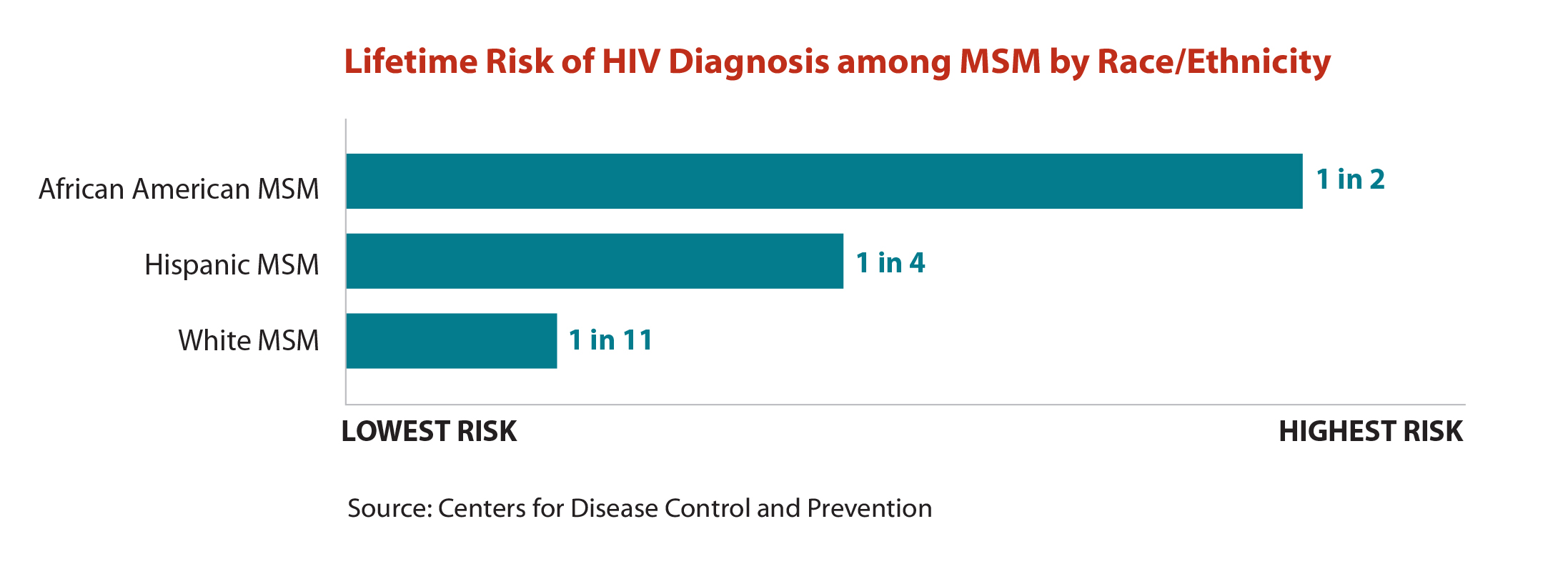
 Though Hispanics are only 17 percent of the population, they make more than 23 percent of new HIV diagnoses each year. In 2013, Hispanics had the second highest rate of new HIV diagnoses compared to other races/ethnicities.
 In 2014, for the third year in a row, reported cases of primary and secondary syphilis – the stages where the infection is most likely to spread – have increased by double digits. In 2012, primary and secondary syphilis increased by 11 percent, in 2013, by 10 percent, and in 2014, by a shocking 15 percent. Monitoring and controlling these STD epidemics are state, territorial, and local public health STD programs, which are the backbone of our national STD infrastructure. However, the current public health infrastructure has been continually strained by budget reductions at the federal, state, and local levels and is cannot sufficiently prepare for the reality of rising rates of STDs, and other outbreaks.


 New strategies to reduce risky sexual behaviors among young gay and bisexual men with human immunodeficiency virus may be needed to reduce new infections, according to a new study.
 m4mHealthInfo.org