People who don’t tell anyone else their HIV status have as good health outcomes as other people living with HIV

From aidsmap.com

[D]oes non-disclosure matter? Is it associated with poorer health outcomes? While a quantitative survey, completed on a single occasion by respondents, has some limitations in terms of the insight it can give into the quality of people’s lives and relationships, these data are reassuring.

Mental health difficulties and adherence problems were quite common among survey respondents. But they weren’t more frequently reported by people who hadn’t disclosed to anyone. After statistical adjustment for other factors that could skew the results, rates of the following were very similar in people who disclosed and people who did not:

  • Low social support.
  • Symptoms of depression.
  • Symptoms of anxiety.
  • Problems with adherence to HIV treatment.
  • A detectable viral load.

In fact, some of the data suggested that having disclosed to most or all friends and family was actually associated with poorer outcomes in gay men. A more selective disclosure strategy was associated with better outcomes.

Read the full article on aidsmap.com.

Anti-HIV drug could reduce HIV in the Latino American community

drugFrom the Latin Post

When ingested daily, PrEP becomes present in the bloodstream and wards off the spread of HIV. The CDC reiterates the importance of taking the pill EVERY day. For those who take the medicines as directed, the risk of getting HIV infection plummets, up to 92 percent lower. However, failing to ingest the pill daily could mean an insufficient amount medicine in the body, and PrEP isn’t guaranteed to block the virus.

“I feel that it’s a great breakthrough in the fight against HIV. I know that we have public health strategy if we don’t drop the ball, as we have in many instances in the past,” Gustavo Morales, Director of Access to Care Services at the Latino Commission on AIDS, said to Latin Post. “Specifically what I mean by this is PrEP cannot be seen as the sole strategy, and it requires a counseling process, such as biomedical intervention that does require peer, hand-to-hand social support. Because, PrEP without adherence, without understanding the facts behind it, without risk awareness, without a conversation, is not effective.”

Read the full article.

New study shows gay and bi men twice as likely to get skin cancer

From USA Today

Gay and bisexual men in the United States are twice as likely as heterosexual men to get skin cancer, a new study shows.

One likely reason: Gay and bisexual men are three times more likely to engage in indoor tanning, according to the study to be presented Friday in San Francisco at a meeting of the American Academy of Dermatology.

The study suggests that anti-tanning messages, most often aimed at young women, need to be broader, says researcher Sarah Arron, an associate professor of dermatology at the University of California, San Francisco. “The primary reason that men and women engage in indoor tanning is because of the cultural association of tanning with a healthy look and overall attractiveness,” Arron says. “We need to dispel the myth of the healthy tan.”

Tanning, whether in the sun or in a tanning bed, can cause skin cancer, including melanoma, the most dangerous kind, according to the U.S. Surgeon General’s office.

Free AIDSINFO drug app: HIV-Related drug information for health care providers and consumers

Healthcare providers and consumers need HIV-related drug information and, increasingly, they depend on mobile devices to access that information. AIDSinfo is meeting both needs with the release of the AIDSinfo Drug App. Using data from theAIDSinfo Drug Database, the drug app provides information on more than 100 HIV-related Food and Drug Administration (FDA)-approved and investigational drugs. The AIDSinfo Drug App—provided free from the National Library of Medicine at the National Institutes of Health—is available for iOS and Android devices.

The information on the AIDSinfo Drug App, offered in English and Spanish, is tailored to meet the needs of both healthcare providers and consumers. The app works offline, ensuring that healthcare providers and consumers can access vital drug information anywhere—even in healthcare facilities that may not have an Internet connection.

The AIDSinfo Drug App pulls FDA labels from Daily Med for approved HIV-related drugs. The app also integrates information on drug nomenclature and chemical structure from ChemIDplus. Information from the labels is condensed in easy-to-understand summaries in English and Spanish for consumers.

Users can also access information on HIV-related drugs under investigation via the AIDSinfo Drug App. The investigational drug summaries, which are developed from the latest clinical trial results, are tailored by audience: technical, more detailed summaries for healthcare providers and less complex summaries in English and Spanish for consumers.

Users can also personalize the AIDSinfo Drug App. According to their needs, users can set pill reminders, bookmark drugs, or add personal notes:

  • Set pill reminders: Medication adherence is crucial to successful HIV treatment, and the app’s medication reminder can help those taking HIV medicines stay on schedule. Choosing from a menu of alarms, app users can set pill reminders for any time of the day and any day of the week.
  • Bookmark drugs: Busy users can bookmark frequently referenced drugs. No more searching for the same drugs again and again.
  • Add notes: App users can also customize drugs with personal notes. For example, patients can add notes during medical visits; healthcare providers can add relevant information useful at the point of care.

Stay tuned as AIDSinfo updates the app with additional features. Visit AIDSinfo to download the drug app to your iOS or Android device. And keep us posted on your experience with the app. We welcome your questions and comments at ContactUs@aidsinfo.nih.gov.

Diagnoses of HIV Infection in the United States 2013 is now available online

map2From the CDC

The Centers for Disease Control and Prevention’s (CDC) annual HIV Surveillance Report titledDiagnoses of HIV Infection in the United States and Dependent Areas, 2013, is now available online [PDF 2.9MB]. The report summarizes information about diagnosed HIV infection from 2009 to 2013 representative of all 50 states, the District of Columbia, and six U.S. dependent areas. Overall, HIV diagnosis rates remain stable yet disparities persist among some groups.

The report shows that the annual rate of diagnosis in the United States remained stable with 15.0 per 100,000 in 2013 compared to 15.3 per 100,000 in 2009.

Despite this, disparities persist—and in some cases—rates have increased among certain groups. As evidenced by this report and other previously released data, gay, bisexual, and other men who have sex with men (MSM); young adults; and racial and ethnic minorities continue to bear the disproportionate burden of HIV…

Continue reading.

HIV health advocates reach gay men at risk on cell phone apps

images (1)From the Washington Blade

Hook-up apps on smartphones continue to be an avenue for HIV health advocates to reach gay men at risk, Bloomberg reports.

Citing surging rates of new infections in gay and bi men 24 or younger, the San Francisco AIDS Foundation and the CDC coordinated an online campaign last month with several dating services to promote testing. The messages, which were donated by the app companies, were seen by 19 million users and more than 30,000 clicked through for more information, Hecht said.

Hornet and Jack’d are among dating apps that have undertaken their own awareness campaigns, deploying them in regions with less public discussion about the virus that causes AIDS. Last year Hornet teamed with a local non-profit in the Philippines to send messages to 94,000 users about testing services, with links for online registration. More than 4,300 men responded, and 539 were HIV positive, said Sean Howell, founder and chief executive officer of the San Francisco-based company.

“Gay men are always on their phone, looking for other gay men,” said Howell, 34, who created Hornet after he realized how much time his friends spent online. “We have 4 million users worldwide who are at the highest risk for HIV and we have their attention.”


February 7 is National Black HIV/AIDS Awareness Day

From AIDS.gov

Like so many Americans, I have seen the tragedy first hand, of friends lost to HIV/ AIDS. I’ve also seen the hope of those living with HIV as we continue to work toward an AIDS free generation.

Each February 7th, we mark National Black HIV/AIDS Awareness Day (NBHAAD). It’s an opportunity for all of us to honor the memory of those we’ve lost, and to call attention to the fact that HIV continues to disproportionately affect African American men, women, and youth.

The numbers are startling: African Americans represent only 14 percent of the U.S. population, but account for almost half of all new HIV infections in the United States per year, as well as more than one-third of all people living with HIV in our nation.

NBHAAD Banner

This year’s NBHAAD theme, “I Am My Brother’s/Sister’s Keeper: Fight HIV/AIDS” challenges all of us to work to eliminate these unacceptable health disparities by ramping up our HIV prevention efforts, encouraging individuals to get tested, and helping those who are living with HIV to access the life-saving medical treatment they need.

One of the ways the Department of Health and Human Services is responding to this charge is by launching a new four-year demonstration project funded through the Secretary’s Minority AIDS Initiative to address HIV disparities among men who have sex with men (MSM), including men of color.

We are focusing on HIV disparities among MSM, including MSM of color, because black gay and bisexual men—particularly young men—remain the population most heavily affected by HIV in the U.S. Young black MSM account for more new infections (4,800 in 2010) than any other subgroup of MSM by race/ethnicity and age. These shocking figures demand that we take action.

The cross-agency demonstration project will support community-based models in strengthening HIV prevention efforts, addressing gaps in care for those living with HIV, and helping meet the health care needs of MSM, including MSM of color. More specifically, the funding will support state and local health departments in providing MSM of color, and other MSM, with the health and social services they need to live healthy lives free of HIV infection. For those already infected, the funding will support community-based services that help MSM of color, and other MSM, get diagnosed and linked to the right care—including substance abuse and mental health treatment as well as necessary social services, like stable housing. Helping people access and remain in HIV care is good medicine and important to our public health—since it lowers individuals’ risk of passing HIV to others.

We all have a role to play in working toward an AIDS free generation. Education and understanding prevention and treatment of HIV is important. And HIV testing is also critical as we continue to tackle this disease. One thing we can all do is speak out – speak out against HIV stigma whenever and wherever you encounter it. Stigma and shame continue to prevent too many people from seeking testing and getting the health care they need to live healthy, active lives.

Read more about HIV among African Americans and efforts to prevent and treat this disease at CDC.gov.

Study shows “it get better,” but…

A new study released in the Journal of Adolescent Health looked at the lives of 231 LGBTQ adolescents to see if it really does get better–referencing the It Gets Better campaign launched by activist Dan Savage. After following the youth for 3.5 years, researchers at Northwest University in Chicago found that, technically, yes, “it gets better.” But the findings also suggested a more complex set of mental health issues at play for LGBTQ youth. In short, things don’t automatically get better. Early experiences of victimization were shown to have a lasting impact on later psychological functioning. As a result, researchers went on to suggest the need for interventions which decrease stigma and victimization at an early age.

You can read more about the study on  Reuters Health.

Study finds H.I.V. drugs priced out of reach

From the New York Times

Drugs to treat H.I.V. and AIDS are being priced out of reach for many patients enrolled in insurance plans through the new health care exchanges, despite warnings that such practices are illegal under the Obama administration’s health care law, according to a new analysis by Harvard researchers.

The study, to be published on Wednesday in an article in The New England Journal of Medicine, looked at 48 health plans in 12 states and found that a quarter of the plans showed evidence of what researchers called “adverse tiering,” or placing all of the drugs used to treat H.I.V. in a specialty tier where consumers are required to pay at least 30 percent of the cost of the drug.

The financial impact can be drastic, the researchers found: A patient taking a common H.I.V. treatment, Atripla, would pay about $3,000 more a year in a restrictive plan compared with someone enrolled in a more generous plan, even after accounting for the fact that the more restrictive plans tended to charge lower monthly premiums.

“That’s really a large cost difference, and really is a very significant financial constraint for those with chronic conditions, particularly H.I.V.,” said Douglas B. Jacobs, the lead author of the study, who is pursuing degrees in public health at the Harvard T. H. Chan School of Public Health and medicine at the University of California, San Francisco.

Continue reading on The New York Times.

Mental health issues put gay and bi men at increased risk for HIV

(Reuters Health) – Gay and bisexual men are at increased risk of acquiring the virus that leads to AIDS if they have mental health problems, according to a new study. What’s more, their risk of acquiring HIV increases with the number of mental health factors they report, researchers found. Past studies have found that mental disorders, ranging from depression to substance abuse, are often seen among men with HIV, but “nothing about whether these factors predict HIV risk behaviors or becoming infected with HIV,” said study leader Matthew Mimiaga, from Harvard Medical School and Massachusetts General Hospital in Boston.

The Centers for Disease Control and Prevention (CDC) estimates that some 1.1 million people in the U.S. are living with HIV. About one case in six is undiagnosed. While the CDC says only about 4 percent of U.S. males have sex with other men, they represent about two-thirds of the country’s new infections. Additionally, it’s known that the lesbian, gay, bisexual and transgender (LGBT) community also suffers from an increased burden of mental health problems.

When two health conditions tend to occur together in one population, researchers call them “syndemic.” For the new study in the Journal of Acquired Immune Deficiency Syndromes, the researchers looked at how five conditions – depression, alcohol abuse, stimulant use, multi-drug abuse and exposure to childhood sexual violence – affect men’s risk of acquiring HIV. They analyzed data on 4,295 men who reported having sex with men within the previous year. The participants were asked about depressive symptoms, heavy alcohol and drug use and childhood sexual abuse.

Read more


CDC annual STD surveillance report: MSM bear a disproportionate burden

From the EdgeMediaNetwork

While anyone can become infected with an STD, certain groups, including young people and gay and bisexual men, are at greatest risk. Gonorrhea and chlamydia primarily affect young people. While surveillance data show signs of potential progress in reducing chlamydia and gonorrhea among young people aged 15-24, both the numbers and rates of reported cases of these two diseases continue to be highest in this group compared to other age groups. 

Both young men and young women are heavily affected by STDs, but young women face the most serious long-term health consequences. It is estimated that undiagnosed STDs cause 24,000 women to become infertile each year. The other group facing the burden of STDs are men who have sex with men (MSM). There has been a troubling rise in syphilis infections among gay, bisexual, and other MSM. Trend data show that MSM account for three quarters (75 percent) of all primary and secondary syphilis cases. 

Primary and secondary syphilis are the most infectious stages of the disease, and if not adequately treated, can lead to long-term infection, which can cause visual impairment and stroke. Syphilis infection can also place a person at increased risk for acquiring or transmitting HIV infection. In fact, available surveillance data indicate that an average of half of MSM with syphilis are also infected with HIV. 

Read the full article here.
Read the CDC report here.

US guidelines on “prevention with positives” now emphasize engagement with care, HIV treatment and social factors

From aidsmap.com

The American public health agency, the Centers for Disease Control and Prevention (CDC) has published new recommendations on the HIV prevention interventions and advice that should be offered to people who are HIV positive.

The CDC last issued guidelines on what is sometimes called ‘prevention with positives’ in 2003. Those guidelines ran to 24 pages and emphasised screening for behavioural risk factors and sexually transmitted infections, one-to-one prevention counselling and advice delivered by clinicians, other behavioural interventions, and partner notification.

All those elements remain but the scope of the new guidelines is much broader, with the recommendations now running to 240 pages. Whereas previous guidelines were clearly focused on the individual’s knowledge and behaviour, the new recommendations take greater account of social and structural factors as well as the profound impact that antiretrovirals have on HIV transmission. For example, an individual may need support with poverty, mental illness, substance use or unstable housing in order to be able to fully engage with medical care and adhere to HIV treatment.

Continue reading on aidsmap.com.

Young gay men describe trust as an HIV prevention strategy

What constitutes safer sex? Sex with a condom? Sex with PrEP (pre-exposure prophylaxis)? Oral sex? At GAYCON 2014, an annual conference on gay and bisexual men’s health in Scotland, researcher Nicola Boydell presented the results of a study that sought to discern young gay men’s attitudes toward safer sex, Aidsmap reports.

The good news: Young gay men see safer sex as more than just condom use. The bad news? Many consider condomless sex within the context of a relationship as being relatively safe, even when they knew nothing about their partner’s HIV testing history.

Yet, the majority of HIV transmissions among gay men happen within the context of a relationship, according to data from a 2009 U.S. study. When speaking of these relationships, men cite trust as the number one reason to take off the condom.

Continue reading on The Body.


U.S. HIV ‘Treatment Cascade’ stats dismal among western nations

From AIDSmeds.com

Compared with other high-income Western nations, the United States fares remarkably poorly in getting people with HIV diagnosed, into stable care, on treatment and to an undetectable viral load, aidsmap reports. Researchers conducted an analysis of the “treatment cascade” figures for Australia, British Columbia (statistics for all of Canada were not available), Denmark, France, the Netherlands, the United Kingdom and the United States. Results were presented at the HIV Drug Therapy Glasgow conference in Scotland.

The estimated rates of HIV diagnosis among the countries ranged from a low of 71 percent in British Columbia to a high of 86 percent in Australia, with the United States at 82 percent. The United States had the lowest rate of linkage to care, at 66 percent, and Denmark had the highest at 81 percent. The United States had by far the lowest rate of HIV-positive people retained in care at 37 percent, with British Columbia the next lowest at 57 percent. Australia’s 76 percent care-retention rate was the highest. 

Because of the United States’ low retention figures, the remainder of the nation’s figures were also markedly lower than the other countries’. The U.S. rate of people with HIV taking antiretrovirals was 33 percent. The high for that figure was the United Kingdom’s 67 percent. The rates of viral suppression were as follows: the United States, 25 percent; British Columbia, 35 percent; France, 52 percent, the Netherlands, 53 percent, the United Kingdom, 58 percent; Denmark, 59 percent; and Australia, 62 percent.

To read the aidsmap story, click here.

To read the conference abstract, click here.

Health Alert – Syphilis infections among gay and bi men growing at an alarming rate

The Allegheny County Health Department has documented an alarming, ongoing increase in Syphilis infections among men who have sex with men in the greater Pittsburgh area. Syphilis is a sexually transmitted disease that, if untreated, can cause serious health problems. You can get Syphilis and not have any initial symptoms so the only way to know you’re infected is to get a simple blood test. Syphilis is 100% curable.

The Health Department suggests all sexually active gay and bi men get tested for Syphilis. To find free testing near you, go to https://gettested.cdc.gov/.

You can also call the Allegheny Health Department to find out more about getting a free test: (412) 578-8332.

___

To find out more about Syphilis go to the CDC Website at http://www.cdc.gov/std/syphilis/

To read the official Allegheny Health Department press release, Syphilis health alert November 17 2014.

The Body’s “10 Moments in HIV Empowerment in 2014″

From TheBody.com

logo_notopicsIt’s more than 30 years into the HIV/AIDS epidemic, and around 35 million people are living with HIV/AIDS,according to the Joint United Nations Program on HIV/AIDS (UNAIDS). About 50,000 new infections per year happen in the U.S. — and black and Latino Americans are disproportionately affected. Men who have sex with men — especially those of color — have among the highest infection rates across the globe.

The elusive search for a “cure” and a preventive vaccine may succeed one day — but unfortunately it may not be soon enough to help the millions of people living with HIV/AIDS today. But despite significant obstacles, there are some reasons for celebration this World AIDS Day. Here is our look at “10 Moments in HIV Empowerment in 2014.”

Read the 10 moments in HIV Empowerment on TheBody.com

PrEP use rising in United States among men

From aidsmap.com

The number of people using Truvada for pre-exposure prophylaxis (PrEP) in the US is increasing and a growing proportion of users are men, according to an analysis of data from approximately half of American pharmacies presented this week at the HIV Drug Therapy Glasgow conference.

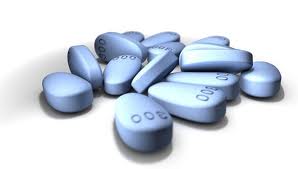
PrEP refers to the use of antiretroviral medications to prevent HIV infection. Gilead Sciences’ Truvada(tenofovir + emtricitabine) taken once daily was shown to be effective in the iPrEx study of mostly gay and bisexual men, reducing the risk of HIV infection by 42% overall, rising to 92% among participants with blood drug levels indicating regular use. A mathematical model suggested that taking Truvadafour times per week would provide 99% protection, and in an open-label extension of iPrEx none of the men who took Truvada at least this often became infected.

The US Food and Drug Administration (FDA) approved once-daily Truvada for PrEP in July 2012. In May of this year, the US Centers for Disease Control and Prevention (CDC) recommended that people at ‘substantial risk’ should consider PrEP to prevent HIV infection, and the World Health Organization (WHO) has also recommended PrEP as an option for at-risk gay men.

Yet uptake of Truvada PrEP has not been as widespread as many had hoped, facing barriers such as lack of awareness among people at risk for HIV, resistance from some medical providers and inconsistent insurance coverage.

Continue reading on aidsmap.com.

Gay-rights organization endorses the use of a once-a-day pill to prevent HIV infection

From ABC News online

Some doctors have been reluctant to prescribe the drug, Truvada, on the premise that it might encourage high-risk, unprotected sexual behavior. However, its preventive use has been endorsed by the Centers for Disease Control and Prevention, the World Health Organization, and many HIV/AIDS advocacy groups

The Human Rights Campaign, which recently has been focusing its gay-rights advocacy on same-sex marriage and anti-discrimination issues, joined those ranks with the release of a policy paper strongly supporting the preventive use of Truvada. It depicted the drug as “a critically important tool” in combatting HIV, the virus that causes AIDS. “HRC does not take this position lightly,” the policy paper said. “We recognize there is still ongoing debate … and that there are those out there who will disagree with our stance.”

Truvada has been around for a decade, serving as one of the key drugs used in combination with others as the basic treatment for people with HIV. In 2012, the Food and Drug Administration approved it for pre-exposure prophylaxis, or PrEP — in other words, for use to prevent people from getting sexually transmitted HIV in the first place. “Today, there is an unprecedented chance to end the HIV/AIDS epidemic, in part through PrEP’s aggressive prevention of new HIV infections,” said Chad Griffin, president of the Human Rights Campaign. “There is no reason — medical or otherwise — to discourage individuals from taking control of their sexual health and talking to their doctor about PrEP.”

The CDC says studies have shown that Truvada, when taken diligently, can reduce the risk of getting HIV by 90 percent or more. Research discussed at the International AIDS Conference in July found that use of the drug does not encourage risky sex and is effective even if people skip some doses.

As part of its announcement, the Human Rights Campaign called on insurers, regulators and Truvada’s manufacturer to take steps to reduce costs, raise public awareness, and make the option available to all medically qualified individuals who could benefit from it, regardless of ability to pay.

The cost of Truvada varies widely; a New York State Health Department fact sheet gives a range of $8,000 to $14,000 per year. The manufacturer, California-based Gilead Sciences Inc., has a program that provides assistance to some people who are eligible to use Truvada but cannot afford it.

The Human Rights Campaign urged all states to emulate Washington state, which implemented a program earlier this year offering assistance in paying for PrEP. The preventive option also was endorsed by New York Gov. Andrew Cuomo when he announced initiatives in June aimed at ending the state’s AIDS epidemic by 2020.

The HRC called on state insurance regulators to take action against any insurers who deny legitimate claims from patients who’ve been prescribed PrEP by their doctors.

A prominent provider of services to HIV-positive people, the Los Angeles-based AIDS Healthcare Foundation, remains a vocal critic of the preventive use of Truvada. In an ad campaign launched in August, the foundation says many gay men fail to adhere to Truvada’s once-a-day regimen and describes government promotion of the drug as “a public health disaster in the making.”

Less than half of HIV-pos U.S. Hispanics getting proper care

From U.S. News and World Report

Even though Hispanics in the United States become infected with HIV at rates triple those of whites, less than half of Hispanics with the virus are receiving adequate treatment, a new report finds. The report, based on 2010 U.S. government health data, finds that while 80 percent of HIV-infected Hispanics do receive care soon after their diagnosis, only about 54 percent continue that care and only about 44 percent receive the virus-suppressing drugs they need to stay healthy.

The researchers, led by epidemiologist Zanetta Gant of the U.S. Centers for Disease Control and Prevention (CDC), also found that only 37 percent of the more than 172,000 HIV-positive Hispanic adults in the United States have the virus under control. HIV is the virus that causes AIDS. The findings “underscore the need for enhanced linkage to care, retention in care, and viral suppression for Hispanics or Latinos,” Gant’s team writes in the Oct. 10 issue of the CDC journal Morbidity and Mortality Weekly Report.
Continue reading on U.S. News and World Report.