Start talking and stop HIV

The Centers for Disease Control and Prevention (CDC) has launched their latest communication campaign under its Act Against AIDS initiative – Start Talking. Stop HIV. This new national HIV prevention campaign is the result of input from more than 500 gay and bisexual men from various racial and ethnic groups, ages, and geographic areas across the United States. The campaign was created by and for gay and bisexual men to promote open communication about a range of HIV prevention strategies for sexual partners.

Start Talking. Stop HIV. features messages that engage, inspire, and spark conversations between sexual partners and provides gay and bisexual men with practical tools and tips for talking about important HIV prevention topics like:

  • HIV testing and their HIV status,
  • Condoms and engaging in lower-risk sexual behaviors,
  • Medicines that prevent and treat HIV, including the use of pre-exposure prophylaxis (PrEP), post-exposure prophylaxis (PEP), and antiretroviral therapy (ART).

More than thirty years after the first diagnosis of AIDS in the United States, gay and bisexual men continue to be the population most severely affected by HIV nationwide, due to a number of complex factors.

Research shows that communication between sexual partners is associated with reduced risk behavior and increased HIV testing and HIV status disclosure; however, many gay and bisexual men may still find it difficult to talk openly with their sexual partners about HIV prevention.

A dedicated campaign website and Facebook Page  provide conversation starters and accurate information to inform these life-saving conversations.

Study supports benefits of beginning HIV therapy early

From aidsmeds.com

Starting antiretroviral (ARV) treatment for HIV before CD4 cells drop too low reduces the risk of AIDS and HIV-related illnesses, according to the same large study that proved early ARV treatment reduces the risk of HIV transmission by 96 percent, aidsmap reports. Called HPTN 052, the study was a large multi-site trial conducted in 13 sites in nine countries. Results were published in Lancet Infectious Diseases.

The trial randomized 1,762 HIV-positive participants who had CD4s between 350 and 550 to either begin ARVs immediately or to wait until their CD4 levels had either dropped to 250 or until they developed a symptomatic disease related to HIV. The median CD4 count at the study’s outset was 436. The participants were followed for a median of 2.1 years.

A total of 57 participants (6 percent) who started treatment early and 77 (9 percent) who delayed treatment experienced one or more of the following (considered a “primary outcome”): death, an AIDS diagnosis, tuberculosis (TB), a severe bacterial infection, cardiovascular disease, serious liver or kidney disease, non-AIDS cancers or diabetes. The cumulative two-year probability of such an outcome was 4.8 percent for the early treatment group, compared with 7.9 percent for the delayed treatment cohort. Although there was a 27 percent reduced risk of a primary outcome among those who started early, this difference was not statistically significant, meaning it could have occurred by chance.

Five percent of those in the early treatment group were diagnosed with an AIDS-defining event, compared with 7 percent among those who delayed treatment. The cumulative two-year probability of an AIDS diagnosis was 3.3 percent in the group that started ARVs early and 6 percent in those who delayed. Starting treatment early lowered the risk of an AIDS-defining illness by 36 percent, a difference that was statistically significant.


Just-released guidelines: Pre-Exposure Prophylaxis (PrEP) use for HIV prevention

From AIDS.gov

The U.S. Public Health Service and the Centers for Disease Control and Prevention released guidelines for the use of daily oral antiretroviral pre-exposure prophylaxis, or PrEP, for HIV infection, entitled: Preexposure Prophylaxis for the Prevention of HIV Infection in the United States – 2014 [PDF 867KB].

These guidelines provide health care providers with recommendations on the use of PrEP to prevent HIV, and include a supplement [PDF 690KB] with additional materials and tools for clinicians who prescribe PrEP and their patients. These guidelines replace previous interim guidance released by CDC for the use of PrEP.

CDC recommends PrEP for HIV-uninfected patients at substantial risk for HIV infection, including patients who have any of the following indications:

  • Is in an ongoing relationship with an HIV-infected partner;
  • Is not in a mutually monogamous relationship with a partner who recently tested HIV-negative; and is a
  • gay or bisexual man who has had sex without a condom or been diagnosed with a sexually transmitted infection within the past six months;
  • heterosexual man or woman who does not regularly use condoms when having sex with partners known to be at risk for HIV (e.g., injecting drug users or bisexual male partners of unknown HIV status); or
  • Has, within the past six months, injected illicit drugs and shared equipment or been in a treatment program for injection drug use.

PrEP is a powerful HIV prevention tool. However, for sexually active people, no prevention strategy is 100% effective. Therefore, the guidelines also recommend that physicians encourage patients to use PrEP with other effective strategies—like using condoms, testing for HIV with partners, reducing the number of partners, and having partners who are HIV positive take antiretroviral therapy—to provide even greater protection from HIV.

To achieve the full promise of PrEP, each of us has a critical role to play. Clinicians play a central role in increasing awareness and the delivery of this new prevention method when there are indications for its use. Advocates can help raise PrEP awareness and understanding about PrEP, especially in at-risk populations. Medical associations and professional organizations can help educate providers and share clinicians’ experiences delivering PrEP, and HIV prevention programs can integrate PrEP education into existing activities.

We mark a milestone with the release of these new guidelines—a promising tool for HIV prevention, and one that has the potential to alter the course of the U.S. HIV epidemic.

For more about PrEP and its use. Please visit the CDC PrEP page.

Pitt breakthrough may improve HIV treatment

From the Triblive.com

A discovery about how HIV spreads through the human body could help doctors tame the virus in some infected patients, researchers say. Findings at the University of Pittsburgh Graduate School of Public Health show the disease moves slowly in people whose immune cells are low in cholesterol. That suggests HIV patients might live longer if researchers can regulate cholesterol metabolism in those cells, said lead author Giovanna Rappocciolo.

“We think it’s important because it’s a very new approach to the study of the HIV infection. I think it could be significant,” said Rappocciolo, an assistant professor in the Department of Infectious Diseases and Microbiology at Pitt. Her work with department Chairman Charles Rinaldo appears Tuesday in mBio, the journal of the American Society for Microbiology. Funded through the National Institutes of Health, their discovery caps several years of research focused on eight men in the Pittsburgh area.

The men are among 5 percent to 10 percent of the more than 1.1 million people in the United States living with HIV who can stay healthy for seven years — or longer — without conventional therapies, Rappocciolo said. Those patients had low cholesterol levels inside certain cells that spread HIV in the body, Rappocciolo and several Pitt colleagues found. Researchers relied on data assembled over 30 years through the Pitt Men’s Study, part of the NIH-supported Multicenter AIDS Cohort Study spanning four cities.

“Results like ours are the real payoff of the past three decades of meticulous data and specimen collection,” Rinaldo said in a statement. Rappocciolo said their department has received more than $70 million for research related to AIDS, the final stage of the HIV disease that severely inhibits the immune system. Rappocciolo stressed her findings do not mean that HIV patients with low-cholesterol diets are safeguarded.

Read more at triblive.com 

Marking a scientific milestone

research pageFrom the Huffington Post
by John-Manuel Andriote
Journalist and author, ‘Victory Deferred: How AIDS Changed Gay Life in America’

Thirty years ago, in an April 23, 1984 press conference in Washington, D.C., the world learned that American microbiologist Robert C. Gallo and his colleagues at the National Cancer Institute had proved that a retrovirus first seen by their counterparts at Institut Pasteur in Paris was the cause of AIDS.

Secretary of Health and Human Services Margaret Heckler also announced that day that the Gallo team had created a blood test to detect antibodies produced by the body to fight infection. With it we finally had the ability to know who was infected, to screen donated blood and to track the spread of the virus.

By the time of the announcement, 4,177 AIDS cases had been reported in the United States across 45 states. New York City alone accounted for more than 1,600 cases. San Francisco, far smaller than the nation’s largest city and the East Coast’s biggest gay mecca, had more than 500 cases. The majority of these cases were among gay men of all skin tones.

Although the HIV test was originally intended to screen the blood supply, it became available to the public in early 1985. After early uncertainty about what, exactly, a positive test meant, it became clear it meant that a microbial time-bomb was ticking inside you, set to explode at some unpredictable time in a nightmare that would eventually lead to your death from the cancers, dementia, brain infections and other horrors that attack a body when HIV has destroyed the immune system.

Continue reading on the Huffington Post.

Combating HIV by zip code

Minority neighborhoods in the U.S. are hit as hard by HIV as gay enclaves

From Healthline.com

HIV rates in some urban American neighborhoods rival those of Haiti and Ethiopia, according to a researcher at Brown University in Providence, R.I.

And while affected communities include big-city gay enclaves, such as New York’s Chelsea district, minority neighborhoods in the Bronx and Harlem make the list, too. The difference is that those in mostly white neighborhoods are more likely to be tested and treated than those in minority neighborhoods.They are also less likely to die of AIDS.

In an era of Internet targeting, Dr. Amy Nunn’s approach of going door-to-door if necessary to reach people with HIV may seem old-fashioned. But in areas with limited access to health care, employment, and education, HIV experts agree that a new model is needed to reach at-risk groups of black and Hispanic Americans.

Of the 50,000 new HIV infections in the U.S. in 2010, gay and bisexual men accounted for two-thirds of them, according to the U.S. Centers for Disease Control and Prevention (CDC). Black men and women are eight times more likely to become infected than whites, based on population size. Of all groups, white men who had sex with men comprised the largest segment of new infections, at 11,200. Black men who had sex with men were second, with 10,600 new infections.

Dr. Nunn, an assistant professor of medicine at Brown, told Healthline that more money must be targeted toward poor and minority neighborhoods. “If this were happening to white people there would be protests,” she said. “It’s so easy to overlook poor people.”

Of the more than 1.1 million people in the U.S. living with HIV, almost 16 percent don’t know they have it, according to the CDC. Powerful antiretroviral medications available to most everyone in the U.S. can suppress viral loads to the point that transmission is unlikely. But they will only work if they are taken regularly.

“We’ve got to get these people into treatment come hell or high water,” Nunn said.

Continue reading on Healthline.com.

Hook-up risks higher with non-gay-identified men

From the Washington Bladecraigslist image

A newly published study found evidence that men having sex with men use the Internet to find sexual partners who do not identify as gay, either to fulfill a fantasy or because it allows anonymous sexual encounters without discovery. The findings, conducted by Eric Schrimshaw, Ph.D. at Columbia University’s Mailman School of Public Health and Martin Downing Jr., Ph. D. of the National Development and Research Institutes, were published in the online journal “Psychology of Sexual Orientation and Gender Diversity” published by the American Psychological Association.

To examine the subgroup of men seeking non-gay-identified (NGI) men in the online sexual marketplace, the researchers reviewed 1,200 Internet personal ads posted on Craigslist and selected 282 for analysis. They performed comparisons of two categories of personal ads: those seeking encounters with NGI men, including straight, bisexual, married, curious and men on the “down low”; and a contrasting set of ads that did not specifically seek NGI men.

Among the ads studied, 11 percent were placed by men seeking NGI partners. Although men who posted NGI-seeking ads were more likely to self-identify as bisexual, married, and/or discreet and to seek out an anonymous encounter relative to the ads of comparison men, only 24 percent of online advertisements seeking NGI men were posted by men who were themselves non-gay-identified. This suggests that many of the posts are placed by gay men seeking NGI men, perceived by some gay men to be more masculine, dominant or “straight-acting.” Only a small number of ads by NGI-seeking men mentioned safe sex or condom use.

Obama appoints HIV/AIDS activist as new AIDS czar

From the Washington Times

President Obama on Monday appointed as his new AIDS czar Douglas Brooks, an activist on health care policy who has been living with the HIV virus for more than 20 years. Mr. Brooks has served most recently as senior vice president at the Justice Resource Institute in Boston, a nonprofit which provides outreach mental health treatment and services people with HIV/AIDS. He also has served on the National Black Gay Men’s Advocacy Coalition in Washington, and was appointed by Mr. Obama in 2010 to the Presidential Advisory Council on HIV/AIDS. “Douglas’s policy expertise combined with his extensive experience working in the community makes him uniquely suited to the task of helping to achieve the goal of an AIDS-free generation, which is within our reach,” Mr. Obama said in a statement. “I look forward to having him lead our efforts from the White House.”

As director of the White House Office on National AIDS Policy, Mr. Brooks will lead the administration’s work to reduce new HIV infections, improve health outcomes for people living with HIV, and eliminate HIV health disparities in the United States, the White House said. A licensed social worker, Mr. Brooks replaces Dr. Grant Colfax, who served in the post for two years.

Read more: http://www.washingtontimes.com

The fight against HIV/AIDS is vital to a future without tuberculosis

From AIDS.gov

On Monday, March 24, 2014, the U.S. President’s Emergency Plan for AIDS Relief (PEPFAR) joined the international community in commemorating World TB Day and those who have lost their lives to this terrible disease; TB is second only to HIV/AIDS in global deaths due to infectious diseases. Moreover, the World Health Organization estimates that at least one-third of the nearly 36 million people living with HIV/AIDS are also infected with TB. TB is the leading cause of death among people living with HIV in sub-Saharan Africa. With these two diseases so closely linked, the 2015 Millennium Development Goal of a 50 percent reduction of TB-related deaths is integral to achieving an AIDS-free generation.

Despite the staggering cost of lives due to co-infection between TB and HIV, we at PEPFAR, in conjunction with our partners implementing TB programs around the world, are encouraged to see progress over the past few years in combatting co-infection. In 2012:

  • Rates of ART coverage among TB/HIV patients globally rose from 49 percent in 2011 to 57 percent.
  • 4.1 million people enrolled in HIV care were screened for TB in 2012, up from 3.5 million in 2011.
  • The percentage of TB patients who knew their HIV status rose from 69 percent in 2011 to 74 percent in sub-Saharan Africa.

The effects of co-infection between HIV and TB cannot be understated which is why PEPFAR addresses the deadly links between these two diseases as a top policy and programmatic priority. Our efforts are focused on prevention, care, and treatment programs as outlined in the 2012 PEPFAR Blueprint [PDF 2.83KB].

Read the full article on AIDS.gov.

Black voices: leveraging digital tools to reach and engage Black gay men

From AIDS.gov

More Americans than ever before have access to Internet-enabled technologies and are participating in online social networking platforms. This trend is particularly notable among women, African-Americans, and Latinos and provides hope that effective use of new social technologies could reshape how we reach, engage, and mobilize vulnerable populations such as Black gay men (BGM) and other men who have sex with men (MSM) who are disproportionately impacted by the domestic HIV epidemic. For example, recent data from the The Pew Research Center’s Internet & American Life Project indicate that while the digital divide persists as it relates to Internet access, African-Americans use mobile devices at the same rate as their peers and lead the way in participation in social media such as Twitter.

There is little data available about how BGM/MSM are using social technologies. So, last year, as part of ongoing efforts to improve the health and wellbeing of BGM/MSM, The National Black Gay Men’s Advocacy Coalition (NBGMAC) launched a national survey to learn about the online communication habits of Black gay men. The survey’s goals are to better understand how BGM/MSM use the Internet to communicate and receive national health policy and advocacy information. The data gathered from this survey will contribute to our understanding of how to effectively leverage the Internet for outreach and engagement around health information and national policy issues of importance to BGM/MSM across the nation.

Preliminary survey data highlight the importance of social networking platforms like Facebook in connecting with communities of Black gay men and sharing health policy and advocacy information. The data also reflect a notable level of interest in biomedical HIV prevention tools like Pre-Exposure Prophylaxis (PrEP). Findings like these point to the growing importance of making information available about HIV prevention in a way that meets the needs of the populations most impacted the epidemic. If you are a Black gay, bisexual or same-gender loving man, please take a moment to complete the brief survey and share with your networks. If not, please also consider sharing with any colleagues, friends or loved ones who may be willing to participate and help us to shed light on the communication, health information, and policy and advocacy needs of this underserved community.

To complete the survey, click here or copy and paste the survey’s URL into your Internet browser: http://svy.mk/15KFMwc .

Obamacare insurers prohibited from discriminating against same-sex marriages

From  the Washington Blade

The Obama administration clarified on Friday that insurers are prohibited from discriminating against same-sex marriages for the purposes of non-grandfathered family coverage — even if applicants are applying in non-marriage equality states. In guidance dated March 14, the Centers for Medicare & Medicaid says existing provisions in the health care reform law prohibiting discrimination by insurers on the basis of gender — which the Obama administration has interpreted to extend non-discrimination protections based on sexual orientation and gender identity — also requires insurers not to refuse family coverage for married same-sex couples.

The guidance is set up as Q&A. The question is “If a health insurance issuer in the group or individual market offers coverage of an opposite-sex spouse, may the issuer refuse to offer coverage of a same-sex spouse?” The response starts off simply, “No.”

“This section prohibits an issuer from choosing to decline to offer to a plan sponsor (or individual in the individual market) the option to cover same-sex spouses under the coverage on the same terms and conditions as opposite sex-spouses,” the guidance states. Alicia Hartinger, a CMS spokesperson, said the guidance spells out that non-discrimination is the rule for insurers — both on and off the health insurance exchanges — when selling policies.

Continue reading on The Washington Blade.


Pitt will be part of $3.2M grant to help solve epidemic among African-American MSM

From the Pittsburgh Post Gazette

African-American men who have sex with other men typically are more conservative in sexual behavior than gay men in general. So why are they far more likely to contract HIV/AIDS?

“Generally, they take far fewer risks than white guys. They are much more conservative than gay men in general. But it’s a 30-year-long epidemiological puzzle,” said Ron Stall, in the department of behavioral and community health sciences at the University of Pittsburgh Graduate School of Public Health. “Where’s all the virus coming from? If you can’t answer that question, you can’t do HIV prevention.”

The graduate school and the Center for Black Equity in Washington, D.C., now hope to answer that question. They’ve landed a $3.2 million grant through the National Institute of Nursing Research at the National Institutes of Health to answer the question and help put the brakes on the national epidemic of human immunodeficiency virus and the deadly disease that HIV causes — acquired immune deficiency syndrome, known as AIDS. The research team plans to survey nearly 6,000 African-American men who attend annual Black Gay Pride events in Atlanta, Chicago, Los Angeles, Philadelphia and Washington, D.C., which draw about 300,000 participants annually.

“We will bring the community, and Pitt will bring the science,” said Earl Fowlkes, president and CEO of CBE. “We hope to get answers to help both institutions and all of society. This is the most important thing we’ve done in the history of our organization.” The study will create the largest sample of HIV-related data ever collected from African-American MSM, “and that will yield important data about the health and well-being of our community,” Mr. Fowlkes said.

Read more: http://www.post-gazette.com/

University of Pennsylvania rolling out health initiative for LGBT individuals

From the University Herald online

The University of Pennsylvania is rolling out a health initiative for lesbian, gay, bisexual and transgender individuals in an effort to bring them into the medical mainstream, The Philadelphia Inquirer reported. The Penn Program for LGBT Health will span the medical, dental and nursing schools as well as the region’s largest health system. Hospitals and universities have begun tackling LGBT health since issues like gay marriage have been gaining in public acceptance. “We really want to do more. We want to do research. We want to change the climate and culture,” Baligh Yehia, 31, an infectious-diseases doctor who spearheaded Penn’s program, told The Philadelphia Inquirer. “To really prepare the next generation of clinicians to be sensitive to the needs of people.”

The goal of the program is to improve the care of LGBT populations by becoming a local and national leader in LGBT patient care, education, research, and advocacy. The program will include a three-hour curriculum involving transgender health that is now mandatory for first-year students. The course will teach students about the human body with Trans examples, The Philadelphia Inquirer reported. For example instructors will use the body’s physiological changes during hormone therapy to help students understand the endocrine system. Medical students at the university will also receive less than five hours of training on LGBT issues courses on lesbian, gay and bisexual health. The idea for this program came out of a daylong planning retreat that the program’s organizers held in the fall.

Continue reading here.

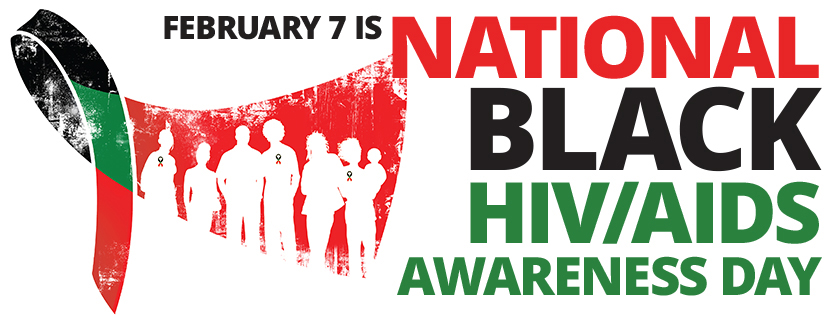
February 7 is National Black HIV AIDS Awareness Day

Nat Black HIV wareness dayFriday, February 7 is National Black HIV AIDS Awareness Day (NBHAAD). There are many ways you can help increase HIV awareness and work to reduce the impact of HIV in the black community in support of NBHAAD. Check out this list of Ten Things You Can Do for NBHAAD. Also, please join the Twitter Town Hall sponsored by the Centers for Disease Control and Prevention (CDC) and AIDSVu, with the NBHAAD Strategic Leadership Committee (Twitter: @NatBlackAIDSDay) and the National Association for the Advancement of Colored People (NAACP) (Twitter: @NAACP). The theme is “How do we end the HIV epidemic in Black America?”and will take place on Friday, February 7 at 12 pm Eastern Time.

The hashtag #NBHAADchat will be used for the Twitter Town Hall. Everyone is encouraged to participate. For more information on NBHAAD or to find and NBHAAD event, go to http://nationalblackaidsday.org/.

Groundbreaking study aims to develop a cure for HIV


From The Philadelphia Gay News

With the support of a multimillion-dollar federal grant, several local organizations are taking part in a groundbreaking study that aims to develop a cure for HIV. The Wistar Institute, in partnership with Philadelphia FIGHT, the University of Pennsylvania, University of California and Merck, is undertaking a trial study based on a therapeutic strategy that has already shown promise at reducing HIV-1 virus levels.

Dr. Luis J. Montaner, a professor at The Wistar Institute and director of Wistar’s HIV-1 Immunopathogenesis Lab, and collaborators received a four-year, $6.2-million grant from the National Institute of Allergy and Infectious Disease of the National Institutes of Health to support the study. Montaner said his team has been pursuing the grant for several years. “There is a lot of preamble before the award is given,” he said. “We have been chasing the opportunity to do this study since 2011.”

The study is based on a prior pilot trial in which a protein called interferon-alpha was shown to reduce persistent HIV-1 in patients being treated with antiretroviral therapy. The grant will pay for the management of the clinical and administrative expenses of the study and for laboratory follow-up, which will allow researchers to calculate the study’s outcome. Montaner said the team will perform an initial evaluation of the study in mid-2016, and it will be finalized in 2018.

Read more: PGN-The Philadelphia Gay News

Legacy aims to end high rates of smoking by the LGBT community

From the Edge on the Net

Pennsylvania-Woman-Tells-Teens-to-Get-a-Job-Is-Shot-over-a-Cigarette-2Did you know that gays smoke cigarettes at rates nearly 70 percent higher than the general population, and tobacco companies target the LGBT community specifically? There are 440,000 preventable deaths from tobacco-related causes each year. Maybe it’s time to make that resolution happen, and let Legacy help you kick that butt for good.

“Legacy has been working to support the LGBT community since its inception, doing everything from funding grant projects to listening sessions, convening folks to talk about issues facing the community,” said Legacy’s Senior Vice President of Collaboration and Outreach William Furmanski. “Last year we had a report published with our findings and hosted a webinar to have a national dialogue.” Legacy is a Washington, D.C.-based foundation responsible for truth®, the national youth smoking prevention campaign that has been cited as contributing to significant declines in youth smoking. Their education campaigns include EX®, an innovative public health program designed to speak to smokers in their own language and change the way they approach quitting. Legacy helps people live longer, healthier lives by building a world where young people reject tobacco, and anyone can quit.

Furmanski cited statistics that reveal the LGBT community has some of the highest rates of smoking among any population group — in fact, dramatically higher than the public at large. This means that the disease and death caused by tobacco use impacts our community at a much higher rate. “Anything we can do to help individuals understand the risks in smoking and how they can improve their health by quitting, and strategies used by the tobacco industry to attract them to a product are important,” said Furmanski. “We realized that even just relaying these harms would help the LGBT community, because tobacco use takes a back seat to other health issues in our community like HIV/AIDS. Many people think smoking can be okay to deal with the stress in life.”

Read the full article on edgeonthenet.com 

HIV testing and linkage to care available for young gay, bi and transgender African Americans via Project Silk

projectsilkProject Silk is a service project for young adult gay, bisexual or transgender African Americans. It’s a partnership between the Pennsylvania Department of Health and the University of Pittsburgh and is run by Anthony Silvestre, PhD, and Mackey R. Friedman, PhD, MPH, of the department of infectious diseases and micobiology in Pitt’s Graduate School of Public Health. Project Silk provides a safe, youth-centered space in downtown Pittsburgh and is open four nights a week. An on-site social worker is available and helps connect young people to important services such as housing, employment and health care. HIV testing and linkage to care are available during drop-in hours, and a private office can be requested. The project includes a mix of structured programming, such as civic discussion groups. There’s also unstructured time for young people to practice dance moves and prepare for house balls, which are competitive dance events.

Read more on newpittsburghcourieronline.com


Reducing health disparities for LGBT Americans through the Affordable Care Act

Seeking to reduce health disparities for lesbian, gay, bisexual, and transgender (LGBT) Americans through the Affordable Care Act (ACA), the National LGBT Health Education Center at The Fenway Institute, and the Center for American Progress, have released “Optimizing LGBT Health under the Affordable Care Act: Strategies for Health Centers,” a guide detailing how the ACA will improve LGBT health and best practices for health centers to increase enrollment of LGBT people in coverage under the ACA. Download a free copy of the PDF here.

“The long history of discrimination in health care and societal bias against lesbian, gay, bisexual, and transgender people has created alarming health disparities for this community,” said Harvey Makadon, MD, Director of the National LGBT Health Education Center. “LGBT people have disproportionately high rates of tobacco use, HIV infection, encounters with violence and homelessness, elevated rates of depression and suicide attempts, and reduced access to preventive health services. The ACA reforms described in our guide represent a critical step toward addressing these disparities and improving the health of LGBT Americans.”

Keep reading on  10thousandcouples.com.

HPV common among young gay men

(Reuters Health) – Gay teenagers who have had at least four sexual partners are at increased risk of contracting human papillomavirus (HPV), a new study suggests. At least half of sexually active people get HPV at some point in their lives, according to the Centers for Disease Control and Prevention. Previous research has suggested most adult gay men have the sexually transmitted infection. HPV is usually cleared by the immune system but can cause genital warts and anal cancer, as well as cervical cancer among women. “In this study we found rates of anal infection increased rapidly with increasing numbers of partners with whom they have received anal sex,” senior author Marcus Y. Chen said. “The virus is presumably being transmitted from penis to anus.” Chen is an associate professor in the School of Population and Global Health at the University of Melbourne in Australia.

The CDC recommends boys and girls get vaccinated against HPV at age 11 or 12, before becoming sexually active. There are two versions of the HPV vaccine, one of which is available for boys. The vaccine is very effective if given before a person is exposed to HPV but provides “diminishing protection” after that, Dr. Ross D. Cranston told Reuters Health. “Thus if there is a high rate of HPV acquisition, as we also see in girls, there is a lost opportunity to provide protection if the HPV vaccine is not given early,” he said. Cranston, who was not involved in the new study, directs the Anal Dysplasia Clinic and Research Program at the University of Pittsburgh Medical Center in Pennsylvania.

Chen and his team tested 200 young gay men age 16 to 20 for HPV and genital warts and gave them a sexual history questionnaire. risk forms of the virus, and 11 percent tested positive for two or more forms. Men who’d ever had vaginal sex or anal sex were more likely to test positive for penile HPV, according to results published in the Journal of Infectious Diseases. Among men who had never received anal sex, 10 percent tested positive for anal HPV. That compared to nearly half of those who said they’d had at least four anal sex partners. The finding that some young men who reported never receiving anal sex tested positive for anal HPV suggests the virus can be transmitted in other ways, the authors write.

About 7,000 people in the U.S. will be diagnosed with anal cancer in 2013, according to the American Cancer Society. Rates are higher among gay men than heterosexual people, Chen noted. Of the many types of the HPV virus, HPV 16 is most commonly associated with anal cancers. “Our study found that gay male teens acquire the HPV virus including HPV 16 very soon after they first become sexually active,” Chen told Reuters Health. “This means that the HPV vaccine, which has been shown to be effective in preventing HPV infection in males, including anal infection in gay men, needs to be given very early on, preferably before gay teens start to have sex.”

Many countries routinely vaccinate all girls against HPV. But as of 2013, Australia is the only one to implement universal and free vaccination of boys at school, Chen said. “This is great news for boys in Australia including those that are gay but in other countries the absence of such a program means gay males will miss out on anal cancer prevention,” he said. Some gay teens might be reluctant to admit their sexuality and ask for the vaccine, he said. Gay men are no more susceptible to HPV than heterosexual men, but more often have anal infections, Cranston said. He said doctors can increase awareness and the likelihood that boys will be vaccinated against HPV through conversations with their parents.

Source: http://www.chicagotribune.com/health/sns-rt-us-hpv-common-20131205,0,3548102.story#ixzz2mzRm0gTb

Health and Human Services celebrates the imporved wellbeing of people living with HIV

The Department of Health and Human Services (HHS) honors World AIDS Day 2013 and celebrates the improved wellbeing of millions of people around the world living healthy and full HIV-positive lives. As the care and treatment of people living with HIV/AIDS has expanded so has the number of people living long HIV-positive lives. As of 2012, nearly 10 million people throughout the world were receiving antiretroviral therapy Exit Disclaimer, vastly improving their quality of life and reducing the number of early deaths due to the disease. And recent changes to the World Health Organization’s treatment guidelines are expected to substantially increase the number of people qualifying for treatment.

Widespread access to HIV medications and treatments, principally through PEPFAR and the Global Fund, has changed the course of HIV infection from an acute and deadly infection to a chronic disease requiring long-term care management. While this means a diagnosis is no longer a death sentence, it also means health systems now need to be prepared to address the long-term care needs of those living—sometimes for decades—with HIV.

Continue reading at AIDS.gov.