
From Out online…
Depression is weird. Sometimes, you have to sweat it out. The reps, weights, and endorphins of gym life pushed me through bad months. Some years ago, a meme went around of a cartoon man flexing his arms in a mirror with a thought bubble over his head: “Yep, still dead inside!” At the time, I thought, Yep, that’s me.
I don’t think all gym gays are like me, but a lot of us are fighting shame, body dysmorphia, or just the fact that we grew up disconnected from others. In The Velvet Rage, the clinical psychologist Alan Downs posits that gay bodybuilding can be an attempt to ward off feelings of inadequacy in a culture that marginalizes us. Today, a growing percentage of us take steroids and other supplements — I do. According to multiple reports in the U.S. and Europe, anabolic steroid use is increasing in men across the world, as are rates of body dysmorphic disorder.
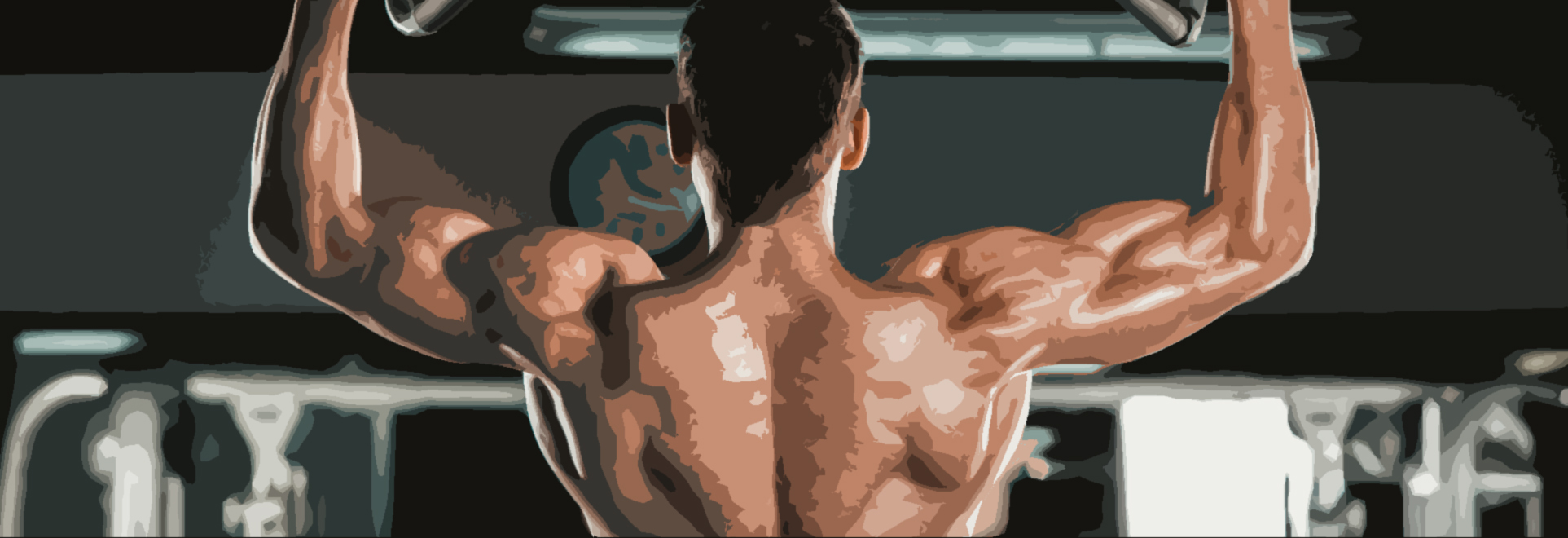
I can’t speak for all gay and queer men, but the ones I know best struggle. Today, with boutique fitness and luxury chains, gay gym life is a lucrative industry. Brands like John Reed and Equinox all but advertise themselves as queer havens — if you can afford them. In the early aughts, David Barton proved that selling fitness and sex together was a lucrative formula, especially in American cities where young horny people had cash to burn.

 m4mHealthInfo.org