
Rates of HIV infection still going up in U.S. among young gay males

From philly.com

A new report offers good and bad news about the AIDS epidemic in the United States: The annual diagnosis rate of HIV, the virus that causes the disease, has dropped by one-third in the general population but has climbed among young gay and bisexual males.

Significantly fewer heterosexuals, drug users and women were diagnosed each year with HIV, according to the report from the U.S. Centers for Disease Control and Prevention. However, the annual diagnosis rate more than doubled for young gay and bisexual males.

The push for safer sex may be falling on deaf ears in a generation too young to have seen the ravages of AIDS, said report co-author Amy Lansky, deputy director for surveillance, epidemiology and laboratory sciences at the CDC’s Division of HIV/AIDS Prevention.

“It’s been more than 30 years since the first cases were reported,” she said. “It’s harder to maintain that sense of urgency.”

The report only looked at people diagnosed with HIV, and health officials think many more are infected with the virus but don’t know it. The statistics also don’t say anything about when these people were infected, making it hard to pinpoint trends in efforts to prevent transmission of the virus.

Still, “we’re making significant progress and seeing declines overall,” said Lansky. However, she added, the rising numbers of diagnoses among young men who have sex with other men are “a considerable problem.”

The AIDS epidemic began more than 30 years ago. While the last two decades have brought great advances in drugs that prevent AIDS from developing in HIV-positive people, an estimated 1.1 million people are still living with HIV in the United States, Lansky said. Officials believe about 16 percent of those people — or about 176,000 — don’t know they’re infected, she said.

In the new report, published in the July 23/30 issue of the Journal of the American Medical Association, researchers examined HIV diagnoses in the United States from 2002 to 2011 in people aged 13 and older.

Although almost 500,000 people were diagnosed with HIV during that time, the annual rate of diagnoses fell from 24 out of every 100,000 people to 16 — a decline of 33 percent.
Continue reading.

HIV drug may boost suicide risk

From philly.com

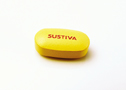
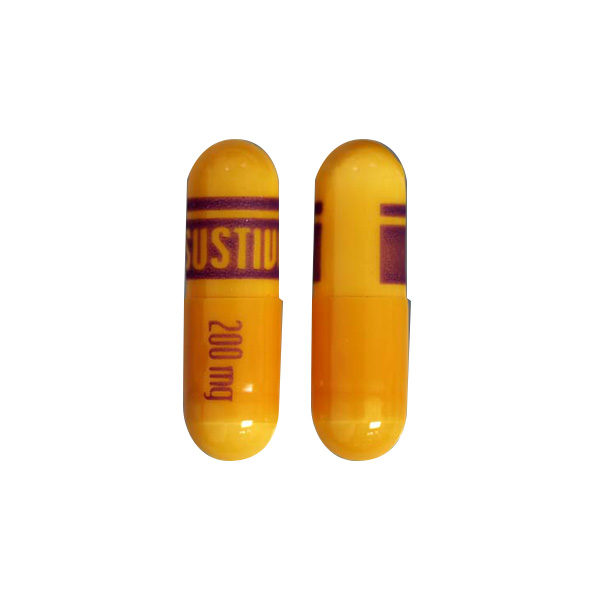
sustiva 3A medication commonly used to treat HIV appears to double the risk that patients will develop suicidal thoughts or take their lives, new research contends. The finding concerns the anti-HIV drug efavirenz, which is marketed as Sustiva. Prior investigations indicated that efavirenz might boost suicide risk because of a negative impact on the central nervous system. The new investigation is the first to pinpoint a link to suicidal thoughts, attempts and completion, the researchers said.

“Efavirenz is a very important and effective antiretroviral medication that is the foundation for much of HIV therapy worldwide,” said study co-author Dr. Joseph Eron, of the University of North Carolina Center for AIDS Research at Chapel Hill. “Our study demonstrated a clear association between efavirenz and suicidality,” he said.

Although that risk seems very small, he said, it appears to be persistent, lasting as long as patients take the drug.sustiva 2 Antiretroviral treatment typically is lifelong, helping people with the AIDS-causing virus live healthier lives. “Clinicians should be aware of this ongoing risk, and talk to their patients to assess suicidality,” Eron added. That means looking for any history of depression or suicidal thoughts or attempts, the study noted.

Continue reading on philly.com.


Study shows promise for those struggling with mental health and HIV treatment adherence

From thebody.com

A clinical review published in the peer-reviewed journal LGBT Health in early June by Jaclyn M. White, M.P.H., Janna R. Gordon, and Matthew J. Mimiaga, Sc.D., M.P.H., from Harvard and the Fenway Institute in Massachusetts, indicates that there may be relief at hand for HIV-positive gay men struggling with added mental health and substance abuse issues that can add difficulty to sticking to an HIV medication regimen. White et al concluded that interventions that combine both adherence counseling with standard cognitive behavioral therapy have made some headway with participants in several recent intervention trials.

Mental health issues, as well as substance use, can lend comorbidity to HIV — that is, an additional condition that compounds the effect of a primary disease. These factors can make adherence to medication more difficult than normal, though this connection is not yet well established.

White et al pointed out that concentration problems and feelings of worthlessness and hopelessness behave as barriers to self-care behavior patterns that are required for optimal outcomes on antiretroviral therapy (ART). Optimal outcomes are measured by self-efficacy efforts; those who believe in their ability to manage their own condition are more likely to approach the 80%-plus adherence level required to thrive while living with HIV, according to White et al.

Continue reading on thebody.com.

Men at high risk for HIV may misjudge their vulnerability

By Andrew M. Seaman
Reuters

NEW YORK (Reuters Health) – Many gay, bisexual and queer men who are good candidates for a drug that prevents HIV don’t believe their risk of being infected with the virus is high enough to warrant the drug’s use, suggests a new study. The poor perception of HIV risk suggests people need to be educated about how to lower the chance of being infected, according to the researchers, who do HIV testing and other research in commercial sex venues in New York City.

“Our testers and counselors were always amazed that a lot of these guys underestimated their risk for HIV – anecdotally,” said Dr. Demetre Daskalakis, the study’s senior author and medical director of ambulatory HIV services at Mount Sinai Hospital in New York City.

Continue reading on the Chicago Tribune Website.


Bisexual men facing unique sexual health challenges

From Gaystarnews.com

Bisexual men are disproportionately affected by HIV and sexually transmitted diseases, according to a new study. The Centers for Disease Control and Prevention (CDC) has published the research in the American Journal of Preventative Medicine. According to study author William Jeffries, bisexual men are facing unique sexual health challenges. Factors that may affect the sexual health include sex without condoms, forced sexual encounters, an increased number of sexual partners and attitudes toward pregnancy.

While the study notes HIV is less common in bisexual men than gay men, bisexuals are less likely to get tested for HIV which can increase the possibility of transmitting the virus to partners. In the US last year, 21% of bisexual men reported STD treatment compared to 12% for gay men and 2.3% of straight men. In the social climate, Jeffries says men who have sex with men and women (MSMW) face ‘several sociocultural obstacles’ including biphobia. Biphobia can manifest in erroneous beliefs that MSMW are gay men who have not disclosed their sexual orientation and, particularly for black men, responsible for HIV transmission to women,’ he said. ‘Experiencing these sentiments can contribute to MSMW’s social isolation and psychological distress, which in turn may promote HIV/STI risk through substance use, sexual risk behaviors, and the avoidance of prevention services.’

Jeffries said even though the percentage of bisexual men is small in his estimate, around 2% of the population, he says more research and outreach is needed to understand their sexual health. ‘Recognition of MSMW’s unique sexual and social experiences can lay the foundation necessary for ensuring that these men have healthy and fulfilling sexual experiences,’ he said. ‘Purposefully designed and tailored efforts for MSMW are indispensable for improving the sexual health of this vulnerable population.’


Condoms being used by MSM and youth

LOS ANGELES–(Business Wire)–A survey by AIDS Healthcare Foundation (AHF) studying the effectiveness of its social marketing efforts found that men-who-have-sex-with-men (MSM) reported using condoms nearly 64% of the time, while the Centers for Disease Control (CDC) sponsored 2013 Youth Risk Behavior Survey (YRBS) showed that despite a decrease in usage from ten years ago, 59% of young people still report using condoms. Despite a recent push by the CDC to encourage high-risk individuals to take a daily AIDS treatment tablet as a form of possible HIV prevention in a procedure known as pre-exposure prophylaxis (PrEP), condoms remain the most effective barrier protection to prevent transmission of HIV and a number of other sexually transmitted diseases.

The AHF survey, conducted by L.A.-based Sentient Research, surveyed over 600 Los Angeles area gay men and MSM in February and March of this year. Participants were asked questions about AHF’s extensive social marketing and advertising—including their ‘Awareness & Associated Behaviors’ or their recall of, and reactions to artwork for AHF billboards and bus bench ads as well as print and online advertisements. Study participants also were queried on their sexual practices including condom use during the previous six months.


“We are heartened to see that despite rumors and hearsay to the contrary, a majority of gay men report using condoms, which remain by far the most effective method of preventing HIV and STD transmission when used—and when used properly,” said Michael Weinstein, president of AIDS Healthcare Foundation.


Read more: http://www.digitaljournal.com

Truvada as pre-exposure prophylaxis (PrEP) against HIV takes about a week to be effective in preventing infection

From aidsmeds.com

Truvada (emtricitabine/tenofovir) as pre-exposure prophylaxis (PrEP) against HIV takes an estimated seven days to reach full efficacy and may protect for nearly a week afterward, the National AIDS Treatment Advocacy Project (NATAP) reports. But those taking PrEP should not assume these are hard facts at this time. Presenting their findings at the 15th International Workshop on Clinical Pharmacology of HIV and Hepatitis Therapy in Washington, DC, researchers conducted an analysis of 11 men and 10 women who took daily Truvada as PrEP for 30 days and then, after stopping the drug, remained in an additional 30 days of follow-up.

Continue reading on aidsmeds.com.

Low vitamin D linked to poor HIV treatment outcomes

From aidsmeds.com

There is an apparent association between low vitamin D levels and an elevated risk of HIV disease progression among people beginning treatment for the virus, aidsmap reports. Publishing their findings in The Journal of Infectious Diseases, investigators studied members of the PEARL trial in eight low- and middle-income countries, as well as in the United States.

The HIV-positive study participants had progressed to the World Health Organization’s stage 3/4 of HIV disease within 96 weeks of starting on antiretrovirals (ARVs), or they had experienced virologic failure (two consecutive viral loads over 1,000 16 weeks after starting ARVs), or they had experienced immunologic failure (CD4s dropping below 100 after 48 weeks of ARVs). The researchers compared these participants to randomly selected HIV-positive people to determine if their vitamin D levels when they started taking HIV therapy were linked to a raised risk of worse clinical outcomes.

Forty-nine percent of the participants had low vitamin D upon starting HIV treatment. Low vitamin D at this point was linked to a 2.13-fold increased risk of clinical disease progression and a 2.13-fold increased risk of virologic failure. Some evidence suggested that low vitamin D may also be linked to a worse CD4 response to ARVs, although there was not enough evidence to prove the association.

The researchers believe this research supports the need for future study into whether supplementing for vitamin D affects outcomes of HIV treatment. They say that there is a biologic plausibility that low vitamin D would increase the risk of worse clinical outcomes during HIV treatment.

To read the study abstract, click here.

Study supports benefits of beginning HIV therapy early

From aidsmeds.com

Starting antiretroviral (ARV) treatment for HIV before CD4 cells drop too low reduces the risk of AIDS and HIV-related illnesses, according to the same large study that proved early ARV treatment reduces the risk of HIV transmission by 96 percent, aidsmap reports. Called HPTN 052, the study was a large multi-site trial conducted in 13 sites in nine countries. Results were published in Lancet Infectious Diseases.

The trial randomized 1,762 HIV-positive participants who had CD4s between 350 and 550 to either begin ARVs immediately or to wait until their CD4 levels had either dropped to 250 or until they developed a symptomatic disease related to HIV. The median CD4 count at the study’s outset was 436. The participants were followed for a median of 2.1 years.

A total of 57 participants (6 percent) who started treatment early and 77 (9 percent) who delayed treatment experienced one or more of the following (considered a “primary outcome”): death, an AIDS diagnosis, tuberculosis (TB), a severe bacterial infection, cardiovascular disease, serious liver or kidney disease, non-AIDS cancers or diabetes. The cumulative two-year probability of such an outcome was 4.8 percent for the early treatment group, compared with 7.9 percent for the delayed treatment cohort. Although there was a 27 percent reduced risk of a primary outcome among those who started early, this difference was not statistically significant, meaning it could have occurred by chance.

Five percent of those in the early treatment group were diagnosed with an AIDS-defining event, compared with 7 percent among those who delayed treatment. The cumulative two-year probability of an AIDS diagnosis was 3.3 percent in the group that started ARVs early and 6 percent in those who delayed. Starting treatment early lowered the risk of an AIDS-defining illness by 36 percent, a difference that was statistically significant.


Pitt breakthrough may improve HIV treatment

From the Triblive.com

A discovery about how HIV spreads through the human body could help doctors tame the virus in some infected patients, researchers say. Findings at the University of Pittsburgh Graduate School of Public Health show the disease moves slowly in people whose immune cells are low in cholesterol. That suggests HIV patients might live longer if researchers can regulate cholesterol metabolism in those cells, said lead author Giovanna Rappocciolo.

“We think it’s important because it’s a very new approach to the study of the HIV infection. I think it could be significant,” said Rappocciolo, an assistant professor in the Department of Infectious Diseases and Microbiology at Pitt. Her work with department Chairman Charles Rinaldo appears Tuesday in mBio, the journal of the American Society for Microbiology. Funded through the National Institutes of Health, their discovery caps several years of research focused on eight men in the Pittsburgh area.

The men are among 5 percent to 10 percent of the more than 1.1 million people in the United States living with HIV who can stay healthy for seven years — or longer — without conventional therapies, Rappocciolo said. Those patients had low cholesterol levels inside certain cells that spread HIV in the body, Rappocciolo and several Pitt colleagues found. Researchers relied on data assembled over 30 years through the Pitt Men’s Study, part of the NIH-supported Multicenter AIDS Cohort Study spanning four cities.

“Results like ours are the real payoff of the past three decades of meticulous data and specimen collection,” Rinaldo said in a statement. Rappocciolo said their department has received more than $70 million for research related to AIDS, the final stage of the HIV disease that severely inhibits the immune system. Rappocciolo stressed her findings do not mean that HIV patients with low-cholesterol diets are safeguarded.

Read more at triblive.com 

HIV infection increases risk of melanoma

From aidsmap.com

HIV infection is associated with an increased risk of melanoma, according to the results of a meta-analysis published in PLOS ONE. Overall, people living with HIV had a 26% increase in their relative risk of melanoma compared to the general population, the risk increasing by 50% for white-skinned people with HIV. The increased risk was statistically significant in white-skinned people diagnosed with HIV and of borderline statistical significance for all people diagnosed with HIV.

The authors recommend that fair-skinned people living with HIV should be regularly screened for suspicious skin lesions and should also be warned about the dangers of prolonged exposure to the sun.

Melanoma (skin cancer) diagnoses have increased markedly in the UK and many other countries in recent years. There is also evidence suggesting that people living with HIV have a higher risk of developing this skin cancer compared to individuals in the general population. Studies conducted before effective antiretroviral therapy became available in the mid-1990s showed that having HIV increased the relative risk of melanoma by approximately a quarter.

However, it is uncertain whether people living with HIV continue to have an increased risk of melanoma in the era of effective antiretroviral treatment. A team of Australian and UK investigators therefore conducted a systematic review and meta-analysis, looking at the association between HIV and the relative risk of melanoma in the periods before and after potent HIV therapy became available. The investigators’ analysis included cohort studies involving adult patients.

A total of 21 studies met their inclusion criteria. These were conducted between 1999 and 2013. Most (twelve) were conducted in the United States, eight in Europe and one in Australia. Most of the studies reported on cohorts of patients with HIV and those diagnosed with AIDS, but six studies defined their study population as patients with AIDS. The majority of studies (16) were population based, most of the patients being men (76-92%). One study included only men who have sex with men; one study included women only; a single study was restricted to veterans and two studies reported on single-clinic patient cohorts.

Continue reading on aidsmap.com.

Hook-up risks higher with non-gay-identified men

From the Washington Bladecraigslist image

A newly published study found evidence that men having sex with men use the Internet to find sexual partners who do not identify as gay, either to fulfill a fantasy or because it allows anonymous sexual encounters without discovery. The findings, conducted by Eric Schrimshaw, Ph.D. at Columbia University’s Mailman School of Public Health and Martin Downing Jr., Ph. D. of the National Development and Research Institutes, were published in the online journal “Psychology of Sexual Orientation and Gender Diversity” published by the American Psychological Association.

To examine the subgroup of men seeking non-gay-identified (NGI) men in the online sexual marketplace, the researchers reviewed 1,200 Internet personal ads posted on Craigslist and selected 282 for analysis. They performed comparisons of two categories of personal ads: those seeking encounters with NGI men, including straight, bisexual, married, curious and men on the “down low”; and a contrasting set of ads that did not specifically seek NGI men.

Among the ads studied, 11 percent were placed by men seeking NGI partners. Although men who posted NGI-seeking ads were more likely to self-identify as bisexual, married, and/or discreet and to seek out an anonymous encounter relative to the ads of comparison men, only 24 percent of online advertisements seeking NGI men were posted by men who were themselves non-gay-identified. This suggests that many of the posts are placed by gay men seeking NGI men, perceived by some gay men to be more masculine, dominant or “straight-acting.” Only a small number of ads by NGI-seeking men mentioned safe sex or condom use.

Black voices: leveraging digital tools to reach and engage Black gay men

From AIDS.gov

More Americans than ever before have access to Internet-enabled technologies and are participating in online social networking platforms. This trend is particularly notable among women, African-Americans, and Latinos and provides hope that effective use of new social technologies could reshape how we reach, engage, and mobilize vulnerable populations such as Black gay men (BGM) and other men who have sex with men (MSM) who are disproportionately impacted by the domestic HIV epidemic. For example, recent data from the The Pew Research Center’s Internet & American Life Project indicate that while the digital divide persists as it relates to Internet access, African-Americans use mobile devices at the same rate as their peers and lead the way in participation in social media such as Twitter.

There is little data available about how BGM/MSM are using social technologies. So, last year, as part of ongoing efforts to improve the health and wellbeing of BGM/MSM, The National Black Gay Men’s Advocacy Coalition (NBGMAC) launched a national survey to learn about the online communication habits of Black gay men. The survey’s goals are to better understand how BGM/MSM use the Internet to communicate and receive national health policy and advocacy information. The data gathered from this survey will contribute to our understanding of how to effectively leverage the Internet for outreach and engagement around health information and national policy issues of importance to BGM/MSM across the nation.

Preliminary survey data highlight the importance of social networking platforms like Facebook in connecting with communities of Black gay men and sharing health policy and advocacy information. The data also reflect a notable level of interest in biomedical HIV prevention tools like Pre-Exposure Prophylaxis (PrEP). Findings like these point to the growing importance of making information available about HIV prevention in a way that meets the needs of the populations most impacted the epidemic. If you are a Black gay, bisexual or same-gender loving man, please take a moment to complete the brief survey and share with your networks. If not, please also consider sharing with any colleagues, friends or loved ones who may be willing to participate and help us to shed light on the communication, health information, and policy and advocacy needs of this underserved community.

To complete the survey, click here or copy and paste the survey’s URL into your Internet browser: http://svy.mk/15KFMwc .

Risk of HIV transmission can vary over time

From aidsmap.com…

A study that looked at the way risk of HIV transmission changed over time in a group of gay men during a six- to eight-year period has found that there was vast variation in the degree of risk men subjected themselves to, the length of time they were at risk and, as a result, HIV incidence.

The researchers analysed the number of times cohort members took sexual risks over the study period (by allocating a “risk score” to each six-month period) and found that men’s risk scores tended to be consistent, and to fall into three different groups.  It found that one-in-seven men belonged to a very high risk group, a third of whom became infected with HIV over the study period. Just under a quarter belonged to a moderate risk group, of whom 10% became HIV positive.

The other two-thirds were at low risk of HIV, except for short periods; 3% of them acquired HIV. Being in the one-third of the cohort that did take more risks was associated with being white, having a high income, and being younger; in addition, being in the most at-risk one-seventh of the group was associated with depression and taking recreational drugs.

The authors specifically did this cohort analysis because they wanted better information that could help in the targeting of pre-exposure prophylaxis (PrEP) at the right groups: one of the reasons this prevention method has taken off slowly in the US and not yet received approval elsewhere is concern about its cost. Cost-effectiveness studies suggest that PrEP will only be economical if taken by people with the highest risk of HIV infection (see this report for one example).

It is, however, of broader interest, as the first-ever study to demonstrate a relationship between specific characteristics and what the authors call “risk trajectories” – longitudinal patterns of risk over time.

To read the full aidsmap story, click here.

To read the study abstract, click here.

Groundbreaking study aims to develop a cure for HIV


From The Philadelphia Gay News

With the support of a multimillion-dollar federal grant, several local organizations are taking part in a groundbreaking study that aims to develop a cure for HIV. The Wistar Institute, in partnership with Philadelphia FIGHT, the University of Pennsylvania, University of California and Merck, is undertaking a trial study based on a therapeutic strategy that has already shown promise at reducing HIV-1 virus levels.

Dr. Luis J. Montaner, a professor at The Wistar Institute and director of Wistar’s HIV-1 Immunopathogenesis Lab, and collaborators received a four-year, $6.2-million grant from the National Institute of Allergy and Infectious Disease of the National Institutes of Health to support the study. Montaner said his team has been pursuing the grant for several years. “There is a lot of preamble before the award is given,” he said. “We have been chasing the opportunity to do this study since 2011.”

The study is based on a prior pilot trial in which a protein called interferon-alpha was shown to reduce persistent HIV-1 in patients being treated with antiretroviral therapy. The grant will pay for the management of the clinical and administrative expenses of the study and for laboratory follow-up, which will allow researchers to calculate the study’s outcome. Montaner said the team will perform an initial evaluation of the study in mid-2016, and it will be finalized in 2018.

Read more: PGN-The Philadelphia Gay News

Researchers investigate use of PrEP and risk-taking among men who have sex with men

From U.S. Centers for Disease Control and Prevention (posted on TheBody.com)

Truvada (tenofovir) is used for pre-exposure prophylaxis (PrEP) to reduce risk of HIV infection among risk-taking HIV-negative gay men. Researchers investigated whether use of Truvada as PrEP encouraged risk-taking among men who have sex with men (MSM). The researchers studied 400 gay men for 24 months between 2005 and 2007 in a randomized double-blind placebo study. One group of participants began taking Truvada at the outset of the study and the other began nine months later. Researchers interviewed the men at entry into the study and every three months concerning sexual risk-taking and use of recreational drugs and erectile dysfunction medications.

Participants had an average of 7.25 partners in the three months prior to the study. This number decreased to 6 partners between months 3 and 9 and to 5.71 in the second year. Before baseline, 57 percent of participants reported unprotected anal sex. The number dropped to 48 percent between months 3 and 9, and rose to 52 percent in the second year. Also, at baseline, 29 percent of participants reported unprotected intercourse with a man they knew to be HIV-positive. This number dropped to 21 percent between months 3 and 9 and increased slightly to 22 percent in the second year. Unprotected sex with partners they knew to be HIV-positive decreased from 2 at the beginning of the study to 1.37 during the second year, and unprotected anal intercourse with partners believed to be HIV-negative increased from 2.75 at baseline to 4 during year two.

Findings indicate that the use of Truvada as PrEP did not increase sexual risk-taking among HIV-negative MSM. However, findings are tempered by the fact that the study provided the participants with risk-reduction counseling, condoms and lubricant, routine HIV tests, STD testing, and links to prevention services. The researchers acknowledge that these measures may have affected the observed risk reduction and risk declines.

The full report, “Sexual Risk Behavior Among HIV-Uninfected Men Who Have Sex with Men (MSM) Participating in a Tenofovir Pre-Exposure Prophylaxis (PrEP) Randomized Trial in the United States,” is published online in the Journal of Acquired Immune Deficiency Syndromes.

Latest HIV vaccine doesn’t work; NIH halts study

From Seattlepi.com

The latest bad news in the hunt for an AIDS vaccine: The government halted a large U.S. study on Thursday [April 18, 2013] , saying the experimental shots aren’t preventing HIV infection. Nor did the shots reduce the amount of the AIDS virus in the blood when people who’d been vaccinated later became infected, the National Institutes of Health said.

“It’s disappointing,” said Dr. Anthony Fauci, head of NIH’s National Institute of Allergy and Infectious Diseases. But, “there was important information gained from this” study that will help determine what to try next.

Read more: http://www.seattlepi.com/news/

HIV is still the #1 health concern for gay men

From queerty.com…

A lot of gay men might talk like they’re not worried about HIV, but it still ranks as our number one health concern, according to a new study out of Hunter College.

“The fear is that gay men are tired of hearing about how to prevent HIV, and because of new treatment options, HIV isn’t seen as a big deal anymore,” says Dr. Christian Grov, a researcher at Hunter’s Center for HIV Educational Studies and Training (CHEST).

With a goal to see if men who sleep with men were experiencing such HIV-prevention fatigue, CHEST interviewed more than 650 gay and bisexual men at clubs, gay bars and bathhouses about their health concerns. Interviewees were asked to rank HIV transmission as compared to  smoking, body-image issues, mental health and drug/alcohol use.

HIV/STDs was ranked as the top concern, with mental health and substance abuse tying for second place. “These findings are promising for HIV prevention providers because they suggest many gay and bisexual men still recognize HIV as a top issue for the gay community,” says Grov.

Full story here: www.queerty.com/

Read more at www.queerty.com/study-gay-men-rank-their-top-five-health-concerns

Family Acceptance Project

The Family Acceptance Project, a San Francisco program aimed at reducing familial rejection of transgender, bisexual, lesbian, and gay youth, was named a “Promising Practice” at an October conference sponsored by the Center for Reducing Health Disparities at the University of California, Davis, School of Medicine, and the Latino Mental Health Concilio.

Researchers found, essentially, that supportive and accepting family members can help reduce health disparities, including HIV risk, among LGBT Latino youth and young adults. For more information on the Family Acceptance Project’s work, visit FamilyProject.SFSU.edu.

Syphilis and HIV: A dangerous duo affecting gay and bi men

From the AIDS.gov blog:

Trend data released today in CDC’s 2011 STD Surveillance Report show that primary and secondary syphilis rates are increasing among gay and bisexual men, who now account for more than 70% of all infections.

Annual syphilis surveillance data published in the just released 2011 STD Surveillance Reportcontinue to emphasize the disproportionate burden of disease among gay and bisexual men. While the health problems caused by syphilis in adults are serious in their own right, it has been shown that the genital sores caused by syphilis make it easier to transmit and acquire HIV infection sexually. There is an estimated 2- to 5-fold increased risk of acquiring HIV if exposed to that infection when syphilis is present, and studies have also shown that syphilis will increase the viral load of someone who is already HIV infected. This is especially concerning, as data from several major cities throughout the country indicate that an average of four in 10 MSM with syphilis are also infected with HIV. The stakes are too high to ignore these health disparities. It is critically important that syphilis infections among MSM be promptly diagnosed and treated in order to decrease the rates of subsequent HIV infection.

Read more on AIDS.gov.