University of Pennsylvania rolling out health initiative for LGBT individuals

From the University Herald online

The University of Pennsylvania is rolling out a health initiative for lesbian, gay, bisexual and transgender individuals in an effort to bring them into the medical mainstream, The Philadelphia Inquirer reported. The Penn Program for LGBT Health will span the medical, dental and nursing schools as well as the region’s largest health system. Hospitals and universities have begun tackling LGBT health since issues like gay marriage have been gaining in public acceptance. “We really want to do more. We want to do research. We want to change the climate and culture,” Baligh Yehia, 31, an infectious-diseases doctor who spearheaded Penn’s program, told The Philadelphia Inquirer. “To really prepare the next generation of clinicians to be sensitive to the needs of people.”

The goal of the program is to improve the care of LGBT populations by becoming a local and national leader in LGBT patient care, education, research, and advocacy. The program will include a three-hour curriculum involving transgender health that is now mandatory for first-year students. The course will teach students about the human body with Trans examples, The Philadelphia Inquirer reported. For example instructors will use the body’s physiological changes during hormone therapy to help students understand the endocrine system. Medical students at the university will also receive less than five hours of training on LGBT issues courses on lesbian, gay and bisexual health. The idea for this program came out of a daylong planning retreat that the program’s organizers held in the fall.

Continue reading here.

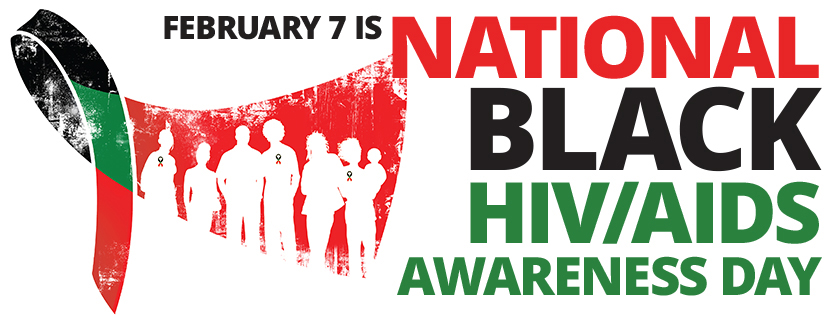
February 7 is National Black HIV AIDS Awareness Day

Nat Black HIV wareness dayFriday, February 7 is National Black HIV AIDS Awareness Day (NBHAAD). There are many ways you can help increase HIV awareness and work to reduce the impact of HIV in the black community in support of NBHAAD. Check out this list of Ten Things You Can Do for NBHAAD. Also, please join the Twitter Town Hall sponsored by the Centers for Disease Control and Prevention (CDC) and AIDSVu, with the NBHAAD Strategic Leadership Committee (Twitter: @NatBlackAIDSDay) and the National Association for the Advancement of Colored People (NAACP) (Twitter: @NAACP). The theme is “How do we end the HIV epidemic in Black America?”and will take place on Friday, February 7 at 12 pm Eastern Time.

The hashtag #NBHAADchat will be used for the Twitter Town Hall. Everyone is encouraged to participate. For more information on NBHAAD or to find and NBHAAD event, go to http://nationalblackaidsday.org/.

Groundbreaking study aims to develop a cure for HIV


From The Philadelphia Gay News

With the support of a multimillion-dollar federal grant, several local organizations are taking part in a groundbreaking study that aims to develop a cure for HIV. The Wistar Institute, in partnership with Philadelphia FIGHT, the University of Pennsylvania, University of California and Merck, is undertaking a trial study based on a therapeutic strategy that has already shown promise at reducing HIV-1 virus levels.

Dr. Luis J. Montaner, a professor at The Wistar Institute and director of Wistar’s HIV-1 Immunopathogenesis Lab, and collaborators received a four-year, $6.2-million grant from the National Institute of Allergy and Infectious Disease of the National Institutes of Health to support the study. Montaner said his team has been pursuing the grant for several years. “There is a lot of preamble before the award is given,” he said. “We have been chasing the opportunity to do this study since 2011.”

The study is based on a prior pilot trial in which a protein called interferon-alpha was shown to reduce persistent HIV-1 in patients being treated with antiretroviral therapy. The grant will pay for the management of the clinical and administrative expenses of the study and for laboratory follow-up, which will allow researchers to calculate the study’s outcome. Montaner said the team will perform an initial evaluation of the study in mid-2016, and it will be finalized in 2018.

Read more: PGN-The Philadelphia Gay News

Legacy aims to end high rates of smoking by the LGBT community

From the Edge on the Net

Pennsylvania-Woman-Tells-Teens-to-Get-a-Job-Is-Shot-over-a-Cigarette-2Did you know that gays smoke cigarettes at rates nearly 70 percent higher than the general population, and tobacco companies target the LGBT community specifically? There are 440,000 preventable deaths from tobacco-related causes each year. Maybe it’s time to make that resolution happen, and let Legacy help you kick that butt for good.

“Legacy has been working to support the LGBT community since its inception, doing everything from funding grant projects to listening sessions, convening folks to talk about issues facing the community,” said Legacy’s Senior Vice President of Collaboration and Outreach William Furmanski. “Last year we had a report published with our findings and hosted a webinar to have a national dialogue.” Legacy is a Washington, D.C.-based foundation responsible for truth®, the national youth smoking prevention campaign that has been cited as contributing to significant declines in youth smoking. Their education campaigns include EX®, an innovative public health program designed to speak to smokers in their own language and change the way they approach quitting. Legacy helps people live longer, healthier lives by building a world where young people reject tobacco, and anyone can quit.

Furmanski cited statistics that reveal the LGBT community has some of the highest rates of smoking among any population group — in fact, dramatically higher than the public at large. This means that the disease and death caused by tobacco use impacts our community at a much higher rate. “Anything we can do to help individuals understand the risks in smoking and how they can improve their health by quitting, and strategies used by the tobacco industry to attract them to a product are important,” said Furmanski. “We realized that even just relaying these harms would help the LGBT community, because tobacco use takes a back seat to other health issues in our community like HIV/AIDS. Many people think smoking can be okay to deal with the stress in life.”

Read the full article on edgeonthenet.com 

Gonorrhea and syphilis are on the rise among gay and bi men

From Bloodberg.com

Gonorrhea and syphilis are on the rise in the U.S., mostly in men who have sex with men, a trend the government said is linked to inadequate testing among people stymied by homophobia and limited access to health care.

The rate of new gonorrhea cases rose 4 percent in 2012 from the year before, while syphilis jumped 11 percent, the U.S. Centers for Disease Control and Prevention said today in a report. Rates for chlamydia, the most common of the bacterial sexually transmitted diseases, gained less than 1 percent. While all three diseases are curable with antibiotics, many people don’t get tested as recommended, said Gail Bolan, the director of the CDC’s STD prevention division. That’s especially the case for syphilis, where the rise is entirely attributable to men, particularly those who are gay or bisexual.

“We know that having access to high-quality health care is important to controlling and reducing STDs,” Bolan said in a telephone interview. “Some of our more-vulnerable populations don’t have access. There are a number of men who come in to our clinic for confidential services because they’re too embarrassed to see their primary care doctors.”

The CDC rate for gonorrhea was 107.5 cases out of 100,000 in 2012, while syphilis was 5 cases per 100,000 people. The infections cost the U.S. health-care system about $16 billion every year, according to the report.

Read the full article on Bloomberg News.  

HIV testing and linkage to care available for young gay, bi and transgender African Americans via Project Silk

projectsilkProject Silk is a service project for young adult gay, bisexual or transgender African Americans. It’s a partnership between the Pennsylvania Department of Health and the University of Pittsburgh and is run by Anthony Silvestre, PhD, and Mackey R. Friedman, PhD, MPH, of the department of infectious diseases and micobiology in Pitt’s Graduate School of Public Health. Project Silk provides a safe, youth-centered space in downtown Pittsburgh and is open four nights a week. An on-site social worker is available and helps connect young people to important services such as housing, employment and health care. HIV testing and linkage to care are available during drop-in hours, and a private office can be requested. The project includes a mix of structured programming, such as civic discussion groups. There’s also unstructured time for young people to practice dance moves and prepare for house balls, which are competitive dance events.

Read more on newpittsburghcourieronline.com


Reducing health disparities for LGBT Americans through the Affordable Care Act

Seeking to reduce health disparities for lesbian, gay, bisexual, and transgender (LGBT) Americans through the Affordable Care Act (ACA), the National LGBT Health Education Center at The Fenway Institute, and the Center for American Progress, have released “Optimizing LGBT Health under the Affordable Care Act: Strategies for Health Centers,” a guide detailing how the ACA will improve LGBT health and best practices for health centers to increase enrollment of LGBT people in coverage under the ACA. Download a free copy of the PDF here.

“The long history of discrimination in health care and societal bias against lesbian, gay, bisexual, and transgender people has created alarming health disparities for this community,” said Harvey Makadon, MD, Director of the National LGBT Health Education Center. “LGBT people have disproportionately high rates of tobacco use, HIV infection, encounters with violence and homelessness, elevated rates of depression and suicide attempts, and reduced access to preventive health services. The ACA reforms described in our guide represent a critical step toward addressing these disparities and improving the health of LGBT Americans.”

Keep reading on  10thousandcouples.com.

HPV common among young gay men

(Reuters Health) – Gay teenagers who have had at least four sexual partners are at increased risk of contracting human papillomavirus (HPV), a new study suggests. At least half of sexually active people get HPV at some point in their lives, according to the Centers for Disease Control and Prevention. Previous research has suggested most adult gay men have the sexually transmitted infection. HPV is usually cleared by the immune system but can cause genital warts and anal cancer, as well as cervical cancer among women. “In this study we found rates of anal infection increased rapidly with increasing numbers of partners with whom they have received anal sex,” senior author Marcus Y. Chen said. “The virus is presumably being transmitted from penis to anus.” Chen is an associate professor in the School of Population and Global Health at the University of Melbourne in Australia.

The CDC recommends boys and girls get vaccinated against HPV at age 11 or 12, before becoming sexually active. There are two versions of the HPV vaccine, one of which is available for boys. The vaccine is very effective if given before a person is exposed to HPV but provides “diminishing protection” after that, Dr. Ross D. Cranston told Reuters Health. “Thus if there is a high rate of HPV acquisition, as we also see in girls, there is a lost opportunity to provide protection if the HPV vaccine is not given early,” he said. Cranston, who was not involved in the new study, directs the Anal Dysplasia Clinic and Research Program at the University of Pittsburgh Medical Center in Pennsylvania.

Chen and his team tested 200 young gay men age 16 to 20 for HPV and genital warts and gave them a sexual history questionnaire. risk forms of the virus, and 11 percent tested positive for two or more forms. Men who’d ever had vaginal sex or anal sex were more likely to test positive for penile HPV, according to results published in the Journal of Infectious Diseases. Among men who had never received anal sex, 10 percent tested positive for anal HPV. That compared to nearly half of those who said they’d had at least four anal sex partners. The finding that some young men who reported never receiving anal sex tested positive for anal HPV suggests the virus can be transmitted in other ways, the authors write.

About 7,000 people in the U.S. will be diagnosed with anal cancer in 2013, according to the American Cancer Society. Rates are higher among gay men than heterosexual people, Chen noted. Of the many types of the HPV virus, HPV 16 is most commonly associated with anal cancers. “Our study found that gay male teens acquire the HPV virus including HPV 16 very soon after they first become sexually active,” Chen told Reuters Health. “This means that the HPV vaccine, which has been shown to be effective in preventing HPV infection in males, including anal infection in gay men, needs to be given very early on, preferably before gay teens start to have sex.”

Many countries routinely vaccinate all girls against HPV. But as of 2013, Australia is the only one to implement universal and free vaccination of boys at school, Chen said. “This is great news for boys in Australia including those that are gay but in other countries the absence of such a program means gay males will miss out on anal cancer prevention,” he said. Some gay teens might be reluctant to admit their sexuality and ask for the vaccine, he said. Gay men are no more susceptible to HPV than heterosexual men, but more often have anal infections, Cranston said. He said doctors can increase awareness and the likelihood that boys will be vaccinated against HPV through conversations with their parents.

Source: http://www.chicagotribune.com/health/sns-rt-us-hpv-common-20131205,0,3548102.story#ixzz2mzRm0gTb

Health and Human Services celebrates the imporved wellbeing of people living with HIV

The Department of Health and Human Services (HHS) honors World AIDS Day 2013 and celebrates the improved wellbeing of millions of people around the world living healthy and full HIV-positive lives. As the care and treatment of people living with HIV/AIDS has expanded so has the number of people living long HIV-positive lives. As of 2012, nearly 10 million people throughout the world were receiving antiretroviral therapy Exit Disclaimer, vastly improving their quality of life and reducing the number of early deaths due to the disease. And recent changes to the World Health Organization’s treatment guidelines are expected to substantially increase the number of people qualifying for treatment.

Widespread access to HIV medications and treatments, principally through PEPFAR and the Global Fund, has changed the course of HIV infection from an acute and deadly infection to a chronic disease requiring long-term care management. While this means a diagnosis is no longer a death sentence, it also means health systems now need to be prepared to address the long-term care needs of those living—sometimes for decades—with HIV.

Continue reading at AIDS.gov.

Unprotected sex among gay men on the rise

From the Boston Globe

Federal health officials are reporting a sharp increase in unprotected sex among gay American men over the last decade, a development that makes it harder to fight the AIDS epidemic. The same trend has recently been documented among gay men in Canada, Britain, the Netherlands, France, and Australia, heightening concerns among public health officials worldwide.

According to the Centers for Disease Control and Prevention, the number of men who told federal health investigators that they had had unprotected anal sex in the last year rose nearly 20 percent from 2005 to 2011. In the 2011 survey, unprotected sex was more than twice as common among men who said they did not know whether they were infected with HIV.

.

Health Alert – time to get a flu shot

Getting a flu shot is good advice for pretty much anyone. Even more so if you’re HIV positive.

For patients with HIV, the Centers for Disease Control and Prevention (CDC) recommends getting the flu shot instead of the live attenuated flu vaccine or “FluMist.” The flu shot is an inactivated vaccine (containing a killed virus) that’s given with a needle. FluMist contains a weakened form of the live flu virus and is only approved for use in people ages 2 to 49 with unimpaired immune systems.

Preventing the flu is important for people with HIV/AIDS due to an increased risk from serious influenza-related complications. Studies have shown an increased risk for heart and lung-related hospitalizations in people infected with HIV during influenza season, as well as a higher risk of influenza-related deaths. Other studies have indicated that influenza symptoms might be prolonged for certain HIV-infected people.

And, no, you can’t get the flu from the vaccination. For more information about HIV and influenza, go to the CDC Website.

You can find a place to get the flu shot here. You can also ask your doctor for additional options.

Gay men should be tested for Hepatitis C

 (Co-founder, GMHC; author, ‘We Must Love One Another or Die: The Life and Legacies of Larry Kramer’) writes on the Huffington Post…

Hepatitis C is the most common blood-borne infection in the U.S., and one of the most common worldwide. One in 50 Americans is infected. It accounts for more than 50 percent of all cases of end-stage liver disease and 50 percent of cases of liver cancer, and it is the reason for more than 50 percent of liver transplants. Yet it remains severely underdiagnosed. It’s estimated that upwards of 75 percent of those infected remain untested and undiagnosed, as compared with 25 percent of those with HIV. More people now die from hepatitis C than from HIV.

Those of us who struggled through the early period of AIDS understand the meaning of “Silence = Death,” the motto used by the AIDS activist organization ACT UP. So when hepatitis C began to emerge among MSM (men who have sex with men), the silence that ensued seemed eerily familiar. When I first started reporting on hepatitis C in gay men nearly a generation ago, the disease was already being called “the stealth epidemic,” in part because of the typically long, silent progression of the disease in its chronic form, sometimes taking 20 to 30 years from acute infection to cirrhosis of the liver, but also because of the public silence about it. If people had the disease, they mostly didn’t know it, and if they did have it and did know it, they didn’t go public with it. Nor did those with the disease often seek treatment, which had the reputation of being prolonged, difficult and of mixed efficacy. Since the principal risk group for the disease was injection drug users, the public wasn’t exactly clamoring to know more or be more involved.

Continue reading on the Huffington Post.

ACT UP commits to reinvigorate the national prevention agenda

From TheBody.com (written by ACT UP members  James Krellenstein and Jim Eigo)…

ACT UP commits to reinvigorate the national prevention agendaBefore Hillary Clinton stepped down as secretary of state, she presided over the official November 29, 2012, release of a Blueprint for an AIDS-Free Generation. With a trumpeter on the inside front cover, the 64-page document declared that the world was about to enter the third and final phase of the war against HIV infection. After AIDS as a full-scale plague, and AIDS as a manageable disease, we now had within our sites the elimination of symptomatic HIV. Twenty days later, however, another arm of the U.S. government released another document. Some news it contained struck a discordant note with Secretary Clinton’s battle cry. After reading it, many wondered if we hadn’t somehow traveled back to the dark early years of the epidemic.

According to U.S. Centers for Disease Control and Prevention (CDC) incidence estimates released on December 19, men who have sex with men (MSM; a category that includes transgender women), comprising less than two percent of the population, accounted for 66 percent of the 47,600 new HIV infections in 2010. Between 2008 and 2010, new infections rose 12 percent for all MSM and 22 percent for young MSM. Some subpopulations were at substantially higher risk: an African American man who had sex with men was six times likelier to acquire HIV infection than his white counterpart.

Spurred by news of the sharp upward trend of new infections, a core of grassroots activists of differing ages, sexes, orientations, colors, and serostatus began working on prevention issues for ACT UP/NY — they include the authors. Though the CDC numbers told of a prevention emergency, few in New York’s gay communities — from the rank-and-file to the top echelons of Gay, Inc. — seemed to realize what was going on. HIV was something that the community had taken care of back around 1997, wasn’t it? Effective antiretroviral therapy (ART) has made HIV manageable for most who have access to the drugs. For many younger men, AIDS was a disease — and a political cause — of the 1980s. Yet the successful treatment of HIV requires that strong drugs be taken over a lifetime. And those most likely to become infected — young, queer, and of color — are among the least likely to receive care, or even to know they’re infected.

Keep reading on TheBody.com.

“Speak Out: Let’s Bring HIV Out of the Closet”

From the Website Edge in Boston…

The signs are hard to miss. Exit a Muni train at the Castro station, and the wall-sized posters are greeting you as the doors slide open. The message – it is time to start talking about HIV and AIDS. Or, as Vincent Fuqua, program coordinator for the San Francisco Department of Public Health put it, “find our voice again.”

“As long as people are still becoming infected with HIV, as long as people are still HIV-positive,” Fuqua said, “it’s still a part of us.”

The Department of Public Health, along with the national Greater Than AIDS initiative and the Kaiser Family Foundation, recently introduced Speak Out: Let’s Bring HIV Out of the Closet, a social marketing campaign aimed at encouraging men not only to get tested for HIV regularly, but also to speak openly about their status and the disease in general, as a way to remove some of the stigma within the community associated with being HIV-positive.

“We understand that there’s been a lot of strides in the gay community, which is incredible. The thing is, though, HIV is still a big part of our community as well. So we wanted to make sure people don’t forget that,” Fuqua said.

The campaign was introduced October 10 at Blush Wine Bar in the Castro. It will extend to other cities next year.

Continue reading here.

First couples HIV prevention strategy for gay men to roll out in major cities

NEW YORK, NY–(Marketwired – Oct 17, 2013) – Today, Emory University’s Rollins School of Public Health announced that it is transitioning management of a valuable, new HIV training program to the Centers for Disease Control and Prevention (CDC). Brought to life with funding from the MAC AIDS Fund and modeled after a successful HIV testing program in Africa, the training prepares local HIV/AIDS organizations and health departments to deliver the first-ever couples HIV testing and counseling service in the United States for gay, bisexual, and other men who have sex with men. The new service — called “Testing Together” — enables male couples to learn their HIV status together and develop a customized HIV prevention and care strategy at no charge in most locations. After the transition, CDC will roll out the training — which has been successfully piloted in several major U.S. cities — to organizations across the country.

“Most HIV prevention programs focus on individuals or groups of gay men when, in fact, most new HIV infections come from main partners in a relationship. Our ‘Testing Together’ program is the first HIV testing service geared specifically toward meeting the needs of male couples,” said Patrick Sullivan, DVM, PhD and Professor at Emory University’s Rollins School of Public Health. “We’re happy that our collaboration with CDC is bringing this program to more HIV organizations in major cities throughout the nation. Bringing this service to scale for male couples was made possible by the generous support of the MAC AIDS Fund.”

In 2009, Sullivan and his colleagues at CDC conducted research that estimated one-to two-thirds of new HIV infections came from main partners among gay couples. Follow-up research, supported by the National Institutes of Health (NIH) and conducted by Emory University, found that a significant number of men in longer-term relationships were unaware of their partner’s HIV status. In fact, many gay men in relationships believed that they were less at risk for HIV and were therefore less likely to have been recently tested for HIV. NIH-supported research showed that providing HIV testing for male couples was promising, but bringing this new service to men beyond the initial study in Atlanta would be a challenge.

To encourage awareness and combat a growing rate of new HIV infections among gay men in the United States, Emory engaged the MAC AIDS Fund in March 2011 to provide startup funding to pilot the innovative “Testing Together” program in Atlanta, Chicago, Boston, San Diego and Seattle. Designed to prevent new infections and improve linkage to care, the program trains HIV community-support organizations in testing and counseling skills specifically for gay couples, including ways to cope with an HIV-positive status, maintain safer behaviors between partners and help navigate treatment when one or both partners is found to be HIV-positive.

“Even with the game changing strides made in AIDS treatment as a means of preventing HIV, we cannot end the epidemic without equally powerful breakthroughs in HIV behavioral prevention for people heavily affected by HIV like gay and bisexual men,” said Nancy Mahon, global executive director of the MAC AIDS Fund. “For this reason, the MAC AIDS Fund will continue to invest in innovative and effective initiatives like Emory’s ‘Testing Together’ program, and we are so gratified that the CDC will be bringing this program to scale to reach more people nationwide.”

Following Emory’s successful pilot program, CDC became interested in taking over the “Testing Together” program and expanding training for additional, major cities with high HIV prevalence in the United States. Emory University remains engaged in supporting training and technical assistance through its collaboration with CDC. To date, more than 300 HIV counselors have been trained at 73 testing sites in 21 cities, and more than 450 gay couples have learned their HIV status together. As a result, more than 8 percent of men tested were HIV-positive with at least 10 percent in previously undiagnosed discordant relationships where one partner is HIV positive and the other is not.

As a result of the multi-sectoral collaboration between Emory, MAC AIDS Fund and CDC, “Testing Together” will be rolling out in major cities in the U.S. to bring the first HIV testing service to male couples. In preparation for the transition, CDC has initiated partnerships with more than 18 key cities to date and will continue to build capacity at health departments and with the nation’s public health workforce to implement this training. In the future, “Testing Together” will be adapted for use with other types of couples as well. To learn more, visit the new Couples HIV Testing and Counseling section on the CDC’s Effective Interventions website or find a testing and counseling center offering couples testing at TestingTogether.org.

Read more

Latino group aims to stop stigma associated with HIV and AIDS

From the CBS affiliate in Philadelphia…

PHILADELPHIA (CBS) – With the AIDS Walk Philly just days away, a queer Latino group is carrying out a new campaign to stop the stigma associated with HIV and AIDS in North Philadelphia. Latinos make more than 13-percent of new HIV cases and, according to statistics, they are less likely to get tested. Experts believe the stigma of having HIV could discourage early testing. So “Positivo” is all about transforming negative attitudes about having HIV into positive.

“We kept hearing Latinos are homophobic, there’s more stigma in the Latino community,” says Elicia Gonzales, executive director of GALAEI. “But that’s not true.” Gonzales says the GALAEI conducted a small survey of about 100 people showing that Latinos are accepting of family members and friends who are gay, as well as those with a known HIV status. So she says they launched Positivo to help dispel the myth. The campaign includes positive images of Latinos from the neighborhood saying what’s positive about knowing your HIV state. “We canvassed in as many parts of North Philly as we could,” says Nikki Lopez, youth counselor at GALAEI. “We really wanted to integrate the images into the communities themselves, especially in areas that do not have the resources we have downtown.”

The group also started a social media campaign on Twitter, Instagram and Facebook with the hashtags #PositivoPhilly and #GALAEIPhilly. The group says Positivo is the first campaign of its kind.

Read the full article on CBS Philly. For more info on Positivo or on how to share your story, visit: www.GALAEI.org.

Health issues for gay men: Prevention first

From the Mayoclinic.com

Understand important health issues for gay men — from sexually transmitted infections to depression — and get tips for taking charge of your health. Men who have sex with men are at increased risk of contracting HIV, the virus that causes AIDS, as well as other sexually transmitted infections, including gonorrhea, chlamydia and syphilis.

To protect yourself from sexually transmitted infections:

  • Get tested and have your partner tested. Don’t have unprotected sex unless you’re certain you and your partner aren’t infected with HIV or other sexually transmitted infections. Testing is important because many people don’t know they’re infected, and others might not be honest about their health.
  • Use a condom or other protection. Use a new latex or polyurethane condom every time you have sex — especially during anal sex, but ideally during oral sex as well. Use only water-based lubricants, not petroleum jelly, hand lotion, cold cream or oils. Oil-based lubricants can weaken latex condoms and cause them to break. Don’t share sex toys, and keep them safe by protecting them with a condom and cleaning them before and after every use.
  • Be monogamous. Another reliable way to avoid sexually transmitted infections is to stay in a long-term mutually monogamous relationship with a partner who isn’t infected.
  • Consider the drug Truvada. In July 2012, the Food and Drug Administration (FDA) approved the use of the drug Truvada to reduce the risk of sexually transmitted HIV infection in those who are at high risk. Truvada is also used as an HIV treatment along with other medications.

Tackle depression:

Gay men and men who have sex with men might be at higher risk of depression and anxiety. In addition, youth who identify themselves as lesbian, gay, bisexual or transgender might have a higher risk of depression and attempted suicide. Contributing factors could include social alienation, discrimination, rejection by loved ones, abuse and violence. The problem might be more severe for men who try to hide their sexual orientation and those who lack social support.

Left untreated, depression can lead to risky sexual behavior and a downward spiral of emotional, behavioral, health, and even legal and financial problems. If you think you might be depressed, talk to your doctor or seek help from a mental health provider. If you’re reluctant to seek treatment, confide in a trusted friend or loved one. Sharing your feelings might be the first step toward getting treatment.

Address body image concerns:

Gay men are more likely to experience body image problems and eating disorders, such as anorexia and bulimia nervosa, than are their straight counterparts. One potential explanation is that gay men identify with the cultural value placed on an ideal — yet often unattainable — body image. Gay men might also be more likely to view their bodies as sexual objects, which can lead to dissatisfaction and poor body image. If you’re struggling with body image concerns or an eating disorder, get help. Talk to your doctor or a mental health provider about treatment options.

LGBT groups assist with “Obamacare”

From the Washington Blade

At least seven D.C.-based LGBT or LGBT-friendly organizations sprang into action on Tuesday to help members of the LGBT community and people with HIV choose a health insurance plan under the controversial U.S. Affordable Care Act that’s better known as “Obamacare.” Similar to reports surfacing from across the country, officials from the local groups said some of their clients encountered computer glitches on the website for D.C. Health Link, the city’s online health insurance marketplace or “exchange” on its first day of operations on Tuesday.

But all of the officials contacted by the Blade said they were optimistic that the exchange program in D.C. and those in neighboring Maryland and Virginia would soon be operating smoothly and would be an important resource for LGBT people looking for health insurance. “I’m excited about it,” said Ron Simmons, executive director of the D.C.-based Us Helping Us, an HIV services organization that reaches out to black gay men. “We have so many clients who don’t have health insurance,” Simmons said. “If you are HIV positive you need a certain type of insurance, and we are ready to help people choose the best policy suited for their needs.”

Read the full article on the Washington Blade.

HIV testing for male couples

From Rob Stephenson, writing for the Huffington Post (Rob Stephenson is a Public Voices Fellow with The OpEd Project. He is also an Associate Professor of Global Health at Emory University and an expert in HIV and sexual behavior among gay men)…

September 27th was National Gay Men’s HIV Awareness Day, a day aimed at encouraging gay men to test for HIV and to adopt risk reducing behaviors. After more than 30 years since the emergence of HIV/AIDS, the US epidemic remains concentrated in gay men and other men who have sex with men. Gay men are the only group in the US to show continued increases in rates of HIV, and rates of HIV infection are particularly high among African American gay men and gay men aged under 24. Getting tested for HIV remains our greatest prevention weapon. For those who test positive there are treatment and care options that can significantly improve longevity and health and reduce the risk of them transmitting HIV to others. And getting tested provides an opportunity for all to learn about risk reducing behaviors.

But throughout the HIV epidemic we in the prevention community have focused largely on providing HIV testing to individuals. It is therefore surprising to many that between one and two thirds of new HIV infections among gay men actually come from their main sex partners. While partying has its risks, falling in love does, too: compared to a hook up, you have more sex with your main partner, you have more penetrative sex, and you are less likely to be using condoms. Both partners may enter a relationship assuming they are HIV-negative. As a volunteer HIV counselor and tester, I can’t tell you how many times I have had a client tell me “If he was HIV positive he would tell me: he loves me.” But this assumes he knows his own status.

Discussions of HIV are not easy: “Where shall we eat tonight, and by the way, should we get tested for HIV?” is likely to elicit suspicion. It’s not that gay men don’t talk about sex in their relationships–our recent research showed that 90% report discussing sexual agreements with their main partner and 64% decide to be monogamous. But given that the prevalence of HIV among gay men in the US is almost as high as the prevalence among heterosexual couples in African countries with the worst epidemics, there is a high risk that men are entering relationships in which one, or both, are HIV positive.

But there is a solution to this. Since 2008, Dr. Patrick Sullivan and I (both from the Rollins School of Public Health at Emory University), have been developing an innovative HIV prevention strategy to tackle this problem: couples HIV testing for gay men (often referred to as CHTC (Couples HIV Counseling and Testing)). Couples’ testing allows both men to get counseling and learn the results together. This simple act removes the need for either partner to disclose their status, prevents risky behaviors based on assumptions and ignorance of status, and allows the couple to work together on a prevention plan built on both their HIV statuses. This has achieved incredible success in Africa where it was first developed in the 1980s: studies show that it reduces HIV transmission among sero-discordant heterosexual couples (in which one is HIV positive and one is HIV negative) by about 50% compared to individual testing.

With funding from the National Institutes of Health and the MAC AIDS Fund, we at Emory have worked with community based organizations to test over 300 male-male couples so far. The response has been overwhelming. Clients report that it provides an opportunity for them to address issues that are often hard to discuss and to build a prevention plan tailored to suit the circumstances of their relationship. With over 73 HIV testing agencies in 21 cities now trained to provide couples testing across the US, we are finding that around 10 percent of couples tested are newly identified as sero-discordant. The Centers for Disease Control (CDC) has now recognized CHTC as an effective intervention and is bringing this service to scale as part of their national HIV programming. With the support of CDC, couples HIV testing will be increasingly available in more cities across the US.

Keep reading on the Huffington Post.

New primary care practice in Pennsylvania catering to the LGBT community

new practice in PAFrom lehighvalleylive.com

Bethlehem resident Allen Smith was in his 40s before he felt comfortable telling his doctor he was gay. And when he worked for 10 years at Lehigh Valley Health Network’s AIDS Activities Office in Allentown, most of the patients he saw also lacked primary care physicians they were open with. It’s a trend Smith hopes to help end. After working for more than three years, he’s opened a primary care practice in Bethlehem especially to provide medical care for lesbian, gay, bisexual and transgender people.

Smith’s Novus Adult Care Services is the third primary care practice in Pennsylvania catering to the LGBT community, Equality Pennsylvania President Adrian Shankersaid. A U.S. Centers for Disease Control and Prevention listing shows only 13 such practices nationwide. “With any underserved population, sometimes there are needs that aren’t met by general practice health centers,” said Shanker, a Bethlehem resident. “It’s important for people to see a doctor you feel comfortable being out with.”

In addition to serving as a medical office where patients feel comfortable disclosing their sexuality, LGBT specialty providers also are better versed in health concerns specific to the community, including HIV and AIDS and transgender issues, Smith said.

Read the full article on lehighvalleylive.com