Health Alert: LGBT people may be at higher risk from COVID-19

From the Bay Area Reporter

More than 100 organizations sent an open letter to medical groups and the news media stating that LGBT people are at greater risk from the novel coronavirus due to other social and medical issues that affect the LGBT community.

Scout, who goes by one name, is a bisexual and trans man who is the deputy director of the National LGBT Cancer Network. That organization took the initiative on drafting the letter, which was released March 11, and gathering co-signers.

Scout is the deputy director of the National LGBT Cancer Network

Local organizations that signed the letter include Equality California, Horizons Foundation, National Center for Lesbian Rights, the San Francisco LGBT Community Center, and the Transgender Law Center.

The letter highlights three issues that may put LGBTs at greater risk during the COVID-19 epidemic: higher tobacco use than among the general population, higher rates of cancer and HIV-infection, and instances of discrimination on account of sexual orientation and gender identity (COVID-19 is the respiratory disease caused by the novel coronavirus.)

“We’re really concerned because we know that whenever there’s a health issue, the pre-loaded issues in our community create an issue for us,” Scout, a Ph.D., said in a phone interview with the Bay Area Reporter March 16. “We have more social isolation, more smoking. But we know how to offset that. As coronavirus expands so fast, we wanted to let the public health community know we can take steps to avoid another health disparity.”
Read the full article on the Bay Area Reporter Website.

Young men unaware of risks of HPV infection and need for HPV vaccination

From Eurekalert.com

Young sexual minority men — including those who are gay, bisexual, queer or straight-identified men who have sex with men — do not fully understand their risk for human papillomavirus (HPV) due to a lack of information from health care providers, according to Rutgers researchers.

A Rutgers study published in the Journal of Community Health, examined what young sexual minority men — a high-risk and high-need population — know about HPV and the HPV vaccine and how health care providers communicate information about the virus and vaccine.

About 79 million Americans are infected with HPV, with about 14 million becoming newly infected each year, according to the Centers for Disease Control and Prevention. As a sexually transmitted infection, HPV can lead to several types of cancer, including anal and penile cancer, and is particularly concerning for sexual minority men due to the high prevalence of HIV and smoking in this community and the low HPV vaccination rates overall among men.

Read the full article.

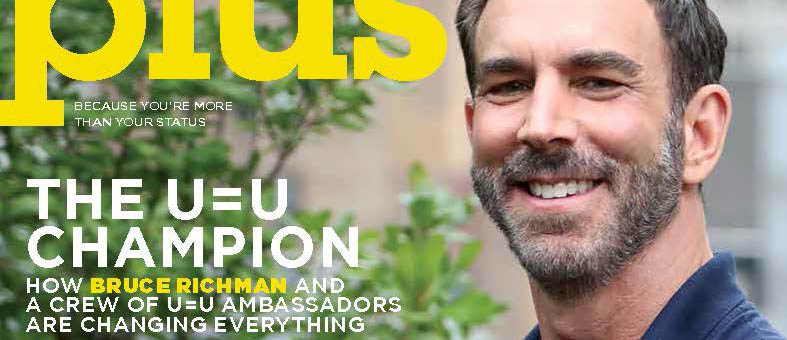
Bruce Richman: Meet the Man Behind U=U

From aidsplusmag.com….

Bruce Richman, the renowned activist and founder of the Prevention Access Campaign, the organization that launched the undetectable equals untransmittable (U=U) message, is on a return flight from Greece where he joined local advocates in sharing the news that when you’re living with HIV, on meds, and undetectable, it is impossible to transmit the virus to others.

For the last several years, Richman has united activists in efforts to end both the HIV epidemic and the stigma that many people living with HIV face. A growing network of health experts, professionals, teachers, siblings, spouses, parents, and friends have changed perspectives on what a positive diagnosis means. Through hard-hitting research and tenacious activism and lobbying, U=U has become a global consensus, recognized by the Centers for Disease Control and Prevention and numerous other agencies, doctors, and organizations around the world.

But despite the immense impact U=U has already had on the esteem, relationships, and overall wellness of those living with HIV (and the people who love them), the rest of the country’s general perception of HIV is still outdated. This is what drives Richman’s pursuit to change hearts and minds.

“U=U is my calling,” Richman, a lawyer-turned-activist, says. “It grabbed me by the gut and yanked me forward. I’ve never felt such a compulsion and clarity. I knew that undetectable equals untransmittable, but millions of people were suffering because they were not being told and people in positions of great influence to alleviate that suffering were sitting on their hands. I had no choice.”

Read the full article.

Many dating apps continue to ghost health officials

From Politico.com

Many dating apps continue to ghost health officials and advocacy groups who seek their help fighting the epidemic of sexually transmitted diseases the platforms have helped bring about. Some of the sites, however, are starting to swipe right.

Even as rates of syphilis, gonorrhea, and chlamydia have climbed to record levels over the past few years, major dating apps and sites like Tinder have avoided taking action or even speaking up about the problem.

Studies firmly establish “undetectable equals untransmittable”

From NIH.gov

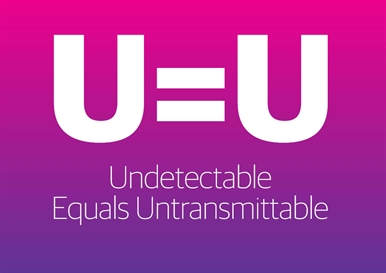
Extensive evidence from HIV prevention research studies has firmly established that “Undetectable Equals Untransmittable,” or U=U. This means that people living with HIV who achieve and maintain an undetectable viral load — the amount of virus in their blood — by taking antiretroviral therapy (ART) as prescribed do not sexually transmit HIV to others. The U.S. Centers for Disease Control and Prevention estimates this strategy is 100% effective against the sexual transmission of HIV.

Now, a new study of nearly 112,000 men who have sex with men in the United States has found increasing acceptance of the U=U message in this population. Overall, 54% of HIV-negative participants and 84% of participants with HIV correctly identified U=U as accurate. The study was supported by the National Institute of Allergy and Infectious Diseases (NIAID), part of the National Institutes of Health. Study results were published online in the Journal of Acquired Immune Deficiency Syndromes.

“U=U has been validated repeatedly by numerous studies as a safe and effective means of preventing the sexual transmission of HIV,” said Anthony S. Fauci, M.D., NIAID Director. “The increased understanding and acceptance of U=U is encouraging because HIV treatment as prevention is a foundation of efforts to end the epidemic in the United States and around the world. This public health message has the power to reduce stigma, protect the health of people living with HIV and prevent sexual transmission of HIV to others.”

Read the full article.

Only 13% of the gay community utilize LGBT-specific clinics and providers Leave a reply

A new study from the Williams Institute at UCLA School of Law (Utilization of LGBT-Specific clinics and providers across three cohorts of lesbian, gay, and bisexual people in the United Statesfound that only a minority (13%) of LGB people have utilized LGBT-specific clinics and providers, but a majority (52%) expressed an interest in utilizing them in the future.

Researchers examined a representative sample of LGB people in the United States from three age groups—young (18-25), middle ( 34-41) and older (52-59)—to understand the factors that influenced past utilization of LGBT-specific clinics and providers and interest in using them in the future.

“The discrepancy between past utilization and interest in future use of LGBT-specific providers suggests there is a disconnect between the type of healthcare many LGB people would like to have and what they have access to,” said lead author Alexander J. Martos, former Research Analyst at the Williams Institute. “Younger, Black LGB people and those with lower incomes reported the greatest interest in LGBT community-based healthcare.”

Read the full article.

Health Alert: Get tested for HIV and other STIs

According to a CDC report, HIV continues to have a disproportionate impact on racial and ethnic minorities, gay and bisexual men, and other men who have sex with men. Yet, 15% of men who are infected with HIV don’t know it.
Also, according to CDC research, cases of gonorrhea, chlamydia and syphilis have risen for the fifth consecutive year.

Some STIs (including HIV) can go unnoticed since symptoms can be mistaken for minor health problems like a cold or sore throat. Some may have no symptoms at all. The only way to know if you’re infected is to get tested.

If you send us your zip code, we can help find local testing near you. Most are free. You can also ask us questions about basic sexual health, including PrEP. Send a message to m4mInformation@pitt.edu. We’re here to help


Health Alert: New drug-resistant STI spreading among men who have sex with men

Researchers at the University of Washington have identified a worrisome new bacterial cluster that’s growing in prevalence among men who have sex with men and is resistant to antibiotics.

The drug-resistant strains were identified in Seattle and Montreal, although researchers believe they’re common worldwide. Known as Campylobacter coli, the bacteria cause severe abdominal pain, bloody diarrhea, and fever and are estimated to affect about 1.3 million people in the United States annually. The journal Clinical Infectious Disease published the finding this month.

While the infection usually passes after a few days, it can pose a more serious threat to those with compromised immune systems.

Men who have sex with men are more prone to infection due to sexual practices like anal sex and rimming, according to the researchers. Transmission occurs when fecal matter enters another person’s body, and while it isn’t limited to any one population, gay men are more likely to experience drug-resistant infections because they’re more likely to have recieved antibiotics for similar infections in the past.

“The international spread of related isolates among MSM populations has been shown before for Shigella [another enteric pathogen], so it makes sense to see it in Campylobacter as well,” wrote the study’s lead author, Dr. Alex Greninger. “The global emergence of multidrug-resistant enteric pathogens in MSM poses an urgent public health challenge that may require new approaches for surveillance and prevention.”

Read more on Out Magazine online.

Latino and Black men less likely to use PrEP

Research says that men who have sex with other men make up 67% of new HIV infections. Then on top of that, 25 percent of Latino men who have sex with other men (MSM) will be infected with HIV in their lifetime. And, 50 percent of Black MSM will experience the same. That’s compared to 12.5 percent of white men. That said, men of color are less likely to use the HIV preventive drug pre-exposure prophylaxis or PrEP. Why is this?

A recently published study in the Centers for Disease Control and Prevention’s Morbidity and Mortality Weekly Report tries to understand why this is happening. The study, led by Dafna Kanny of the CDC’s Division of HIV/AIDs Prevention looked through interviews with 4,000 men who took part in a 2017 HIV Behavioral Surveillance Survey.

As NBC writes, researchers believe the problem lies in accessibility issues to health care. Studies show health care providers are not prescribing Black and Latino men to PrEP. In addition, men of color are less aware of PrEP’s very existence. The CDC’s study found that 95% of white men, 87% of Latino men, and 43% of Black men are knowledgeable about PrEP. Then even worse, only 58% of white, 44% of Latino, and 43% of Black men said they discussed the preventative medication with a physician.

As Kanny told Reuters Health,“This type of research is critical to finding—and correcting — missed opportunities to offer PrEP to people at risk of HIV, particularly among African American and Latin gay and bisexual men.”

He said further: “It’s important for providers to take sexual histories of gay and bisexual men and to discuss PrEP as an option for HIV prevention with those who could potentially benefit from it,” said Kanny. “These discussions also help to destigmatize PrEP use, which is particularly important for increasing PrEP use among African American and bisexual men.”

Care providers reluctant to explain *undetectable equals untransmittable* to patients

From Medscape

WASHINGTON, DC — HIV treatment that leads to viral suppression for at least 6 months is 100% effective in preventing the transmission of HIV, even in the absence of condoms or HIV prevention drugs, according to the Centers for Disease Control and Prevention. But not all care providers tell their patients that.

A survey in the Midwest showed that 22% of HIV physicians still don’t feel comfortable explaining to patients the science behind what is known in the community as U=U, or undetectable equals untransmittable.

And that number is even higher among the physician assistants, nurse practitioners, advanced practice nurses, and traditional registered nurses who serve people living with HIV, said Emily Petran, MPH, from the Minnesota site of the Midwest AIDS Training and Education Center (MATEC) in Minneapolis.

The survey — which was more of a needs assessment than a scientific survey — points to the need for education so that people with HIV have all the information they need to care for themselves and their partners, she said here at the United States Conference on AIDS 2019.

Continue reading

Living with HIV

From U.S. News and World Report

According to the Centers for Disease Control and Prevention, an estimated 1.1 million people in the United States are living with HIV. In 2017, 38,739 people received an HIV diagnosis, and when they first heard the word “positive,” many were thrust into feelings of anger, sadness, denial and fear.

“There are some people who suspect they are HIV-positive but go a very long time without testing, and then there are other people who test for whatever reason and turn out positive,” says Mallory Johnson, a clinical psychologist and professor at the University of California–San Francisco School of Medicine and co-director of the NIH-funded Center for AIDS Prevention Studies. “Those tend to be the extremes of the experience.” Disbelief and shock, Johnson says, are the most common responses.

Of those living with the virus in the U.S., about 14%, or 1 in 7, are unaware of their infection. HIV weakens the immune system by destroying cells meant to combat infection and disease; AIDS is the final stage of the infection, when the immune system has been severely damaged. Not all HIV-positive individuals will develop AIDS – antiretroviral therapies and other medications now allow people with the virus to live long, healthy lives.

Still, receiving a chronic diagnosis like HIV is likely to produce emotional distress. Here’s a look at the toll such a diagnosis takes, as well as how patients can tend to their psychological health.

Scarcity of scientific studies on interventions to reduce health inequities in LGBTQ youth

From HealthNewsDigest.com

There is a dearth of scientifically investigated, evidence-based interventions to address substance use, mental health conditions and violence victimization in sexual and gender minority youth, according to a research review led by the University of Pittsburgh Graduate School of Public Health and published today in the journal Pediatrics.

After poring over thousands of research publications spanning nearly two decades, the scientists identified only nine studies that evaluated such interventions, and most of these used suboptimal study designs, thereby limiting the validity of the findings. None of the programs would be sufficient to mitigate the substantial inequities faced by lesbian, gay, bisexual, transgender and queer (LGBTQ) youth, the scientists concluded.

“While this knowledge gap is distressing, I think we can look at it as an opportunity,” said lead author Robert W.S. Coulter, Ph.D., M.P.H., assistant professor in Pitt Public Health’s Department of Behavioral and Community Health Sciences. “Promising programs are being created by community-based organizations that are ripe for rigorous evaluation by scientists to determine if they are successfully improving health among LGBTQ youth and, if so, whether they can be replicated in other communities.”

Compared with their heterosexual peers, sexual minority youth have up to 623% higher odds of substance use in their lifetimes; up to 317% higher odds of mental health conditions, such as suicidality and depression; and up to 280% higher odds of violence victimization, such as being bullied at school, or sexually or physically abused. Due to these health inequities, the federal government has designated LGBTQ youth as a priority population for research focused on preventing, reducing and treating these health issues.

Read the full article.

Learning he was “undetectable” was a game changer

In 2012, Bruce Richman received news about his health that would set him on an unexpected path.

His doctor explained to him that he was “undetectable,” meaning that by adhering to his HIV antiretroviral therapy, the viral load in his blood was so low that it could no longer be detected.

Bruce Richman, founder of Prevention Access Campaign, is working to change the way the world views people living with HIV

This was a game changer for him. The news meant that Richman, who first found out he had HIV in 2003, would be unable to pass the virus on to any sexual partner.

“I found out nine years after my diagnosis that I can’t transmit the disease. My doctor told me and, here I am, a privileged white guy with a support system. I’m privileged with this information, and I started looking around and saw that nothing confirmed it was true,” Richman told Healthline. “I started doing research. There was no information out there to the general public that was clear and inclusive and accepted that this was true.”

Richman’s realization that this information, which could benefit thousands upon thousands of people living with HIV, rested mainly within medical circles — accessible to those with connections and privilege — awakened something within him.

Continue reading on Healthline.com.

Thoughts of self-harm still and epidemic among gay youth

From the San Diego Gay and Lesbian News

There were 34,000 respondents in what is being called the “largest survey of LGBT youth mental health ever conducted and provides a critical understanding of the experiences impacting their lives.”

According to the Washington Blade, here are some of the findings:

• 39 percent of LGBT youth seriously considered attempting suicide in the past 12 months with more than half of transgender and non-binary youth having seriously considered it.

• 71 percent of LGBT youth reported feeling sad or hopeless for at least two weeks in the past year

• Less than half of LGBT respondents were out to an adult at school with youth less likely to disclose their gender identity than sexual orientation.

If you or someone you know is feeling hopeless or suicidal, contact The Trevor Project’s TrevorLifeline 24/7/365 at 1-866-488-7386. Counseling is also available 24/7/365 via chat everyday atTheTrevorProject.org/help or by texting 678-678.

Most Americans have never been tested for HIV

From CNN

Most Americans have never been tested for HIV, the virus that attacks and weakens a person’s immune system.

The US Centers for Disease Control and Prevention is hoping to change that.
According to a new report, the agency found that fewer than 40% of people in the United States have been screened for HIV. It recommends that all people 13 to 64 be tested at least once.
Fifty jurisdictions across the country are responsible for more than half of all HIV diagnoses, yet only 35% of the people recommended for testing in those areas were screened in the previous year, the CDC says. And fewer than 30% of people across the country with the highest risk of acquiring HIV were tested in that period.
“Diagnosis and treatment are the first steps toward affording individuals living with HIV a normal life expectancy,” CDC Director Dr. Robert Redfield said in a statement. “As we encourage those at risk for HIV to seek care, we need to meet them in their journey. This means clearing the path of stigma, finding more comfortable ways of delivering health services, as well as learning from individuals already in treatment so the journey becomes easier for others who follow.”

Researchers receive NIH grant to develop rapid, low cost HIV test

From eurekalert.org

Currently, there is no reliable technology that can detect HIV during the early stages of the infection or measure viral rebound in antiretroviral therapy in treated patients in resource constrained point-of-care settings. There is therefore, an urgent need to develop a rapid, disposable, automated, and low-cost HIV viral load assay to increase timely access to HIV care and to improve treatment outcomes.

That’s exactly what a researcher from Florida Atlantic University’s College of Engineering and Computer Science is developing. He has teamed up with a researcher from FAU’s Schmidt College of Medicine to combine their expertise in microchip fabrication, microfluidics, surface functionalization, lensless imaging, and biosensing to create a reliable, rapid and inexpensive device for viral load quantification at point-of-care settings with limited resources.

They have received a $377,971 grant from the National Institutes of Health (NIH) to develop a disposable HIV-1 viral load microchip that can selectively capture HIV from whole blood/plasma. The technology is being developed to be highly sensitive to quantify clinically relevant viral load during acute phase and virus rebound as well as inexpensive (costing less than $1), and quick (results in less than 45 minutes). Moreover, this technology is highly stable, and does not require refrigeration or a regular electric supply to enable HIV viral load at point-of-care settings.

Read the full article.

Documentary 5B shows the real heroes of the AIDS epidemic

From People.com

This was a time when people weren’t even touching patients with HIV,” says Priyanka Chopra, a prominent supporter of the film on behalf of the AIDS charity RED, which will receive 30 percent of all box office proceeds. “They would lay in their soiled bedsheets for days where nobody would come and even enter their room to feed them. At that time, these nurses chose to not think about whether they would live or die and actually the nobility of the profession is what you see in this movie.”

The film, which received a four-minute standing ovation at the Cannes Film Festival last month, features the nurses of ward 5B at San Francisco General Hospital who didn’t allow societal ignorance, prejudice and fear curtail their drive to administer compassionate health care to patients who had otherwise been cast aside. These were patients who most health care professionals wouldn’t touch without wearing gloves, even a hazmat suit.

Read the full article.


How Pittsburgh is at the forefront of HIV awareness, prevention, and care

On World AIDS Day in 2015, AIDS Free Pittsburgh launched as a collective initiative of healthcare institutions and community-based organizations to support those living with HIV/AIDS, and those in high-risk communities. Following the example of San Francisco and New York, the organization set three goals: to increase access to PrEP, to routinize and destigmatize HIV testing, and to put in place a rapid linkage to care for those diagnosed.

One of the major successes of these efforts has been the increased information about and access to PrEP. Dr. Ken Ho, chair of the PrEP subcommittee of AIDS Free Pittsburgh, says, “We’ve developed multiple programs to make PrEP more accessible in Pittsburgh.” He goes on, “My hope is that our efforts will translate to a continued decline in HIV infections.” These efforts have included putting together PrEP toolkits for providers, hosting informational happy hours for pharmacists, and multi-pronged advertising and media campaigns to chip away at the stigma associated with HIV.

Read the full article.

Rectal douching may increase odds of contracting HIV and other STIs

From HIVplusmag.com..

According to a study published in the journal Sexually Transmitted Infections, rectal douching might increase the odds of contracting HIV and other STIs — including hepatitis, chlamydia, and gonorrhea.

Researchers state that douching before sex can damage the lining of the rectum, which leads to an increased risk of transmission due to indirect entry into the bloodstream.

Rectal douching is a common practice among gay and bisexual men who prefer the “bottom” role in sex. It’s widely used in an effort cleanse the rectum before having anal sex. According to researchers, nearly half of men who have sex with men engage in the practice.

In this particular study, researchers examined 28 studies involving 21,570 MSM — 46 percent were in the U.S., 35 percent were in Europe, and the rest were in South America, Asia, and Africa, reports NAM AIDS Map. All of the studies were published between 1982 and 2018.

Twenty of the studies were particularly focused on the association between douching and HIV transmission. They found that men who practiced rectal douching were nearly three times as likely to contract HIV.

Read more.