AIDS Education Month: Philadelphia FIGHT looks to raise awareness, combat the virus

From kywnewsradio.radio.com

June is AIDS Education Month, and Philadelphia FIGHT has organized a number of events designed to prevent HIV and get folks tested. “People are not going in to get treatment. People still lack access to care,” said Tashina Okorie the director of community health training alliance for Philadelphia FIGHT. She says, while many believe that the AIDS epidemic is over, there is a lack of education and a plethora of stigma.

So the goal of AIDS Education Month, Okorie says, is to dispel myths and provide details on testing, prevention and access to health care. “Access to prep and access to just medication, so you can take care of your health,” she said.

On Tuesday, hundreds will attend the HIV Prevention and Education Summit at the Pennsylvania Convention Center, which will feature dozens of workshops. “Around HIV prevention, around hepatitis C treatment, around behavioral health matters,” she explained. Later in the month there’s a community cookout and workshop on how to teach others about HIV.

Read the full article.

1 in 5 new HIV diagnoses are among Latinx gay and bi men

From pridesource.com

According to the CDC, one in five new HIV diagnoses in 2017 in the U.S. were among Latinx gay and bisexual men. While HIV rates are stable, or falling in other groups, they rose by 12 percent among these men from 2012-2016. Eighty-four percent of the increase among Latinx gay and bisexual men was in Puerto Rico, Arizona, California, Florida, Illinois, New York, and Texas. By looking at different factors and health outcomes, the authors highlight four policy actions to heighten attention:

  • Strengthen governmental responses to HIV that focus on the unique prevention and care needs of Latinx gay and bisexual men
  • Address the social determinants of Latinx gay and bisexual men’s health.
  • Support immigrants and migrants, including when providing HIV services.
  • Cultivate and support emerging Latinx leaders.

“There is much that we are getting right in our national response to HIV, as exemplified by declining HIV diagnoses and increased HIV viral suppression, yet these outcomes are not being equally shared. By understanding the challenges facing Latinx communities and more strongly embracing Latinx gay and bisexual men, we can turn this around and reduce these disparities,” says Jeffrey S. Crowley, program director of Infectious Disease Initiatives at the O’Neill Institute for National and Global Health Law at Georgetown Law.

Read the full article.

April is STD awareness month: Good health means getting tested

If you are sexually active, getting tested for STDs is one of the most important things you can do to protect your health. Make sure you have an open and honest conversation about your sexual history and STD testing with your doctor and ask whether you should be tested for STDs. If you are not comfortable talking with your regular health care provider about STDs, there are many clinics that provide confidential and free or low-cost testing.

Below is a brief overview of STD testing recommendations. STD screening information for healthcare providers can be found here.

  • All adults and adolescents from ages 13 to 64 should be tested at least once for HIV.
  • All sexually active women younger than 25 years should be tested for gonorrhea and chlamydia every year. Women 25 years and older with risk factors such as new or multiple sex partners or a sex partner who has an STD should also be tested for gonorrhea and chlamydia every year.
  • All pregnant women should be tested for syphilis, HIV, and hepatitis B starting early in pregnancy. At-risk pregnant women should also be tested for chlamydia and gonorrhea starting early in pregnancy. Testing should be repeated as needed to protect the health of mothers and their infants.
  • All sexually active gay and bisexual men should be tested at least once a year for syphilis, chlamydia, and gonorrhea. Those who have multiple or anonymous partners should be tested more frequently for STDs (i.e., at 3- to 6-month intervals).
  • Sexually active gay and bisexual men may benefit from more frequent HIV testing (e.g., every 3 to 6 months).
  • Anyone who has unsafe sex or shares injection drug equipment should get tested for HIV at least once a year.

You can quickly find a place to be tested for STDs by entering your zip code at gettested.cdc.gov.

Healthcare providers should discuss U=U with all their HIV-positive patients

From aidsmap.com

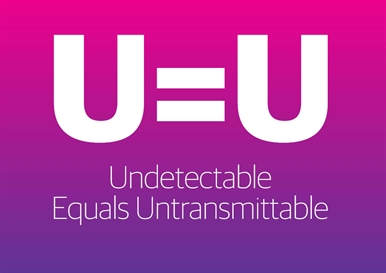
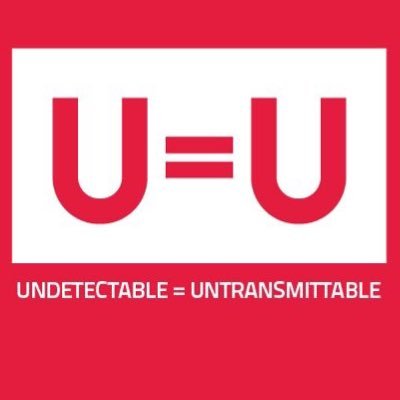
Healthcare providers should inform all patients with HIV they cannot transmit HIV to a sexual partner when their viral load is undetectable, argue the authors of  a strongly worded comment in The Lancet HIV. The authors note that despite overwhelming scientific data supporting the undetectable = untransmittable (U=U) message, significant numbers of healthcare providers do not educate their patients about U=U when telling them their viral load is undetectable.

“Providers caring for patients with HIV should universally inform their patients about U=U as part of their routine care,” write Dr Sarah Calabrese of George Washington University and Professor Ken Mayer of the Harvard Medical School and Fenway Institute. “Conveying benefits and risks surrounding any treatment is fundamental to patients’ decision making, and this HIV treatment benefit should be no exception.”

Read the article on aidsmap.com.

Black and African American LGBTQ Youth Report

From the Human Rights Campaign

In 2017, the Human Rights Campaign Foundation partnered with researchers at the University of Connecticut to conduct a groundbreaking survey of over 12,000 LGBTQ youth and capture their experiences in their families, schools, social circles and communities. More than 1,600 Black and African American LGBTQ youth responded to the survey.

This resource presents data collected from these youth, shedding light on their challenges and triumphs encountered while navigating multiple, intersecting identities. This report utilizes the full sample (any respondent who answered more than 10 percent of the survey) and provides more detail than is captured in the 2018 Youth Report.

Find out more.

AIDS Resource Alliance offers education, support, prevention services in State College

From centredaily.com

Though HIV is treatable today, the challenges of navigating the health care system can be stressful for anyone, let alone an individual living with a chronic illness. AIDS Resource Alliance utilizes a team of case managers who are trained to help their clients with insurance, housing, treatment and other issues that impact the lives of persons living with HIV. Twice-monthly support groups give clients a chance to share their experiences and struggles within a safe space where judgment and stigma are not allowed.

AIDS Resource Alliance also provides prevention services to the communities they serve. HIV and STI testing are available free of charge during office hours, as are condoms and other harm reduction materials. Each testing client is also provided with risk-reduction education, and general education services are available to local agencies and organizations who want their members to learn more about HIV and sexual health.

Much has changed since the earliest days of the epidemic, and the staff at AIDS Resource are preparing for the future with programming that addresses the new landscape of HIV in America. PrEP, the daily medication that can prevent HIV infection, is prescribed free in the Williamsport offices, as are the required testing and physical examinations necessary to continue the medication (the cost of the drug is the responsibility of the patient, but the AIDS Resource team can assist the client in applying for programs that assist in covering the cost of the drug.) As the population of people living with HIV enters their 60s and beyond, support group and other focused social activities enable clients to maintain positive social connections. Counseling services are provided free of charge to clients who request them.

Find out more.

Who we are…

ask-questionsm4mHealthySex.org is a joint effort between the HIV Prevention and Care Project and the Pitt Men’s Study at the Graduate School of Public Health, University of Pittsburgh. Our goal is to provide up-to-date sexual health information for men who have sex with men. Page links include information about free HIV and STD testing, referrals to LGBTQ-friendly care providers, and information about PrEP.

Email us for more information: m4mInformation@pitt.edu.


Health Alert: 10% of HIV cases in gay/bi men linked to gonorrhea and chlamydia infection

From Gaystarnews.com

One in ten new cases of HIV in gay and bisexual men are linked to gonorrhea and chlamydia infection. That’s the conclusion of a modelling study highlighted by the NCSD (National Coalition of STD Directors) in the US.

The journal, Sexually Transmitted Diseases, published the research this week. Both sexually transmitted infections can increase the risk of HIV transmission taking place: a fact known for some time.

However, with rates of both gonorrhea and chlamydia rising in the US, health experts are concerned how this may impact public health advances in tackling HIV.

Between 2013-2017, the US saw a 22% increase in chlamydia. Gonorrhea diagnosis shot up by 67%. By comparison, there has been a 13% drop in HIV diagnosis over the last eight years.

The precise extent to which chlamydia and gonorrhea increase HIV transmission is unknown. Other biological factors may also play an influence. For this reason, parts of the ‘modelling’ study relied on estimates.

However, researchers from Emory University and the Centers for Disease Control and Prevention (CDC) in Atlanta say their findings should be used by those working in public health to address the issue of STIs and HIV transmission.

Read the full article.

Why are we so coy about sex education for gay teens?

From theguardian.com

Society likes to keep gay teens sexless. It likes to maintain that gay content (even something non-sexual, like the representation of gay parents) is inappropriate for children’s TV or books. Those who complain say it’s too adult – implying that queerness, essentially, is all about sex, while straightness is just what a normal relationship looks like. It’s a weird dichotomy: straight people holding hands are non-sexual, while queer people holding hands is somehow the same as broadcasting pornography. The message is clear across all media: gays have to be kept sexless because they’re already too much about sex.

Read the full article by novelist Lev Rosen.

Overwhelming evidence shows HIV undetectable = untransmittable

From Gay Star News

HIV positive people with an undetectable viral load cannot sexually transmit HIV. That’s the unequivocal conclusion from one of the leading health agencies in the US.

Researchers from the National Institute of Allergy and Infectious Diseases (NIAID) undertook a review of recent research. Their conclusion is simple: Undetectable = Untransmittable (U=U). It’s the same message now backed by over 300 health agencies all around the world.

The results of the NIAID review were published yesterday in the Journal of the American Medical Association (JAMA). One of the reports co-authors is NIAID Director, Dr Anthony Fauci. He is widely regarded as one of the world’s leading HIV experts.

In a statement, NIAID called evidence for Undetectable = Untransmittable ‘overwhelming’. Not only does getting those diagnosed with HIV on to Antiretroviral Therapy (ART) ensure their long term health. But it also significantly reduces HIV transmission rates. This is because those with the virus suppressed in their body cannot pass it on.

The authors pointed to research that looked at over 77,000 examples of condomless sex between serodiscordant male couples. One half of the couple had HIV and the other did not. There was not a single transmission of the virus from the HIV positive person to the negative person.

Read the full article.

HIV infections among black gay men taking PrEP, probably due to poor adherence

From aidsmap.com

Awareness and use of HIV pre-exposure prophylaxis (PrEP) among black gay, bisexual and other men who have sex with men (MSM) in the United States increased significantly between 2014 and 2017, according to research published in the 1 November edition of the Journal of Acquired Immune Deficiency Syndromes. The study also showed that PrEP was reaching individuals with high levels of sexual risk, sexually transmitted infections (STIs) and substance use, the very individuals most in need of this highly effective form of HIV prevention.

However, HIV prevalence was significantly higher among PrEP users compared to individuals who were not on PrEP. The investigators stress this does not show PrEP failure but is likely due to factors such as poor medication adherence and lack of engagement with healthcare providers.

“It is imperative to recognize that our findings reflect challenges to maintain proper usage of PrEP rather than biological failure of PrEP to protect against HIV,” write the authors. “HIV infections that have occurred among PrEP users are the result of suboptimal levels of drug concentrations because of challenges in adhering to PrEP medical regimens.”

Black MSM account for the largest proportion of new HIV infections in the US. If current epidemiological trends continue, 60% of black MSM will be HIV positive by the age of 40. Tackling the HIV epidemic among black MSM is therefore an urgent public health priority.

Read the full article.

New STDs emerging

From the New York Daily News

The first worrisome pathogen is Neisseria meningitides, a bacteria that “can cause invasive meningitis, a potentially deadly infection of the brain and spinal cord’s protective membranes,” the health website Mosaic informs us. “More commonly, it’s gaining a reputation as a cause of urogenital infections.”

N meningitides resides in the back of the nose and throat of between 5% and 10% of adults, the site said. There’s a chance people can transmit the bacteria via oral sex or deep kissing.

In 2015, Mosaic said, the bacterial strain mixed with the closely related N gonorrhoeae, which causes gonorrhea — a mutation that allowed the disease to spread more readily.

On the upside, vaccines are available that can protect against all five strains of the gonorrhea bacterium.

Second on the list is Mycoplasma genitalium, one of the world’s smallest bacteria. Between 1% and 2% of people are infected, most of them teens and young adults. Many times it doesn’t cause symptoms, but it can irritate the urethra and cervix, just as gonorrhea and chlamydia do. In women this can lead, like chlamydia, to pelvic inflammatory disease and its associated potential for infertility, miscarriage, premature birth and stillbirth.

While antibiotics exist that will eradicate it, resistant strains are developing, which means it could morph into a superbug.

Third on the list is Shigella flexneri, which one contracts from feces. Shigellosis is one of the bacteria causing dysentery, so is not exclusively contracted via sexual contact. But it might have found a new avenue in anal-oral sex, reported Medscape and the CDC. And given that it is becoming resistant to azithromycin, which also treats gonorrhea, the potential for a superbug is there.

Lymphogranuloma venereum (LGV) is number four on the emerging-STD list, caused by acute Chlamydia trachomatis strains. Its incidence is increasing in Europe and North America, especially among gay and bisexual men, Mosaic reports. A 2016 CDC report documented a cluster of cases among men having sex with men in Michigan. Its symptoms can be subtle, with a fast-disappearing lesion in the genital area, but they can also be even less noticeable, according to the CDC.

When it comes to prostate cancer, ‘gay men are erased,’ patients say

From NBC News

Prostate cancer is the most prevalent invasive cancer among men, affecting nearly one in eight at some point in their lives, according to the Centers for Disease Control. But the unique challenges facing gay and bisexual men with prostate cancer have largely gone unaddressed.

Men who have sex with men (MSM) are less likely to get regular prostate cancer screenings, and those who are diagnosed are less likely to have familial and social support, according to research cited by the National Institutes of Health. And if their health care provider is not culturally competent, gay and bisexual men are much less likely to understand how treatment will impact their quality of life.

“Those in large metropolitan areas may have the option of searching for an LGBT-welcoming provider, but most Americans don’t have a choice about who treats them.”

“Many LGBT people enter their cancer treatment wary,” Liz Margolies of the National LGBT Cancer Network told NBC News. “Those in large metropolitan areas may have the option of searching for an LGBT-welcoming provider, but most Americans don’t have a choice about who treats them.”

As a result, Margolies added, many lesbian, gay, bisexual and transgender patients go back in the closet when they begin cancer treatment. Even if they don’t, providers often don’t ask about patients’ sexual behavior or identity, forcing them to bring the subject up themselves — sometimes again and again with each new specialist.

Read the full article.

Historic Increase in Syphilis Infections

The Pennsylvania Department of Health is reporting an historic increase in the number of new Syphilis infections in the state.

The Health Department is asking anyone who fits the criteria listed here to have a Syphilis test…

  • A rash on the palms of the hands or on the soles of the feet, back, chest, or stomach
  • A lesion (red sore) in the genital, rectal, or oral area
  • Moist papules in the mouth
  • Sudden scalp alopecia (loss of hair)
  • Sudden loss of eyelashes and eyebrows
  • Swelling of the lymph nodes
  • A recent positive test for another STD such as gonorrhea, chlamydia, HIV or Hepatitis C

Send your zip code to m4mInformation@pitt.edu and we’ll send you locations for STD testing. Most are free.

Syphilis is a sexually transmitted infection. If it goes untreated, it can lead to serious health problems including paralysis, blindness, and dementia. However, Syphilis is 100% curable with simple antibiotics.

Syphilis is spread through direct contact with a Syphilis sore during vaginal, anal, or oral sex. You can get Syphilis and not have any symptoms so the only way to know for sure you’re not infected is to get tested.

Several locations around the state have free Syphilis testing. Click on this link to find free testing at a State Health Center near you.

To find out more about Syphilis, go to www.cdc.gov/std/syphilis/stdfact-syphilis.htm


___________________________________________________________________________________________________________________________________________________________


To find out more about Health Alerts, go to the Pitt Men’s Study Website.

To Unsubscribe from Health Alerts, send an email to rgy2@pitt.edu with the word unsubscribe in the subject line.

Pitt Men’s Study Health Alerts are presented by the Pitt Men’s Study and the HIV Prevention and Care Project at the University of Pittsburgh Graduate School of Public Health.

New CDC initiative educates providers about PrEP and PEP

From HIV.gov

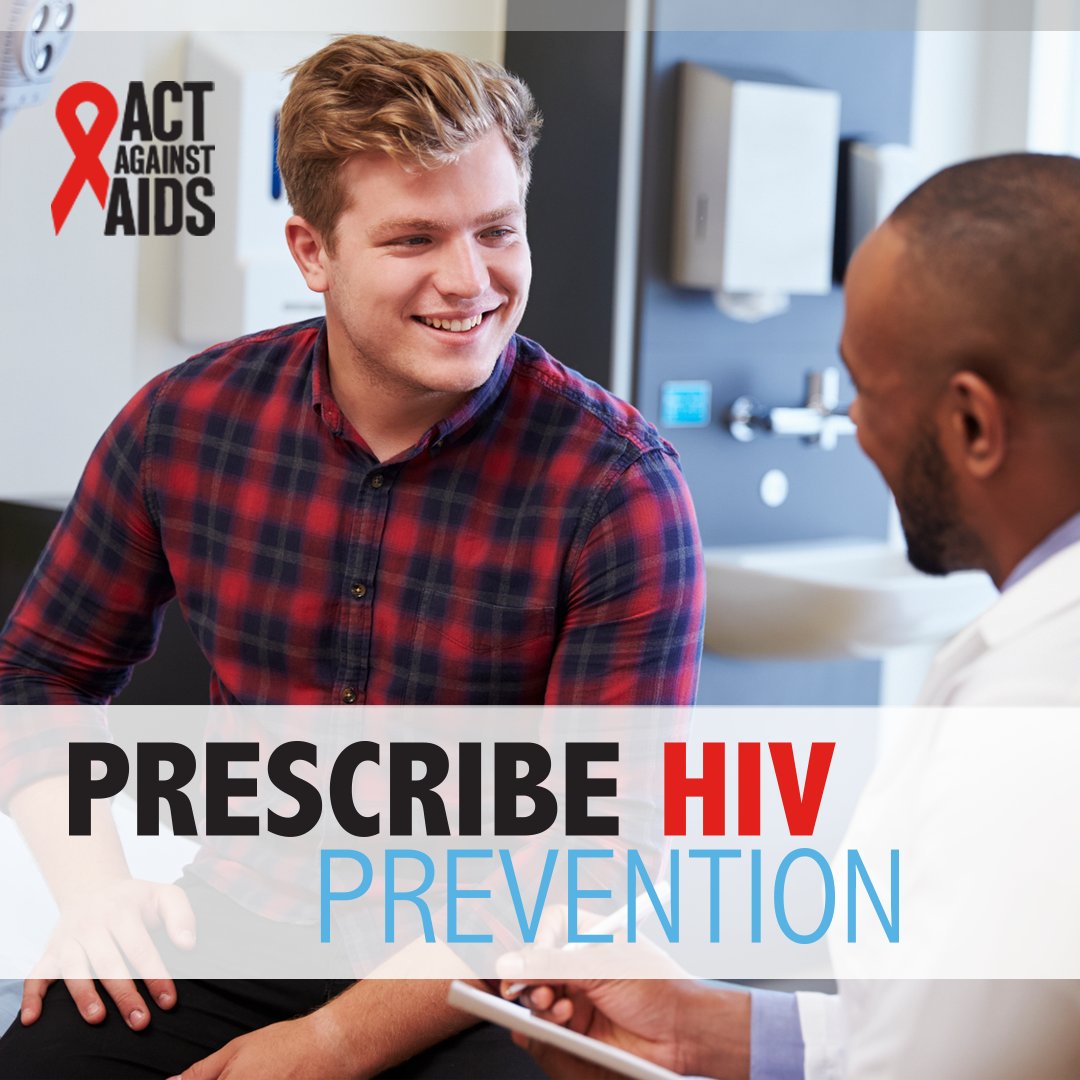
CDC’s Act Against AIDS initiative recently launched Prescribe HIV Prevention, a new initiative for healthcare providers that focuses on HIV pre-exposure prophylaxis (PrEP) and post-exposure prophylaxis (PEP). The target audience includes primary care providers, infectious disease and HIV specialists, nurses, and public health practitioners.

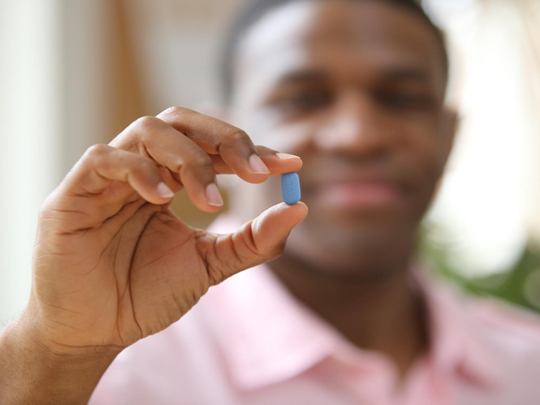
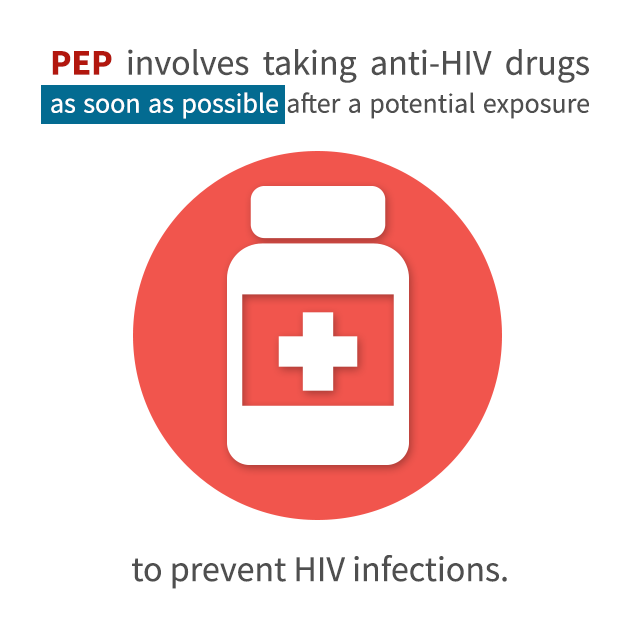
PrEP is a way for people who are HIV-negative but at high risk for getting the virus to prevent HIV infection by taking a pill every day. PrEP is highly effective when taken as prescribed. PEP is the use of antiretroviral drugs after a single high-risk event to prevent HIV. It must be started within 72 hours of a possible exposure.

Prescribe HIV Prevention educates providers and patients about these biomedical prevention tools and encourages providers to consider PrEP and PEP for patients at high risk for HIV. It includes resources such as a guide for discussing sexual health with patients, brochures and posters to educate patients about PrEP and PEP, continuing medical education programs, and a medication guide for patients.

Internet-based intervention effective in the treatment of depression in people living with HIV

From aidsmap.com

An online self-help intervention is effective in the treatment of mild to moderate depressive symptoms in people with HIV, according to a randomized clinical trial conducted in the Netherlands and published in the September issue of The Lancet HIV.

The trial compared the outcomes in a group who received the online self-help intervention and a control group. The internet-based intervention, available in Dutch and English, consisted of a cognitive behavioral therapy program called “Living Positive with HIV” and developed from a self-help booklet that had previously proved effective in decreasing depressive symptoms. Participants also received minimal telephone coaching by a Masters student in psychology. The control group received the telephone coaching and could access the online intervention after the trial was completed.

Sanne van Leunen and colleagues randomly assigned 188 eligible participants to the intervention (97) or the control group (91) in 2015. Depression was assessed at baseline, Month 2, Month 5 and Month 8 (the control group did not take the last assessment).

As detailed below, results show that more participants in the intervention group than in the control group demonstrated significant change in their symptoms and that this effect was maintained for six months. Anxiety symptoms were also decreased. No adverse events were reported, the rate of satisfaction with the intervention was high, and most participants reported that they would recommend “Living Positive with HIV” to others.

PrEP regarded as a social problem by some gay and bisexual men

From aidsmap.com

[A]ccording to US research published in Sociology of Health & Illness. A series of focus groups conducted in New York City showed that some men regarded PrEP users as irresponsible, naïve, vectors of disease and a social problem. In contrast, other men articulated PrEP as a beneficial new option for preventing the spread of HIV, and also had a nuanced view about the effectiveness of condom-based prevention campaigns and the epidemiology of sexually transmitted infections (STIs) among gay and bisexual men.

“By framing PrEP use as enabling gay and bisexual men to violate subcultural norms of sexual etiquette espoused in previous HIV prevention efforts, claims makers were able to present PrEP users as social problem villains,” write the authors. “Countering claims makers’ framing PrEP as a social problem, some men constructed PrEP as a helpful prevention tool in the fight against the HIV epidemic within gay an bisexual communities. Much of their discourse was couched within a harm reduction model in which PrEP medication is framed as significantly reducing the harm associated with engaging in risky sexual behavior.”

The use of emtricitabine/tenofovir (Truvada) as PrEP was approved in the US in 2012. Studies have shown that, with good adherence, this treatment can reduce the risk of infection with HIV by over 90%.

Read the full article.

Health Alert: Post-Exposure Prophylaxis for HIV (not to be confused with PrEP)

From redorbit.com

Post-exposure prophylaxis (PEP) involves taking of Anti-Retroviral Therapy (ART) drugs after potential exposure to HIV infection. This is an emergency HIV treatment usually received within 72 hours after the possible exposure. This should be confused as a cure for HIV but rather a form of preventing infection. It is, in fact, a short course of ARV drugs to stop the exposure to HIV from progressing into a life-threatening condition.

Some facts about PEP:

  • Taking PEP can result in an array of side effects including fatigue and nausea, but it is advisable not to stop taking the medication, instead consult your healthcare provider.
  • The emergency treatment should be started as soon as possible to guarantee its effectiveness. That means, it should be less 72 hours after exposure to the virus.
  • PEP is prescribed by your doctor to be taken daily at the same time for up to 4 weeks. This is according to the World Health Organization’s guideline on PEP use.

Read the full article.

Get more information about PEP from the Centers for Disease Control and Prevention (CDC).

Stop blaming PrEP for the increase in STI rates

From LGBTQ Nation

In an interview with the Los Angeles Blade about the new study, lead author Phillip Hammack, a professor at the University of California, Santa Cruz, debunked the notion.

“Our data don’t support the idea that we can attribute the rise in STIs to PrEP use, at least not in a direct manner. I personally don’t think that’s what’s happening,” said Hammack.

Instead, Hammack points at the rise of dating apps like Grindr, and a decrease in fear towards contracting HIV, as more likely causes.

“I would speculate it has more to do with a culture shift about sex,” said Hammack. “More people are having sex today. We’re in sort of a quiet sexual revolution when it comes to new identities, new labels, and sexual behavior.”

On the down side, the study also showed that only 4% of men who have sex with men are using PrEP. What’s more, many gay and bisexual men aged 18-25 aren’t getting annual HIV tests. 25% of men who have sex with men in that age range have never gotten an HIV test.

“I worry especially about younger men who didn’t grow up with the concerns of HIV that men of older generations did,” said Hammack in the William Institute press release on the study. “The low rate of HIV testing probably reflects a degree of complacency and cultural amnesia about AIDS.”

Read the full article.