Social apps responsible for increase in STDs?

From the Pittsburgh Post-Gazette

About two years ago, Harold Wiesenfeld, medical director of Allegheny County’s sexually transmitted disease and HIV program, started hearing something from some of his patients that troubled him.

“They were volunteering that many of their partners were unknown because they met them through dating apps and it was anonymous,” he said. Apps like Tinder, OkCupid and Grindr that allow people to scroll through dozens or even hundreds of photos of possible potential dates in a given area within a matter of minutes.

Social apps cause rise in STDsMost troubling, though, was that many of those patients in his private obstetrics and gynecology practice at Magee-Womens Hospital of UPMC believed they had contracted their STD from those anonymous partners they met on a dating app.

This occurred as Allegheny County was seeing a sharp and steady rise in cases of Gonorrhea (up 28 percent) and Chlamydia (up 35 percent) from 2006 to 2014 that concerned and worried health officials. Of even bigger concern is the rapid increase in just a few years of Syphilis, which is up 150 percent since 2009. Cases in that time jumped from 27 to 68 for the disease that can have long-term health concerns, particularly for women who want to get pregnant, and their fetus if they are pregnant.

It has become a big enough issue in Allegheny County, that in the last year, Dr. Wiesenfeld has made asking about the dating apps a standard question for his patients.

“Across the country we are in what we consider an STD epidemic, especially with Syphilis and its health implications,” Dr. Wiesenfeld said.

While some of the increase might be attributed to better screening and testing for the diseases, “many of us STD researchers are concerned with the popularity of these apps in facilitating more casual sexual encounters,” he said.

Read the full article.

Meet the man who got HIV while on daily PrEP

From POZ.com

Ever since July 2012, when the FDA approved Truvada as PrEP, a pre-exposure prophylaxis to prevent getting HIV, its success rate has been, well, perfect. In fact, not a single person adhering to the daily regimen has ever tested HIV positive—and that includes everyone in clinical trials and studies, and the more than 40,000 people taking Truvada as PrEP in the United States. But PrEP researchers, like most scientists, rarely speak in absolutes and guarantees; they’ve acknowledged that, under rare circumstances, an infection is feasible. Last week, that hypothetical situation became a known reality.

HIV pos while on daily PrEPOn February 25 at the annual Conference on Retroviruses and Opportunistic Infections (CROI) in Boston, David C. Knox, MD, an HIV specialist at the Maple Leaf Medical Clinic in Toronto, presented data on a patient who, after two years of good PrEP adherence, tested HIV positive (for more on that, read this article by POZ’s Benjamin Ryan).

In Knox’s presentation, his patient remained anonymous, but many of us in the PrEP and HIV communities had followed his seroconversion story in real time as he posted about it last May in the Facebook group PrEP Facts: Rethinking HIV Prevention and Sex, in which he was an active member. Since then, Joe—as he prefers to be called here—dropped off the discussion boards. I had kept his information and interviewed him earlier this year for a potential POZ feature. At that time, the 44-year-old was excited to put 2015 behind him (more on that later). We chatted about gentrification in Toronto’s “gay village,” and he described himself as a “foreigner” whose family had lived in Kuwait and Denmark before moving to Canada when he was 11, experiences that resulted in his speaking several languages and working as an international flight attendant for 14 years. Now employed at a telecommunications giant, Joe sounded optimistic about his future job prospects and he was devoting energy to the new love of his life: Oliver, a Lhaso Apso-Maltese-Yorkie mix. Importantly, Joe had acclimated to a new HIV regimen, taking his meds each morning, and his viral load had remained undetectable.

Read the full article on POZ.com.

High rates of STIs among PrEP users

From aidsmap.com

Participants taking tenofovir/emtricitabine (Truvada) for pre-exposure prophylaxis (PrEP) continued to have high rates of sexually transmitted infections (STIs) in two US PrEP demonstration projects, according to a pair of reports at the Conference on Retroviruses and Opportunistic Infections (CROI 2016) last month in Boston. Semi-annual STI testing missed many cases, leading researchers to suggest that gay men on PrEP could benefit from screening every three months.

One of the most common concerns surrounding PrEP is the high rate of STIs seen among users. There is little evidence that PrEP actually causes an increase in STIs, but gay and bisexual men at risk for HIV already have high STI rates, and many PrEP users are likely to be already having, or wish to have, sex without condoms.

As Sheena McCormack, lead investigator for the English PROUD study, explained at a CROI symposium on innovations in PrEP, “the pre-existing trajectory of rising STIs [among men who have sex with men] is carrying on, but PrEP means HIV doesn’t have to rise too.”

On the other hand, the regular STI screening recommended for people on PrEP encourages prompt diagnosis and treatment, which reduces onward transmission and could potentially contribute to lowering STI rates among PrEP users compared to non-users.

Read the full story.

The gay sex questions you’re afraid to ask your doctor

From the Huffington Post

No one likes going to the doctor. It’s scary.

But for gay men, it’s even scarier. For one, gay men experience a great deal of stigma and shaming, which makes difficult conversations even harder. Gay men, as a population, are also at higher risk for certain sexually transmitted diseases and conditions. That’s also scary. Lastly, predicting a health care provider’s response to gay-specific isn’t easy. Some doctors are totally comfortable talking about gay sex and gay men’s health; in other instances, doctors shut down entirely.

The reality is, gay men need to feel empowered to have difficult conversations with their doctor. After all, your life is literally on the line. And if your doctor doesn’t respond with professionalism and understanding, it’s time to find someone new.

To get the ball rolling, I asked the gay internet (i.e., my Facebook page) for questions that they’re afraid to ask their doctor — and walked the walk by asking my own doctor, Dr. Jay Gladstein. Here’s what he had to say:

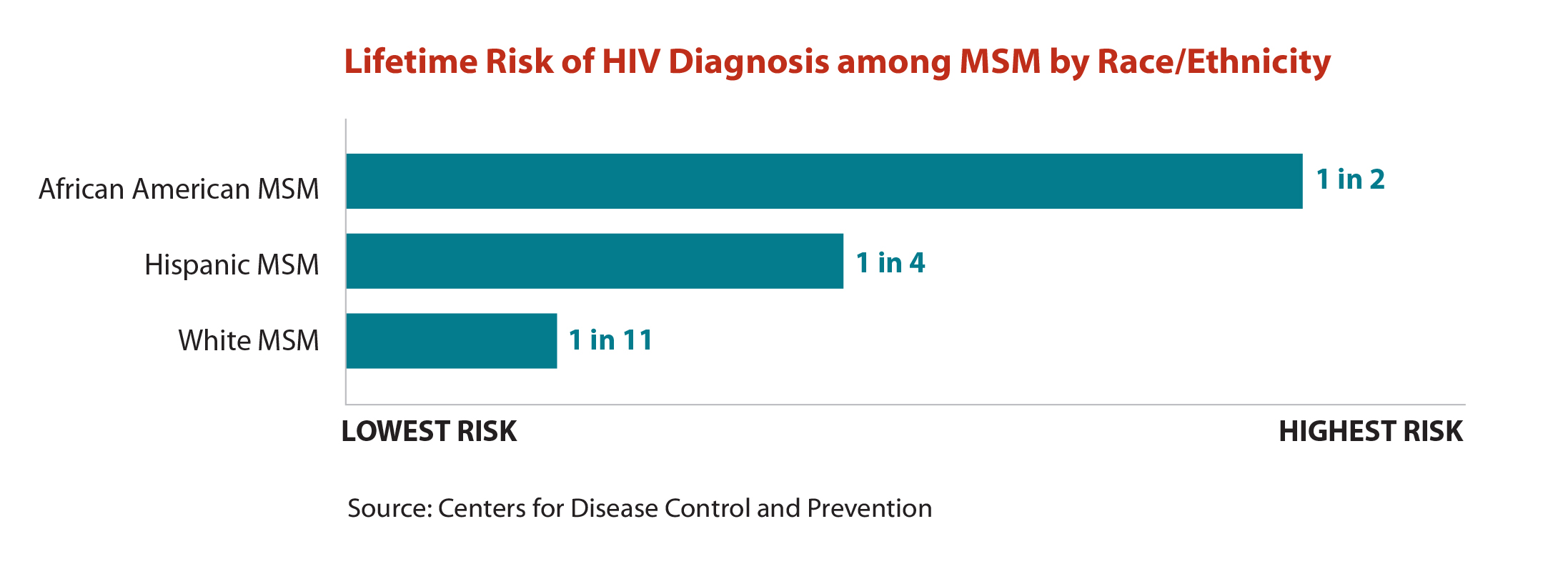
“Half of black men who have sex with men (MSM) will be diagnosed with HIV during their lifetime”

From the Centers for Disease Control and Prevention (CDC)…

If current HIV diagnoses rates persist, about 1 in 2 black men who have sex with men (MSM) and 1 in 4 Latino MSM in the United States will be diagnosed with HIV during their lifetime, according to a new analysis by researchers at the Centers for Disease Control and Prevention (CDC).

The study, presented today at the Conference on Retroviruses and Opportunistic Infections in Bostonprovides the first-ever comprehensive national estimates of the lifetime risk of an HIV diagnosis for several key populations at risk and in every state.

croi_lifetime_risk_msm_race_ethnicity

“As alarming as these lifetime risk estimates are, they are not a foregone conclusion. They are a call to action,” said Jonathan Mermin, M.D., director of CDC’s National Center for HIV/AIDS, Viral Hepatitis, STD, and Tuberculosis Prevention. “The prevention and care strategies we have at our disposal today provide a promising outlook for future reductions of HIV infections and disparities in the U.S., but hundreds of thousands of people will be diagnosed in their lifetime if we don’t scale up efforts now.”

Read the full article on the CDC’s Website.


Defaced sign won’t deter medical practice from its mission

From the Pittsburgh Post-Gazette

A few profane words, scrawled on a sign outside her North Side office Friday afternoon, served as a cruel reminder to Stacy Lane that hate and ignorance still exist.

Dr. Lane, who specializes in care to the LGBT community, said the homophobic and profane graffiti saddened her. But she has a message that is more important and will connect with more people, she said.

“We all need to treat each other with dignity and respect,” she said, standing along the defaced sign for the Central Wellness Outreach Center on Anderson Street. “I think if you spend time with people, one-on-one, it changes your perspective. We all have the same struggles, we all want to be successful, we all want to have our bills paid, we all want to find love. Sometimes that love is a little different, that’s all. If they just took time to meet someone that was different from them, they’d change their mind.”

Dr. Lane opened her practice in the Timber Court building Aug. 3 and has already treated more than 800 patients , most of them members of the lesbian, gay, bisexual and transgender community.

“We do hormone therapy for people that are transgender,” she said. “We have a very nonjudgmental approach, and that’s really important to us. We treat people who are active in their addictions. We treat people who are sex workers or prostitutes for STDs. And we try to engage people that are marginalized in the health care system, that don’t necessarily fit into the big-box health care. We do needle exchanges, and we try to make it a very accessible health care program.”

This was the first incident of vandalism at the facility, which filed a police report about the vandalism. Dr. Lane said the neighborhood has been welcoming and supportive of her practice.

The blade sign, which is placed outside the building each morning and taken inside each night, depicts a person reaching over a rainbow toward the stars. It’s value is about $200, Dr. Lane said.

“Unfortunately, many people that I serve are used to being victimized and marginalized,” she said. “They’re used to having to deal with this on some low level regularly in their lives. That saddens me deeply, that this happened in my space. We intentionally try to make a space that’s welcoming, where this doesn’t happen.”

Dr. Lane said the only change she anticipates in the wake of the incident is the purchase of four more signs — to show that her work will go on.

“I think that awareness that these kind of things still go on is important for Pittsburgh, as a city and us as a community, to realize,” she said. “There are people still out there that hate for no good reason.

“Many people have felt marginalized at some point in their lives, probably including the people that write these type of messages. I would encourage all people to take a good look at themselves and their lives and their families. I would think that most of us would be hard-pressed to have a family that doesn’t have someone that doesn’t necessarily fit into the box that the rest of us fit into.

“We have to remember that we don’t have to like each other. We don’t have to agree with each other’s opinions. But we do have to treat each other with dignity and respect.”


Dept of Health launches program providing coverage for uninsured with Hep C and HIV

 
Harrisburg, PA – Pennsylvania Secretary of Health Dr. Karen Murphy and Secretary of Aging Teresa Osborne announced today the Special Pharmaceutical Benefits Program (SPBP) is implementing a pilot program offering no cost coverage of hepatitis C antiviral medications for individuals with a dual diagnosis of HIV and hepatitis C. This pilot program will be a collaboration between the Department of Health (DOH) and the Department of Aging (PDA).
 
“Protecting Pennsylvania’s more vulnerable residents is one of the Wolf Administration’s primary objectives,” said Secretary Murphy. “Providing drug coverage for individuals suffering from hepatitis C or HIV who couldn’t otherwise afford the proper medical treatments is a part of our goal to ensure that every resident of the commonwealth has the ability to access needed medication.” 
 
The $13 million, six-month program will be made available to hundreds of low-income Pennsylvanians with both hepatitis C and HIV and is funded through additional pharmaceutical liability recoveries made by the Department of Aging’s Pharmaceutical Assistance Contract for the Elderly program (PACE), which offers low-cost prescription medication to qualified residents, age 65 and older.
 
“The opportunity to partner with the Department of Health on this pilot program  is an exciting opportunity to leverage 30-plus years of experience administering an effective prescription drug program with the Wolf Administration’s steadfast commitment to support the health of and improve the quality of life for all Pennsylvanians,” said Secretary of Aging Teresa Osborne. 
 
The SPBP is Pennsylvania’s AIDS Drug Assistance Program (ADAP), which is funded by a federal grant through the Health Resources and Services Administration Ryan White HIV/AIDS Part B Program. The SPBP plays a vital role in providing access to medications for people living with HIV, including those with hepatitis C co-infection. The program serves low to moderate income individuals who are underinsured or uninsured and have a diagnosis of HIV. In addition to HIV viral load suppression, maintaining optimal overall health is equally vital to the management of HIV disease and increases the quality of life for commonwealth citizens.
 
Individuals eligible for or enrolled in other prescription plans must utilize those benefits prior to SPBP. For a full list of the medications, the approval criteria, request form and additional details, please go to the SPBP website at:www.health.pa.gov/spbpFor more information about the PACE program, call 1-800-225-7223.

February 7th is National Black HIV/AIDS Awareness Day

5February 7th marks the 15th annual observance of National Black HIV/AIDS Awareness Day (NBHAAD). Led by the Strategic Leadership Council, this initiative is designed to increase HIV education, testing, community involvement, and treatment among black communities across the nation.

Compared to other racial/ethnic groups in the United States, blacks/African Americans* account for a disproportionate burden of HIV and AIDS. While blacks represent approximately 12% of the U.S. population, they account for more new HIV infections (44%), people living with HIV (43%), and deaths of persons with diagnosed HIV (48%) than any other racial/ethnic group in the nation. Among blacks, gay and bisexual men, especially young men, are the most affected population—accounting for the majority of new infections.

Read more.

Test-and-treat could slash new HIV infections among gay men

From POZ.com

Testing men who have sex with men for HIV and immediately treating those who are HIV positive could greatly reduce new infections among the MSM population as a whole, at least in the Netherlands, Medscape reports. Publishing their findings in Science Translational Medicine, researchers analyzed medical records data as well as genetic information about the virus in 617 recently diagnosed Dutch MSM, in order to make estimates about the likely source of their infections.

An estimated 71 percent of the new HIV cases transmitted from undiagnosed men, 22 percent from men who were diagnosed but not on antiretrovirals (ARVs), 6 percent from men who had started treatment, and 1 percent of diagnosed men who had not been linked to medical care within 18 months. About 43 percent of the transmissions derived from men infected for less than a year.

The researchers estimated that 19 percent of the new HIV cases could have been averted if MSM tested annually for HIV and if those who tested positive were immediately provided treatment. (Half of the at-risk men tested at least annually.) Two-thirds of cases could have been averted if all men testing positive received ARVs and if Truvada (tenofovir/emtricitabine) as pre-exposure prophylaxis (PrEP) was provided to half of all men testing negative.

The researchers concluded that their findings support making PrEP available worldwide.

To read the study abstract, click here.

Gay/bi men are 2% of population but 67% of all new HIV infections in 2014

From Reuters Health

HIV still on the rise among gay menNew strategies to reduce risky sexual behaviors among young gay and bisexual men with human immunodeficiency virus may be needed to reduce new infections, according to a new study.

Researchers found that most young gay and bisexual men with HIV don’t have the virus suppressed by medication, making them more likely to infect others, and more than half reported recent unprotected sex.

While medications for HIV and access to those treatments improved over time, lead author Patrick Wilson said addressing unemployment, education and mental health is also important.

“I think we have to take a multipronged approach,” said Wilson, of the Columbia University Mailman School of Public Health in New York City.

Gay and bisexual men represent about 2 percent of the U.S. population, but accounted for about 67 percent of all people diagnosed with HIV in 2014, according to the HIV Surveillance Report released on Sunday by the Centers for Disease Control and Prevention (see Reuters Health story of December 6, 2015 here).

The steepest rise in HIV diagnoses between 2005 and 2014 was among young gay and bisexual men, with increases ranging from 56 percent among young white men to 87 percent among young black and Latino men.

Continue reading.

University of Pittsburgh’s Dr. Ken Ho talks about PrEP

Dr. Ken Ho at Pitt

Dr. Ken Ho at Pitt

The Centers for Disease Control and Prevention are working to inform patients and health care providers of a new, anti-viral pill that they estimate can drastically reduce the risk of infection.  Here to tell us more about this treatment and discuss why it hasn’t been adopted by clinicians in the region are Dr. Ken Ho, an HIV specialist at the University of Pittsburgh and Jason Herring, director of programs and communications at the Pittsburgh AIDS Task Force.

Listen to the broadcast on Essential Pittsburgh 90.5 WESA, Pittsburgh’s NPR station.

Vitamin D sufficiency may speed up immune recovery during HAART

From medicalnewstoday.com

vitimin D aids HARRTThere are an estimated 33 million people infected with HIV worldwide – 1.2 million of them in the US. The advent in 1996 of highly active antiretroviral therapy (HAART) – a combination of different classes of medications taken daily – means that for many patients who have access to the medication, what was once a fatal diagnosis can now be managed as a chronic disease.

For their study, Prof. Ezeamama and colleagues examined 18 months of data for 398 HIV-positive adults on HAART.

The data included a measure of participants’ vitamin D levels at the start of the trial (baseline) and their CD4 cell counts at months 0, 3, 6, 12 and 18.

In their analysis, the researchers looked at how the changes in CD4 cell counts related to the baseline levels of vitamin D over the study period.

They found that participants with sufficient levels of vitamin D at baseline recovered more of their immune function than participants with vitamin D deficiency.

Read the full story here.

LGBTQ Americans: Time to enroll in health care

enroll in the affordable care actFrom AIDS.gov

The 2016 open enrollment season has begun. Through January 31, 2016, you can apply for a 2016 health plan, renew your current plan, or pick a new plan through the Health Insurance Marketplace.

This is important news for all Americans, including those who identify as lesbian, gay, bisexual, or transgender (LGBT). On average, LGBT Americans experience greater exposure to violence and homelessness, as well as higher rates of poverty, HIV infection, tobacco and substance use, mental health disorders, and cancer. These disparities are even more pronounced for LGBT individuals who are also members of racial and ethnic minorities and have low incomes.

These health disparities are due in part to lower rates of health coverage. Now, thanks to the Affordable Care Act (ACA), LGBT Americans have increased access to quality, affordable health insurance.

Visit HealthCare.gov to enroll in a new plan, change your current plan, and get answers about the ACA. See HHS.gov’s LGBT Health and Well-being: The Affordable Care Act to learn how the ACA helps LGBT individuals and families.

University of Pittsburgh launching study to determine ways to promote health among aging gay and bisexual men

From NewsMedical.net

Dr Ron Stall at the University of Pittsburgh Grad School of Public Health

Dr Ron Stall at the University of Pittsburgh Grad School of Public Health

As the U.S. reaches an important milestone this year in the fight against HIV with more than half the people living with the virus older than age 50, the University of Pittsburgh Graduate School of Public Health is launching a study to determine ways to promote health among aging gay and bisexual men, who make up about two-thirds of the people aging with HIV.

In an effort to create strategies for use in public health outreach nationwide, the research team will be taking an innovative approach to the study by looking for protective factors – called “resiliencies” – that are helping keep some men with HIV healthy and could be extended to other men, rather than simply fixing health problems as they arise. This research is funded with a three-year, $2.1 million grant from the National Institutes of Health (NIH).

“We celebrate that medications now exist to enable people with HIV to live well into old age,” said study principal investigator Ron Stall, Ph.D., M.P.H., director of the Center for LGBT Health Research at Pitt Public Health. “But we also need to recognize that the health complications that come with aging – both mental and physical – are compounded when you’re living with HIV. It is critical that we develop research-based programs to support HIV-positive people as they age.”

Read the full article.

People with HIV are at higher risk of several types of cancer, large study finds

From aidsmap.com

People living with HIV remain at risk of AIDS-defining cancers in the era of effective antiretroviral therapy, and also have higher rates of several non-AIDS cancers than the general population, including lung, anal and liver cancer, according to findings from a study of more than 86,000 HIV-positive people published in the October 6 Annals of Internal Medicine.

Since the advent of effective combination antiretroviral therapy (ART) in the mid-1990s, rates of the three AIDS-defining cancers – Kaposi sarcoma, non-Hodgkin lymphoma and cervical cancer – have fallen among people with HIV. These cancers are caused by opportunistic viruses that can take hold when the immune system is damaged and CD4 T-cell counts are low, though human papillomavirus (HPV) also causes cervical and anal cancer in otherwise healthy people.

Most studies, however, have found that HIV-positive people have a higher overall risk for other non-AIDS-related cancers compared to HIV-negative populations, although data have been inconsistent about specific cancer types. In fact, cancer rates among people with HIV have risen over time as they live long enough to develop malignancies.

Michael Silverberg of Kaiser Permanente Northern California and fellow investigators evaluated trends in cumulative incidence of common cancer types by HIV status among participants in the large North American AIDS Cohort Collaboration on Research and Design (NA-ACCORD).

Read the full article.

‘Undetectable’ a new identity for gay men diagnosed with HIV

From aidsmap.com….
status: UNDETECTABLE

Achieving an undetectable viral load is a key milestone in the period after diagnosis with HIV, qualitative interviews with Canadian gay men suggest. Men incorporated knowledge of their own undetectable status into their identities as HIV-positive gay men and their sexual decision making, according to a study published in the August issue of AIDS Education and Prevention. Being undetectable helped many men feel ‘responsible’ and ‘normal’.

The findings come from in-depth, qualitative interviews with 25 gay men diagnosed with HIV in British Columbia, Canada between 2009 and 2012. All had acquired HIV less than a year before their diagnosis and half had been diagnosed with acute (very recent) infection. Up to four interviews were done, in order to see how experiences changed during the year after diagnosis.

Interviewees typically reported a period of sexual abstinence immediately after being diagnosed with HIV. During this period of adjustment, many men had no sex drive. Avoiding HIV transmission was a major concern for many, including this man:

“First of all, I killed my sex life. I was like, you know, I don’t want to infect anyone, I don’t want to take the risk and I don’t want to disclose, so the way of not doing is just not having sex.”

When participants did start to have sex again, they found themselves in an altered sexual landscape, facing new scenarios, challenges and possibilities. Faced with the difficulty of talking about having HIV with new partners, some sought out other HIV-positive men. Others avoided anal sex, even with condoms.

Learning that one’s viral load was undetectable could open up new possibilities:

“I didn’t play around when I was not sure… if I was undetectable or not. I didn’t play. They [sexual partners] would be open to it, but I didn’t want… Personally I didn’t feel comfortable, so I didn’t play until I was undetectable.”

Read the full article.

Awareness of treatment’s impact on transmission is transforming the lives of couples of mixed HIV status

From aidsmap.com

A greater understanding of the impact of HIV treatment on prevention is changing the experience of being in a relationship with a partner of a different HIV status, according to a qualitative Australian study published last week in the Sociology of Health and Illness. A biomedical intervention appears to be having unexpected effects – loosening the association of serodiscordant relationships with ‘risk’ and helping couples to experience their relationships as normal and safe.

Asha Persson of the University of New South Wales reports that people’s views about treatment as prevention have changed significantly in recent years. She previously researched the topic in 2009, soon after the ‘Swiss Statement’ was issued. At that time, people in a relationship with a partner of a different HIV status often expressed scepticism or uncertainty about the idea that HIV treatment could make a person non-infectious. They did not always see the relevance of the information to their own lives.

But in her more recent interviews, conducted in 2013 and 2014, couples readily discussed the implications of having an undetectable viral load. HIV treatment appears to be transforming the social and sexual lives of people living with HIV and their partners.

The research specifically focuses on so-called ‘serodiscordant couples’, in other words those in which one person has HIV and the other does not. The public health literature on serodiscordant relationships typically focuses on the risk of HIV transmission and tends to see such a relationship as inherently problematic. In contrast, Persson found that her interviewees wanted to stress how normal and positive their relationships were, with HIV being seen as ‘no big deal’.

Read the full article on aidsmap.com.

Lambda Legal launches “Know Your Rights: HIV”

From thebody.com

On September 28, 2015, Lambda Legal launched the newest section of its Know Your Rights information hub. “Know Your Rights: HIV” provides information for people living with HIV people on topics such as disclosure and discrimination in housing, healthcare and employment.

Justice“Based on calls to our Legal Help Desk, people living with HIV still face, even in 2015, continued discrimination rooted in ignorance, unfounded fear, misconceptions and outdated science,” said Scott Schoettes, Senior Attorney and HIV Project National Director.

“When denied access to health care or fired from a job because they have HIV, people living with HIV will be able to turn to the “Know Your Rights: HIV” hub to provide much-needed information to help access and navigate the resources and protections that are available. This resource helps to further educate the public and end the stigma and discrimination that people with HIV encounter. Such stigma and discrimination hinder efforts to combat the epidemic.”

Launched the day after the 2015 National Gay Men’s HIV/AIDS Awareness Day, the “Know Your Rights: HIV” hub provides a wide range of information about the rights of all people living with HIV, regardless of sexual orientation or gender identity.

“Though Lambda Legal is primarily an LGBT organization, our mission with respect to HIV covers all people living with HIV, regardless of sexual orientation or gender identity,” said Kyle Palazzolo, HIV Project Staff Attorney. “We believe everyone living with HIV will find this information useful, and we hope that even more people will call our Legal Help Desk when seeking guidance.”

Read more.

Increasing levels of engagement with care is key to controlling HIV epidemic in US

From aidsmap.com

engagement with care key to controlling HIVTest-and-treat’ is unlikely to be an effective strategy to control the HIV epidemic in the United States without improvements in retention in care, investigators argue in the online edition of Clinical Infectious Diseases. A mathematical model suggested that without interventions to address poor levels of engagement in HIV care, there could be as many as 1.39 million new HIV infections in the US over the next 20 years, at a cost of $256 billion. Targeting testing and linkage would only prevent 21% of these new infections. But a package of interventions comprising testing, linkage and retention in care would prevent over half of the projected new infections, reduce AIDS-related mortality by almost two-thirds and be cost effective.

“To alter the course of the HIV epidemic in the United States, strategies of ‘test and treat’ alone may be insufficient; attention to the full continuum of care will be essential,” comment the authors.

United States guidelines recommend expanded HIV testing and antiretroviral therapy at any CD4 count as strategies to reduce rates of AIDS-related deaths and HIV transmissions. However, this approach may not be as effective as hoped. Recent research has shown that there is significant attrition at each stage of the HIV care continuum in the US. Up to a fifth of HIV-infected individuals are undiagnosed; 20% of recently diagnosed patients are not linked to care within 90 days; 54% of patients are not retained in care; only 30% of diagnosed patients have an undetectable viral load.

Continue reading.

Gonorrhea rising among gay and bi men

From aidsmeds.com

Diagnoses of gonorrhea among men who have sex with men are apparently rising in the United States. Centers for Disease Control and Prevention (CDC) researchers, in order to determine demographic information, interviewed a random sample of individuals diagnosed with the sexually transmitted infection (STI) in 12 areas across the country between 2010 and 2013. The researchers then used census and Gallup opinion polling data to estimate the respective sizes of the U.S. MSM, heterosexual male, and female populations by age group at the state, county and city levels.

In 2010, there were an estimated 1,169.7 diagnoses of gonorrhea per 100,000 MSM. In other words, about 1.17 percent of MSM contracted the STI that year. This rate rose 26 percent in three years, hitting 1,474.4 diagnoses per 100,000 MSM, or 1.47 percent, in 2013. Looking at MSM according to age bracket, those between 25 and 29 years of age  had the highest diagnosis rate: 3,400 per 100,000, or 3.4 percent.

During the study period, gonorrhea diagnosis rate among MSM was between 10.7 and 13.9 times higher than that of women or heterosexual men. While the researchers speculate that the rising gonorrhea rates may be indicative of a national trend, they caution that the data in this study is not nationally representative.

Read the full article.